The occasional sale of an ordinary car by a private individual is generally exempt from capital gains tax. However, a car fiscally recognised as an object of collection is subject to a specific regime. Beyond 5 000 euros, the seller who is a French tax resident must in principle pay a flat-rate tax of 6 % of the sale price, to which is added 0,5 % CRDS, that is to say 6,5 % of the price, or opt for taxation on the actual capital gain if they can justify the acquisition.
The choice is not automatic: it depends on the documented purchase price, justifiable restoration costs, the holding period, and how the vehicle entered the estate. In 2026, one must also take into account the increase in social contributions on investment income. This guide details the method, the forms and the documents to prepare before signing the sale.
Information verified on 6 October 2026 for a private individual who is a French tax resident making an occasional sale within the management of their private assets. A habitual buying and selling activity, a vehicle recorded as an asset of a business, an export or an international situation are subject to other rules. Have the figures validated by your tax office or advisor before the transaction.
The essentials in 30 seconds
| Situation | Main regime | Declaration |
|---|---|---|
| Sale price less than or equal to 5 000 € | Exemption from tax on the object of collection | Keep supporting documents |
| Price above 5 000 €, without sufficient proof of acquisition | 6 % of the price + 0,5 % CRDS, that is 6,5 % | Form 2091-SD |
| Price above 5 000 €, date and purchase price proven | Option possible for actual capital gain | Form 2092-SD |
| Ownership of at least 22 years sufficiently justified | Option for the actual regime with exemption by allowance | Form 2092-SD to be submitted despite the exemption |
| Classic car not constituting a collectible item for tax purposes | Occasional private sale of a car generally outside the regime of capital gains on movable property | Verify the qualification and keep the file |
The flat-rate tax applies to the total sale price, even if the seller makes a small capital gain or a loss. The actual regime applies only to the net capital gain after taking into account the admitted elements and the allowance for holding period.
Is an old car always a collectible item for tax purposes?
No. The BOFiP specifies that the qualification is a matter of fact assessed on a case-by-case basis. It may result from age, rarity, cessation of production, high value compared to a common-use vehicle, provenance, or historical interest.
For vehicles, the administration notably considers those that meet three conditions:
- at least 30 years old;
- model or type whose production has ceased;
- original condition, without substantial modification of the chassis, bodywork, steering, braking, transmission, suspension, or engine.
Repairs and restorations compatible with historical preservation remain permitted. Modernised vehicles, heavily modified ones, or replicas are excluded from this administrative definition. A vehicle having participated in a historic event or possessing a significant sporting record may also be concerned.
The BOFiP adds that a vehicle with a registration certificate bearing the mention “vehicle of collection” also constitutes a collectible vehicle for this tax. Conversely, the absence of this mention is not sufficient to exclude the regime if the tax criteria are met.
This distinction is decisive: Article 150 UA of the General Tax Code normally excludes motor cars from capital gains tax on movable property, except when they are works of art, collectibles, or antiques and the seller opts for the actual regime.
Option 1: the flat-rate tax of 6,5 % on the sale price
The default regime is simple to calculate. For a collectible item sold for more than 5 000 euros, Article 150 VK of the CGI sets the tax at 6 % of the sale price. The CRDS of 0,5 % brings the total levy to 6,5 %.
A car sold for 80 000 euros therefore results, under this regime, in a charge of:
80 000 × 6,5 % = 5 200 euros.
The purchase price, restoration invoices, and holding period do not reduce this base. This is why this flat rate can be penalising for a sale with a small margin, but advantageous when a large capital gain has been made and the holding period is still short.
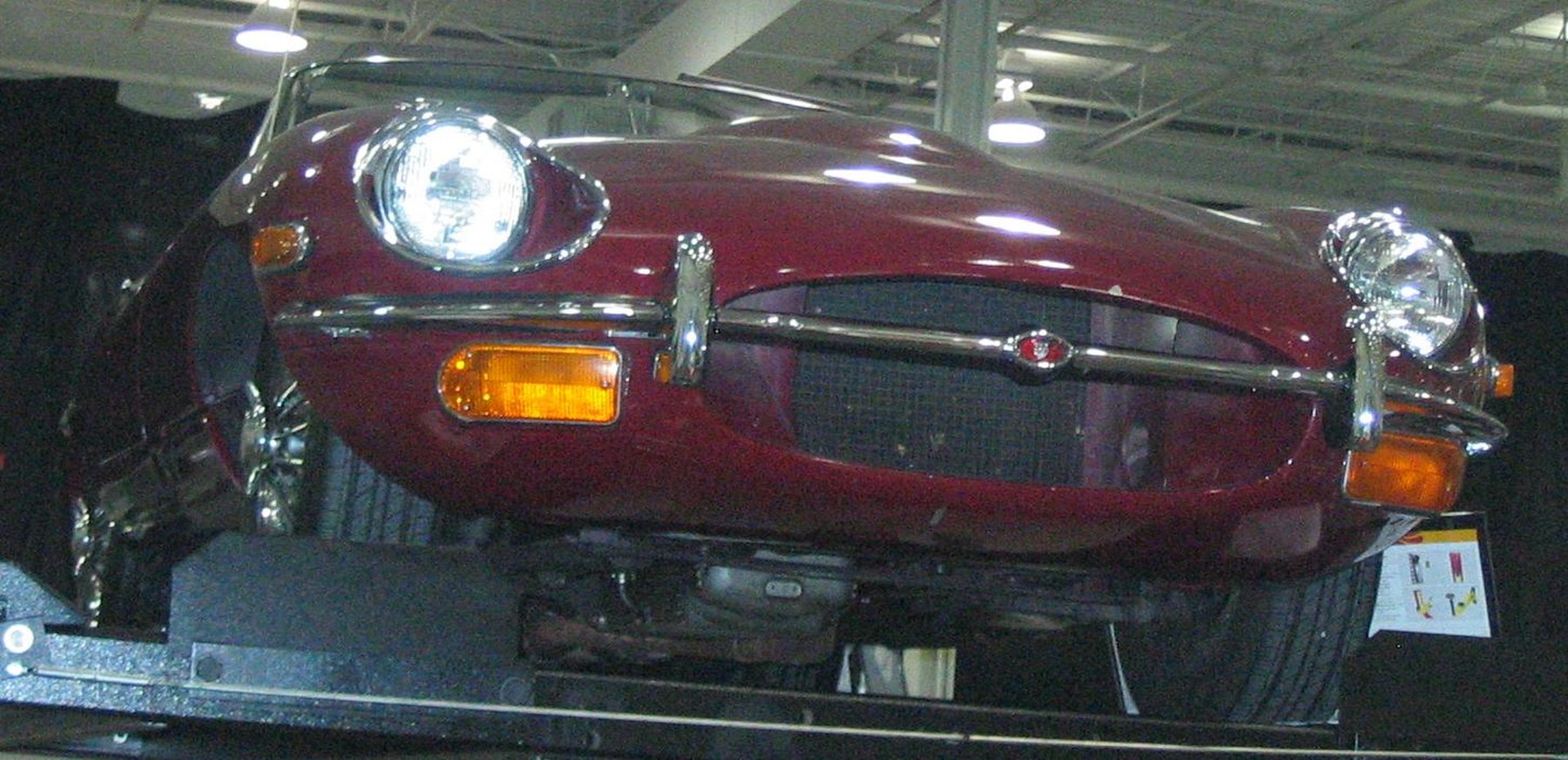
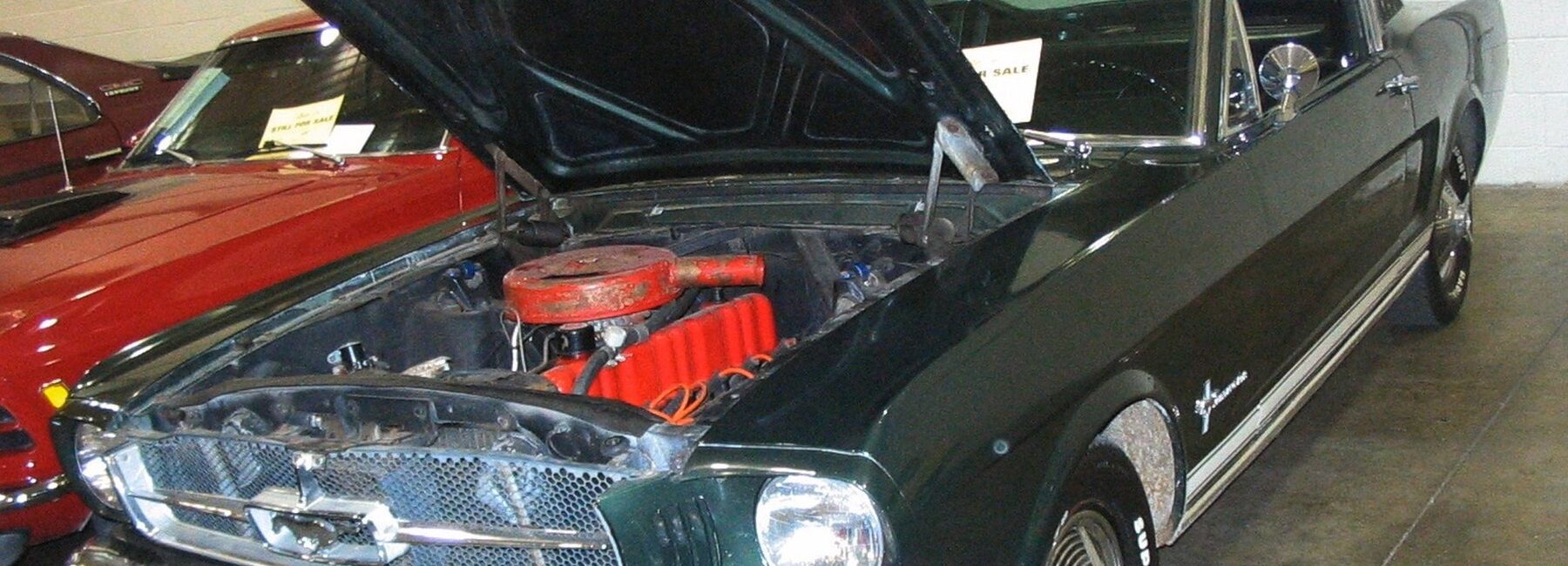
A public sale or one conducted through a professional intermediary does not eliminate the tax: it may change the person responsible for the declaration. Photo: Bull-Doser, Wikimedia Commons, public domain.
Who pays and who declares?
The tax is borne by the seller. When an intermediary fiscally established in France participates in the transaction, or when the buyer is a VAT-registered entity established in France under the prescribed conditions, this party may be responsible for the payment. In a direct sale between private individuals without an intermediary, the seller must complete the procedure themselves.
The 2091-SD declaration and payment must in principle be submitted within the month following the sale. Before an auction or consignment sale, request in writing who calculates, collects and remits the tax: the hammer price, commissions and the net amount received must not be confused.
Option 2: tax on the actual capital gain
Article 150 VL allows the seller to waive the flat-rate tax and opt for the general regime of capital gains on movable property. It is necessary to be able to establish conclusively:
- the date of acquisition and the price paid;
- or ownership of at least 22 years.
The calculation starts from the difference between the sale price and the purchase price. With supporting documents, article 150 VB notably allows the acquisition price to be increased by costs related to the purchase and expenses incurred for the restoration and repair of the movable property. Therefore, it is essential to keep itemised invoices, proof of payment and a clear link between each expense and the car.
The gross capital gain is then reduced by 5% for each full year of ownership beyond the second. The allowance reaches 100% after 22 full years of ownership.
What rate in 2026?
The income tax applicable to the net capital gain is 19%. Since 1 January 2026, the CSG rate on investment income referred to in article L. 136-6 of the Social Security Code has been increased, which raises the standard social contributions to 18,6% in the relevant cases. The combined reference rate is therefore 37,6% in 2026 : 19% income tax and 18,6% social contributions.
Older pages indicating 36,2% still add 19% and the former social rate of 17,2%. As the 2092 form available online and some notices have not all been updated at the same pace, have the amount payable for a 2026 sale confirmed by the tax collection service.
Comparative example: flat-rate or actual capital gain?
Suppose a car sold for 80 000 euros, purchased for 50 000 euros and held for 10 full years. Without other expenses considered:
- gross capital gain: 80 000 − 50 000 = 30 000 euros;
- years entitling to allowance: 8 years beyond the second;
- allowance: 8 × 5 % = 40 %;
- net capital gain: 30 000 × 60 % = 18 000 euros;
- indicative taxation at 37,6 %: 6 768 euros.
In this example, the flat-rate tax of 5 200 euros is lower. But if the justified purchase price had been 65 000 euros, the net capital gain after the same allowance would only be 9 000 euros and the indicative taxation 3 384 euros: the actual regime would become more favourable.
You must compare the two calculations before submitting the declaration. The option for the actual regime relies on a convincing file, not on an oral estimate of the purchase price.
Old purchase, inheritance or donation: which value to retain?
For a purchased car, the reference is the price actually paid as shown on the deed, invoice and payment. For a vehicle received by inheritance or donation, article 150 VB retains the value used to calculate transfer duties. Failing that, the real market value on the date of entry into the estate must be established by a detailed and estimated declaration.
The date of entry into the estate also determines the starting point of the holding period. A serious estimate during an inheritance can therefore have a major effect on a subsequent sale. Find our guide on the costs of a classic car during an inheritance and involve an auctioneer, a car expert or a competent professional when the value is significant.
A simple price guide printed several years after the transfer does not replace the declared value nor the supporting documents of the time. In the case of joint inheritance, also specify who sells, in what proportions and who declares.
Do restoration invoices reduce the capital gain?
They can increase the purchase price under the actual regime when they are costs paid for the restoration and repair of the movable asset, provided that supporting documents are available. Prepare:
- detailed invoices in the owner’s name;
- proofs of payment;
- photographs before, during and after work;
- serial numbers or references linking the parts to the vehicle;
- expertise file and ownership history.
Personal labour time, an invoice without proof of payment or a batch of parts not attributable to the car is much harder to justify. Our article on the historical file of a classic car details the documents to keep.
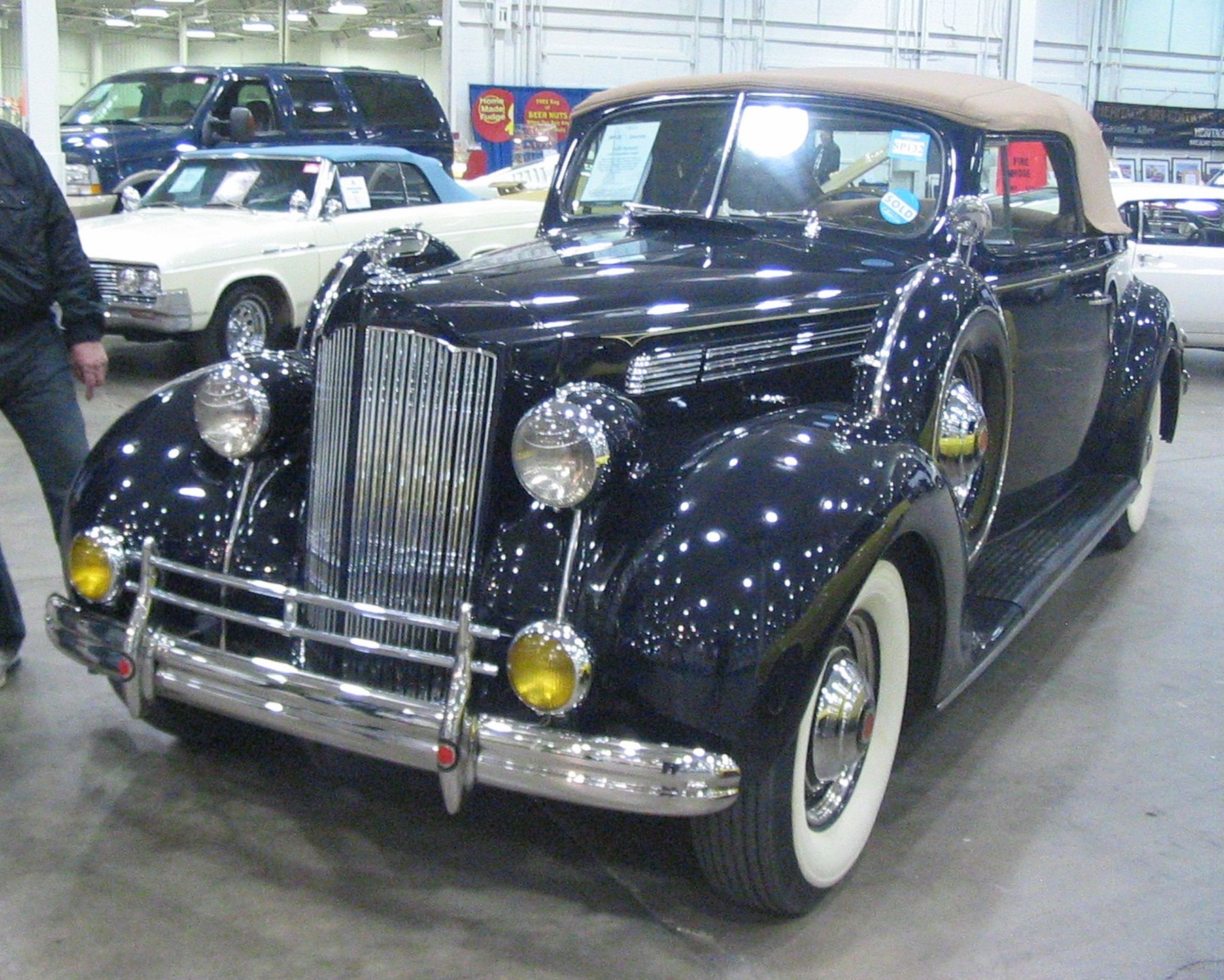
Invoices, history and purchase value can change the most advantageous tax regime. Photo: Bull-Doser,Wikimedia Commons, public domain.
Form 2091 or 2092: the step-by-step procedure
If you choose the flat-rate tax
- confirm that the vehicle indeed falls under the tax category of collectible items;
- verify that the sale price exceeds 5 000 euros;
- identify the person responsible for filing in the presence of an intermediary;
- complete form 2091-SD;
- submit the declaration and pay within the month of the sale.
If you opt for the actual capital gain
- gather proof of the date and purchase price, or proof of ownership for at least 22 years;
- calculate the sale price, the purchase price increased by justified expenses, and the gross capital gain;
- apply a 5% allowance per full year beyond the second;
- complete form 2092-SD;
- submit the declaration within the month and pay any applicable tax.
Even when the allowance leads to a full exemption after 22 years, the BOFiP indicates that form 2092 must be filed. Therefore, do not conclude “zero tax, zero paperwork.”
Documents to gather before putting the car up for sale
- registration certificate and, if applicable, mention of collectible vehicle;
- purchase invoice, sales contract or auction receipt;
- bank statement or other proof of payment;
- inheritance declaration or deed of donation if the vehicle was transferred;
- restoration invoices, repair bills and acquisition costs;
- dated appraisal and photographic file;
- proof of the holding period;
- draft mandate if an intermediary is involved;
- simulation of the two regimes and written confirmation from the person who will submit the declaration.
Before setting the price, you can request a free valuation of your car. A documented market value helps with negotiation and preparing the file, but it neither replaces the fiscal acquisition price nor the declaration.
Costly mistakes
- believing that any car over 30 years old is automatically taxable as a collector’s item;
- calculating 6,5 % on the capital gain alone instead of on the total sale price;
- choosing the actual regime without sufficient proof of the purchase price and date;
- forgetting restoration invoices which can increase the acquisition price;
- still automatically withholding 36,2 % for a sale made in 2026;
- waiting for the annual income tax return when the filing must be done within the month of the sale;
- assuming that an auction house or consignment shop necessarily takes care of everything without verifying;
- confusing an occasional patrimonial sale with a habitual buying and selling activity.
If you are preparing a sale, also consult the procedure to sell your car with Plethore Cars and have the fiscal clauses of the mandate reviewed when the price is high.
Frequently asked questions
Is a collector car sold for less than 5 000 euros taxable?
The sale of a collector’s item for a price less than or equal to 5 000 euros is generally exempt as provided. Nevertheless, keep the sales contract and documents proving the price.
Is the 6,5 % tax applied on the capital gain?
No. It corresponds to 6 % tax plus 0,5 % CRDS calculated on the sale price. The purchase price is not deducted.
Is it possible to choose the actual regime without a purchase invoice?
The option requires justifying the date and purchase price, unless you can prove ownership for at least 22 years. Without conclusive evidence, the flat-rate tax normally remains the applicable regime.
What happens after 22 years of ownership?
The allowance of 5% per year beyond the second results in a full exemption. However, you must exercise the option and submit form 2092-SD with proof of the duration of ownership.
What value should be used for an inherited car?
The value used for inheritance tax purposes serves as the acquisition price. Failing that, the actual market value at the time it entered the estate must be established.
Does a standard registration certificate avoid collection taxation?
Not necessarily. The tax qualification depends on the actual characteristics of the vehicle. A collection registration certificate is sufficient to identify it as a collector vehicle for this regime, but the absence of such a mention does not automatically exclude the qualification.
Which form must be submitted?
Form 2091-SD is used for the flat-rate tax; form 2092-SD formalises the option for the general capital gains regime. Submission usually takes place within one month of the sale.
Official sources
- BOFiP — scope of the flat-rate tax and definition of collector vehicles: qualification, taxable persons and distinction from an ordinary car.
- Ministry of the Economy — taxation of the sale of precious objects: threshold of 5 000 euros, rate of 6% and CRDS of 0,5%, deadlines and forms.
- General Tax Code, article 150 VK: rate, liable party and enforceability of the flat-rate tax.
- General Tax Code, article 150 VL: conditions for the option for the actual regime.
- General Tax Code, article 150 VB: acquisition price and restoration costs.
- General Tax Code, article 150 VC: allowance of 5% per year of ownership beyond the second.
- BOFiP — option for the common law regime : supporting documents, 2092 form and one-month deadline.
- Impots.gouv.fr — 2092-SD form : official option declaration.
- Social Security Code, article L. 136-8 : applicable CSG rate on investment income in 2026.