To sell a classic Bentley at the right price, you must first precisely identify its version, document its history, and have any potentially concerning repairs appraised.A flattering advertisement cannot compensate for an incorrectly recorded chassis number, incomplete maintenance, or an imprecise presentation. For these complex cars, sometimes produced in limited numbers, the quality of the documentation can weigh almost as much as the mileage.
This guide explains how to prepare a classic Bentley for sale, from the Mark VI through to the Turbo R, Continental R, Azure and Arnage, without confusing the listed price with the truly negotiable value.
The short answer: what method should you use to sell a classic Bentley?
- Precisely identify the carusing its chassis number or VIN, its bodywork, whether it is right- or left-hand drive, and its original specifications.
- Gather the evidencesuch as invoices, service book, MOT certificates, ownership history, bodywork repairs, photographic records and accessories.
- Have costly items examinedby a specialist familiar with the relevant generation.
- Estimate based on comparable completed salesadjusted according to condition, history and configuration.
- Choose the sales channelappropriate to the car’s rarity and the desired level of confidentiality.
For comprehensive support, the Plethore Cars consignment salecentralises the valuation, presentation, contact selection and negotiation.
1. Identifying the Bentley before quoting a price
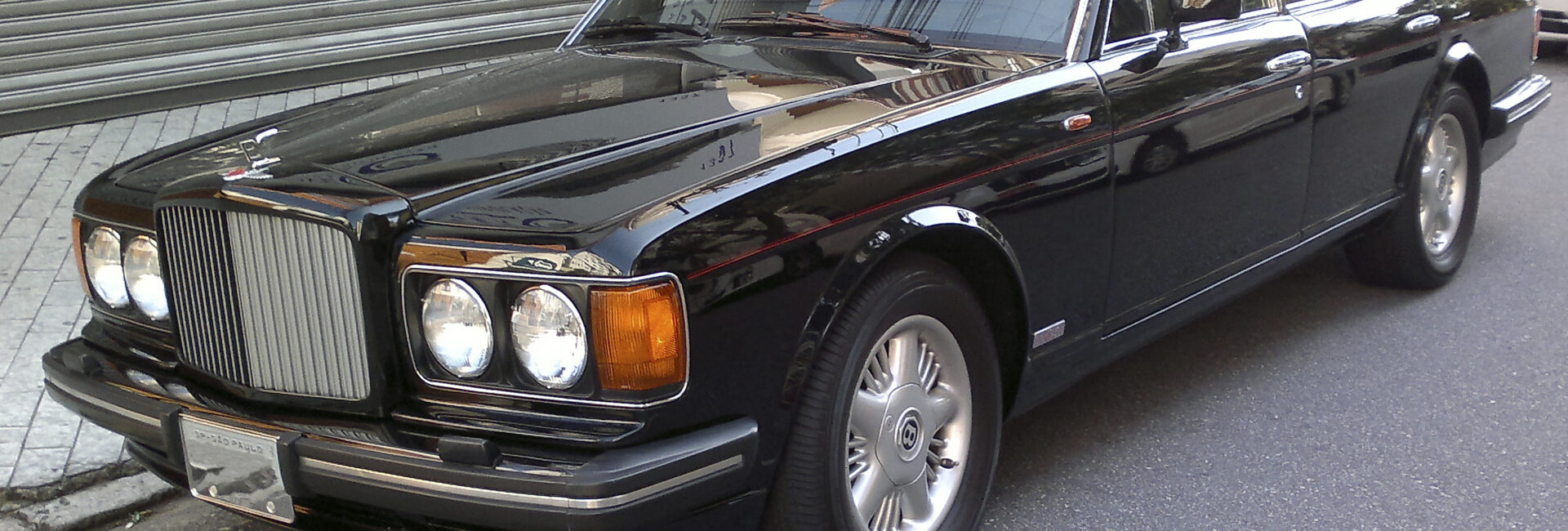
The model name alone is not enough. A pre-war Bentley may combine a chassis from the marque with bodywork crafted by an independent coachbuilder. Later, closely resembling variants may differ in wheelbase, engine, trim level, right- or left-hand drive, or a Mulliner modification.
Bentley states that a unique chassis number or VIN allows retrieval of information relating to the specification and year of manufacture. The official portal Bentley Heritagealso provides access to documentation and a parts catalogue for many historic models built at Crewe. These elements alone do not authenticate the entire car, but provide a solid basis for cross-checking the vehicle, its plates, documents and equipment.
Record without approximation:
- the chassis number or VIN and the registration number;
- the full designation of the model and its year of manufacture;
- the body type and, where applicable, its coachbuilder;
- the exterior colour, leathers, woodwork and options;
- the displayed mileage and elements allowing its progression to be tracked;
- modifications compared to the original delivery configuration.
To understand the differences between generations, consult our Bentley Turbo R guide and the history of the Bentley R-Type Continental.
2. Compile a file that reassures the buyer
For a classic Bentley, invoices often tell the story of the car better than a mileage figure. Organise the documents by date, then prepare a summary of major work: cooling, braking, suspension, hydraulics, gearbox, fuel system, upholstery, woodwork, corrosion and paint.
A useful file ideally includes:
- registration document and seller’s matching identity;
- service book, manuals, duplicate keys and tool kit if available;
- legible invoices with mileage and workshop identity;
- previous MOT certificates and expert reports;
- photos of restorations and previous condition;
- proof of provenance or known owners, without commercial exaggeration;
- a written list of defects and work still to be expected.
Our guide dedicated to the historical file of a classic car details the documents to keep and how to organise them.
3. Have the areas that could reduce the value checked
There is no single list of defects applicable to all Bentleys. An S-Type, a T1, a Turbo R and a Continental R do not have the same components nor the same risks. Before putting the car up for sale, request an inspection from a workshop that is thoroughly familiar with the specific model family.
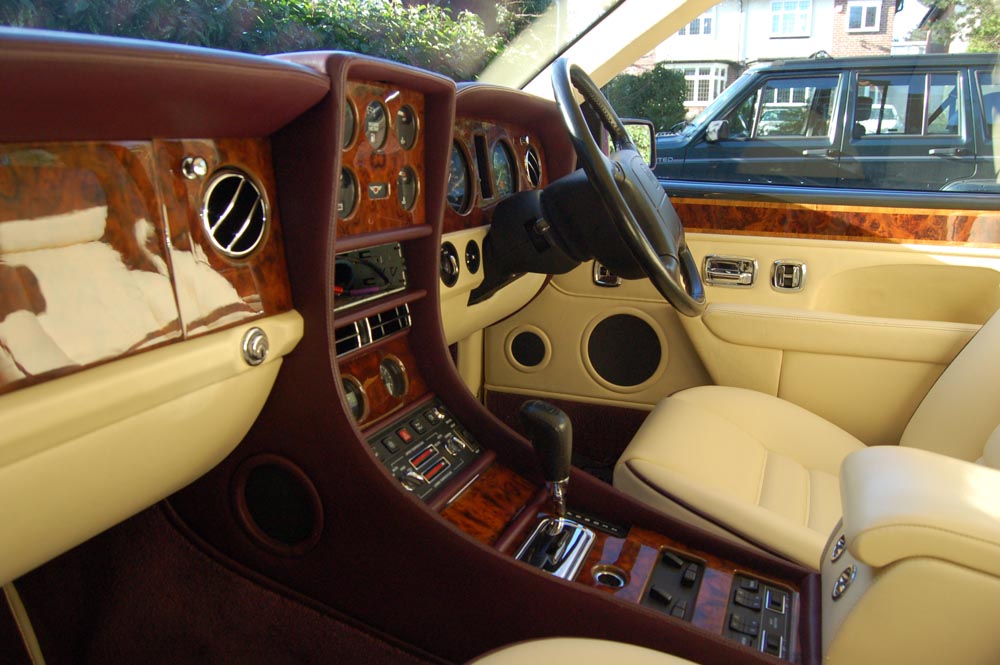
The inspection should notably cover structural and cosmetic corrosion, leaks, cooling system, hydraulic pressures and warning lights if the model is equipped with them, braking, running gear, air conditioning, electrical equipment, the condition of the leather and woodwork. A cold start test followed by one at normal operating temperature also helps document starting behaviour, the gearbox and road handling.
Do not conceal a known defect. Presenting a recent estimate is often more credible than promising an approximate cost. The buyer can then factor the expense into their offer, and the seller reduces the risk of a late renegotiation.
4. How to estimate a classic Bentley?
A serious valuation combines several data points: results of public sales, known private transactions, comparable advertisements, rarity of the version, condition and quality of documentation. Prices displayed online do not prove that a car has sold at that level.
Recent public results show significant variations depending on condition, documented expenses, mileage and provenance. At the same British sale in November 2025, Iconic Auctioneers published a result of 25 875 £ including fees for a Turbo R from 1996 accompanied by an extensive expense dossier, against 49 500 £ for a Continental R Mulliner Wide Body from 2001. This is not a valuation transferable to France, but an illustration of the gap between versions and documentation. A car that is immobilised or needs recommissioning calls for yet another interpretation. Results must be studied lot by lot, never summarised by an isolated average.
Factors that generally support value are:
- a sought-after and verifiable configuration;
- a continuous, coherent and well-invoiced history;
- a sound body and a preserved interior;
- major work recently carried out by a recognised specialist;
- the absence of modifications difficult to reverse;
- an honest presentation, with visible and explained defects.
Conversely, a long period of inactivity, poorly documented repainting, inconsistent numbers, an interior redone without respect for the specification or undiagnosed hydraulic warnings widen the negotiation margin.
5. Private sale, mandate or auction: which to choose?
Selling yourself
Direct sale gives the owner control over the price and communications. However, it requires filtering contacts, answering technical questions, organising viewings, securing payment and managing the vehicle presentation. It is better suited to a well-documented car whose market and price are relatively clear.
Entrusting a mandate
A mandate is relevant when it is necessary to build a dossier, produce photographs, qualify buyers and negotiate with a national or international clientele. It also helps limit unnecessary visits and present the car in a coherent setting. The owner remains informed of offers and market feedback.
Going through an auction
Auctions can be suitable for a rare Bentley, with strong provenance or likely to attract multiple bidders. However, they involve a schedule, fees and uncertainty of outcome. Before choosing, ask for the precise conditions, reserve amount, commissions and consequences of an unsold lot. Plethore Cars also offers a service of car auction sale.
6. Preparing the photos and the advertisement
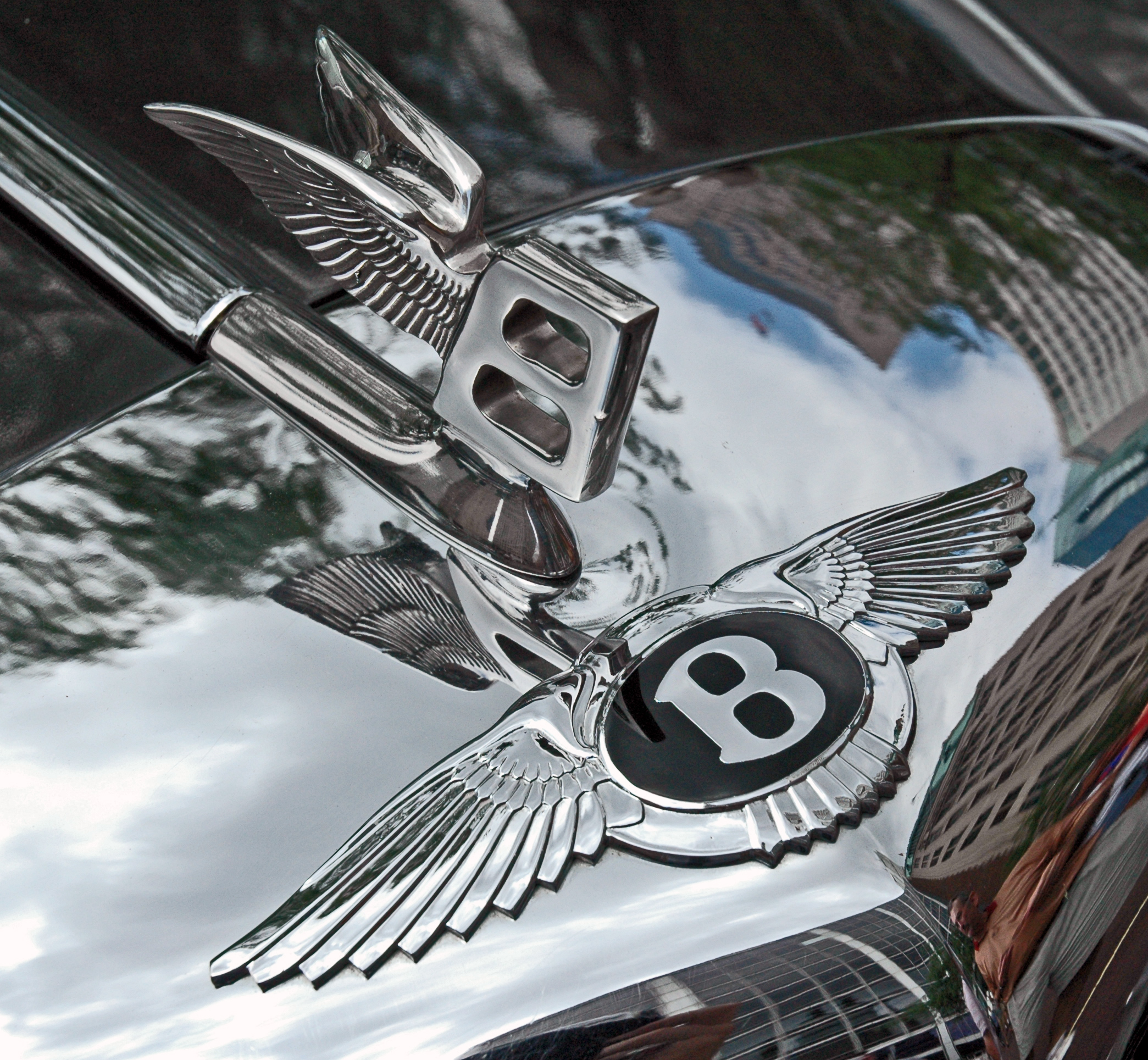
Photograph the car clean, in natural light, with a neutral background. Show all four angles, each side, the roof, the wheels, the sills, the engine compartment, the boot, the underside if possible, the interior, the woodwork and any significant defects. Mask personal information appearing on documents and, if necessary, the licence plate before publication.
An effective advertisement gives the exact version, year, mileage, provenance, date of last service, recent work and work to be expected. Avoid phrases such as “showroom condition” without an expert report. Our article on photographing a classic car for sale provides a checklist of views not to forget.
7. Which administrative documents to provide in France?
According to Service-Public.fr, the seller must notably have the registration certificate in their name, provide a certificate of administrative status dated less than fifteen days, and complete with the buyer the Cerfa n° 15776 transfer certificate. When the vehicle is subject to technical inspection, the required report must be less than six months old, or less than two months if a re-inspection has been prescribed.
HistoVec also allows free sharing of certain administrative data and available history. Rules may vary depending on age, collector status, vehicle type and sale destination: always check the exact situation on the official website at the time of the transaction.
FAQ on selling a classic Bentley
Should a Bentley be restored before selling?
Not necessarily. An expensive restoration is not always recouped in the price. Start with a diagnosis, estimate the defects and compare the probable price as-is to that of a restored car. Well-preserved originality can also be sought after.
Is low mileage enough to increase the value?
No. The mileage must be credible and documented. On a classic Bentley, maintenance, absence of prolonged immobilisation, condition of the bodywork and costly systems can count more than a low odometer reading.
How to prove the exact version of a Bentley?
Start with the chassis number or VIN, the registration document, manufacturer plates and available archives. Then compare the bodywork, equipment and invoices. For a rare model, consult a specialist or the relevant heritage service.
Does a classic registration certificate increase the value?
It does not by itself create added value. Buyers mainly look at authenticity, condition, history and administrative compliance. Its interest depends on the use and situation of the vehicle.
What is the best time to sell?
The best time is when the car is running, maintained, well documented and properly presented. The season can influence attention, especially for a convertible, but it does not compensate for an incomplete file.
In conclusion
Selling a classic Bentley requires a more refined approach than simply comparing listings. Precise identification, history, mechanical inspection, transparency, and the choice of sales channel determine the quality of the transaction. To gain an initial understanding of the market and define a sales strategy, you canentrust your Bentley to Plethore Cars under mandate.
Main sources:Bentley Motors, Bentley Heritage portal and technical FAQ; Service-Public.fr, “Selling or donating your vehicle”, verified on 23 January 2026; Iconic Auctioneers, results of the NEC Classic Motor Show sale on 8 November 2025. Accessed on 12 November 2026.