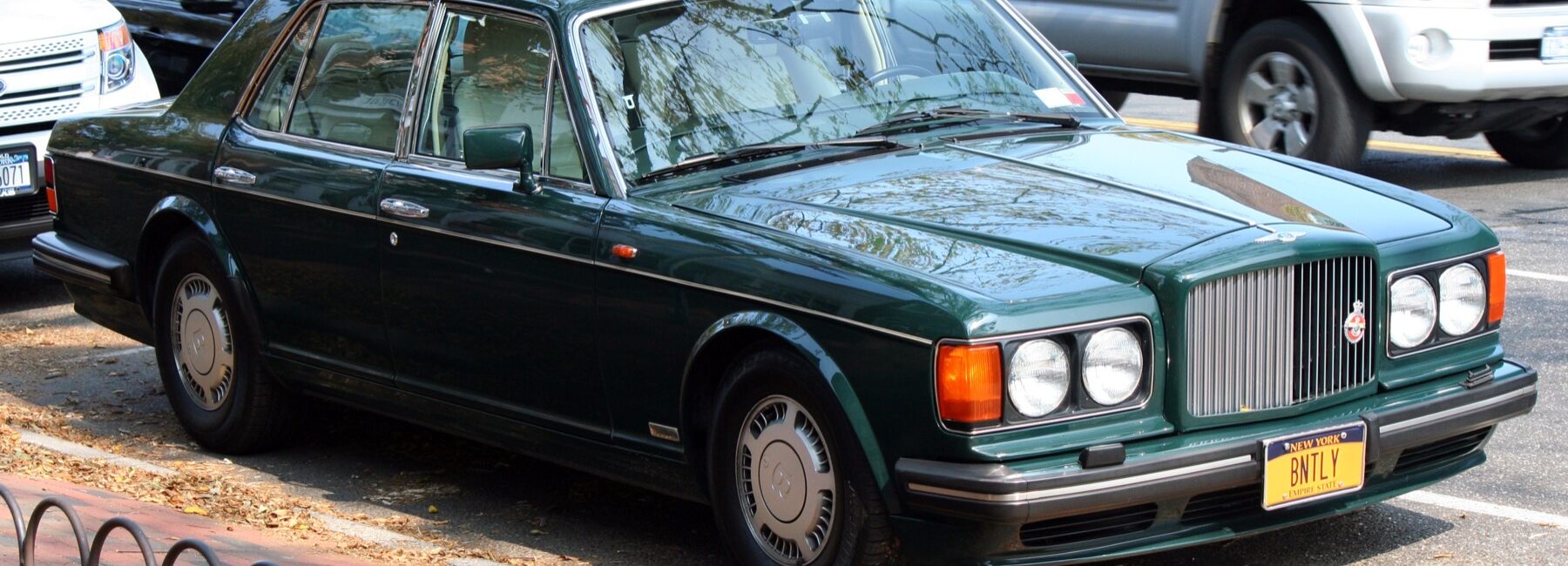
The Bentley Turbo R is a classic large saloon that is as appealing for its accessible price as it is formidable due to its refurbishment costs.Its turbocharged 8 6,75 litre V engine and automatic gearbox are known for their durability when properly maintained, but the hydraulics, corrosion, cooling system, suspension, and equipment can turn a cheap example into a very costly project. The buying rule is simple: prioritise the paperwork, condition, and specialist knowledge over mileage or paintwork.
In November 2026, advertisements and auction results show a very fragmented market. Ordinary cars still trade at levels close to modern used saloons, while rare variants, low-mileage examples, and exceptional histories can command significantly higher prices. This guide distinguishes the versions, the listed prices from the realised prices, and the truly useful checks before purchase.
Why is the Bentley Turbo R important?
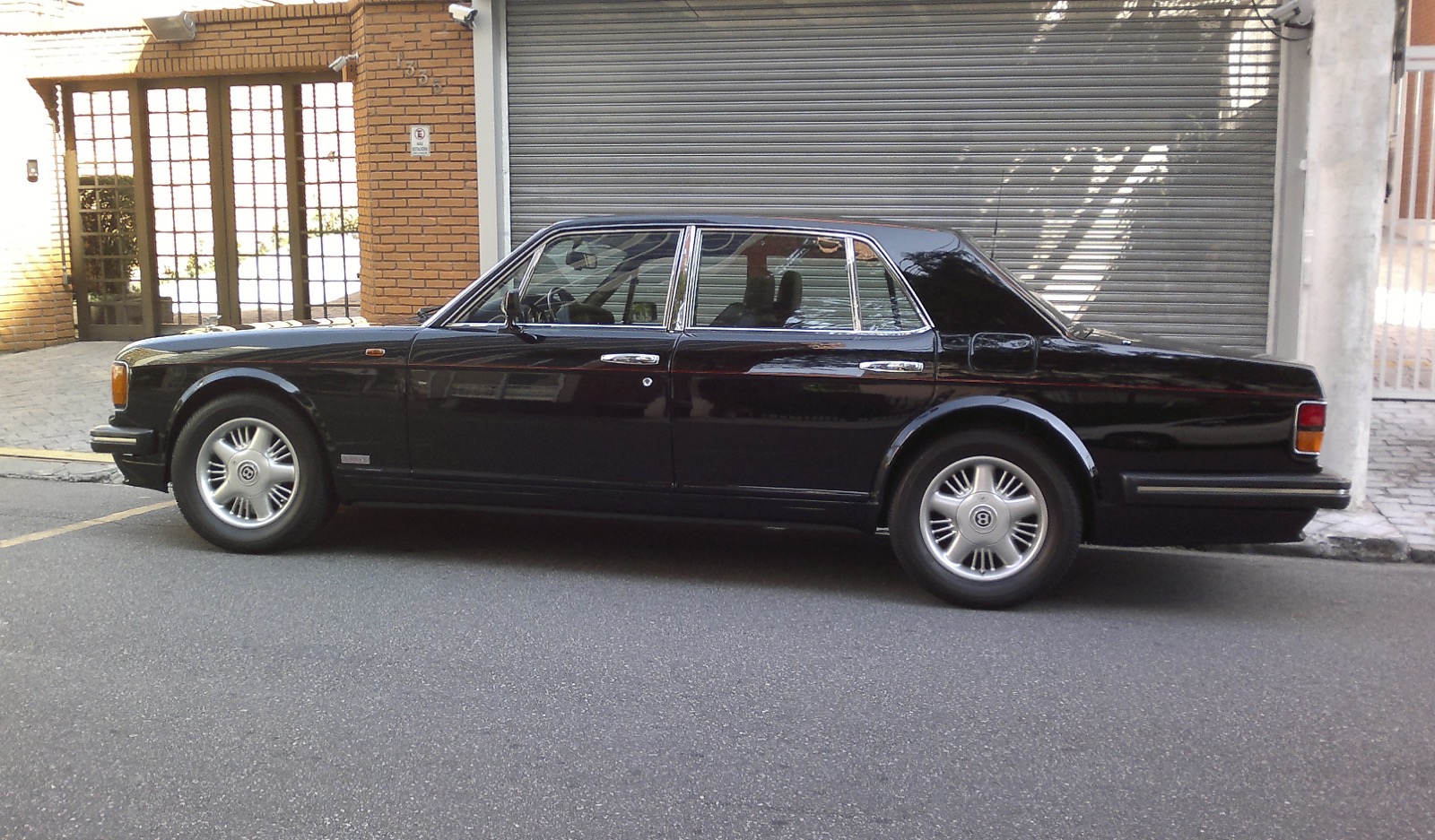
Bentley introduced the Turbo R, launched in 1985, as the successor to the Mulsanne Turbo. The letter “R” stands forroadholding, meaning handling. The manufacturer emphasised recalibrated suspension, wider tyres, and aluminium wheels: the aim was no longer just to offer a very fast limousine in a straight line, but to make its behaviour more controlled.
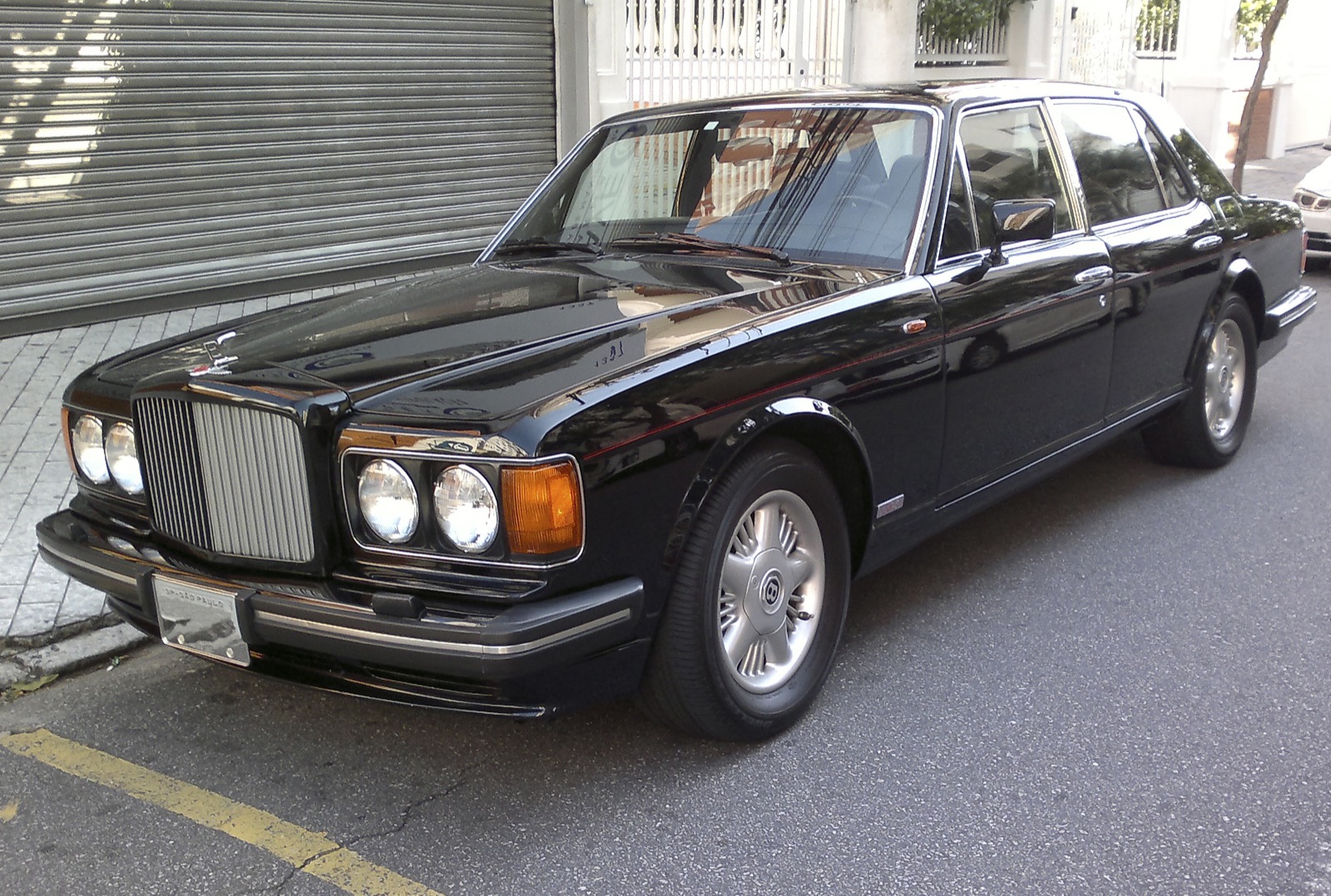
The car retains Crewe’s traditional architecture: an imposing four-door body, an interior upholstered in leather and wood veneers, and the 6,75 litre supercharged Bentley V8 engine. Bentley did not always publish detailed power figures at the time; estimates therefore vary depending on the year and injection systems. It is better to identify the exact version than to apply a single figure to the entire production run.
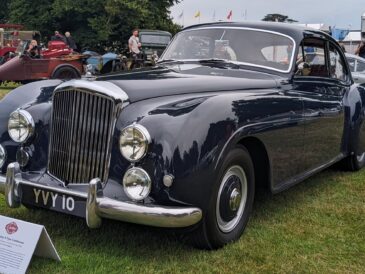
The Turbo R notably marks Bentley’s visible return to a distinct sporty identity. It paves the way for the Continental R of 1991, then for modern models that combine luxury and performance. To go further back in this story, our feature on the Bentley R-Type Continental explains how the brand had already defined high-speed grand touring in the 1950 years.
Turbo R, Turbo RL, Turbo S and Turbo RT: what are the differences?
The model’s long career requires looking at the year, wheelbase, and specification. Bentley indicates that injection arrived in 1987 to increase torque. The cars then evolved in stages, with different engine management systems and transmissions depending on the model year. The later years are therefore not simply better-equipped early series: their electronic complexity and parts availability differ.
| Version | Key points | Priority checks |
|---|---|---|
| Turbo R | Standard version, produced with several mechanical and aesthetic evolutions | Year, injection, gearbox and maintenance history |
| Turbo RL | Long wheelbase, more rear space | Body condition, rear equipment and specification conformity |
| Turbo S | A rarer series focused on performance | Authenticity, factory dossier and specific parts |
| Turbo RT / RT Mulliner | A late and more powerful evolution, highly sought after in certain configurations | Numbers, finish, modifications and provenance |
Do not pay a premium solely for the presence of a badge. Rare versions must be confirmed by chassis number, build data and invoices. A very sound standard Turbo R can be a better purchase than an incomplete or heavily modified prestigious variant.
What is the price of a Bentley Turbo R in 2026?
There is no single valuation. As of 7 November 2026, Car & Classic listed European adverts mainly around 17 500 to 31 800 euros, while its trend page grouped transactions widely varying according to condition and variant. These amounts are platform observations, not individual appraisals.
Recent UK sales compiled by Glenmarch confirm this spread: a Turbo R LWB from 1996 achieved 10 080 pounds at Brightwells in October 2026, while another LWB from the same year reached 15 587 pounds at Morris Leslie in September. Other cars remain unsold within their estimate range. Currency, right-hand drive, taxation, transport and condition make a mechanical conversion into a “French valuation” misleading.
A car listed 10 000 euros cheaper is not necessarily a bargain if it requires hydraulic, bodywork, air conditioning and woodwork repairs. Conversely, a more expensive car with continuous history, recent documented work and an independent inspection may cost less over the first few years.
Reliability: what should be checked before purchase?
The V8, the turbo and cooling system
The V8 and automatic gearbox have a reputation for robustness, but depend on regular maintenance. Start the car cold, watch for smoke, timing noises, leaks and temperature rise. The viscous fan coupling, hoses, radiator and turbo sealing deserve close examination. A car that does not warm up after ten minutes at idle is not necessarily validated: the test must reproduce a real load.
Hydraulics and brakes
The hydraulic system powers notably the braking and, depending on versions, the rear height correction. On start-up, pressure warning lights should extinguish normally. A slow, hard or sagging rear suspension, leaks or unclear accumulator history should lead to specialist diagnosis. Replacing parts at random is costly and does not necessarily address the cause.
Corrosion and bodywork
Inspect the sills, wheel arches, jacking points, windscreen surrounds, bumpers, underside and edges of openings. Caradisiac notably reports bubbles around handles and badges as well as possible corrosion of aluminium elements. A glossy paint may mask repairs. Thickness measurement, inspection on a lift and photos prior to work are more informative than a simple walk-around.
Electrical system, leather and woodwork
Test every function: seats, windows, mirrors, locking, air conditioning, instruments, lighting and radio. Individual faults do not condemn the car, but accumulation quickly becomes costly. Also check for damp under carpets, headlining, stitching, cracked veneers and poorly matched leather repairs.
The maintenance record counts more than low mileage
A regularly used Turbo R maintained by a specialist may be preferable to a car left unused for years. Request the service book, invoices, previous inspections, part references and fluid change dates. Cross-check mileage with documents and look for periods without records.
A pre-purchase inspection must include an extended test drive, a lift inspection, readings of available pressures and temperatures, as well as a check of the hydraulic system. Our guide on the expertise before purchasing a classic car details the method and limitations of a simple visual check.
Which version to choose?
For driving, a standard Turbo R in excellent condition, with a network of identified specialists, is often the most rational choice. The Turbo RL suits those who prioritise rear seating, but its wheelbase and weight do not fit all garages or uses. The Turbo S, Turbo RT and Mulliner configurations appeal to collectors, provided their authenticity and maintenance costs are documented.
The best example is therefore not always the rarest. First set an annual maintenance budget and a reserve for refurbishment, then choose the generation compatible with your use and the skills available near you.
Buying or selling a Bentley Turbo R methodically
A buyer must compare truly similar cars: left- or right-hand drive, wheelbase, year, injection system, gearbox, documented mileage and recent work. The selection of classic cars for sale helps to position the Turbo R among other prestige models, without replacing an inspection of the chosen vehicle.
For an owner, the value depends less on a generic valuation than on the presentation of the file. Before putting it up for sale, gather invoices, manuals, duplicate keys, photos of the underside and proof of hydraulic interventions. An valuation of your classic Bentley must then be based on recent comparables and the actual condition of the example.
Bentley Turbo R FAQ
What does the R in Turbo R stand for?
Bentley states that the R stands for roadholding, referring to the improved handling compared to the Mulsanne Turbo.
Is the Bentley Turbo R reliable?
The powertrain can be very durable with consistent maintenance. Overall reliability however depends on the hydraulics, cooling, electrics, corrosion and regular use.
How much does a Bentley Turbo R cost?
In November 2026, observed listings and auctions cover a very wide range, often around several tens of thousands of euros or pounds for common versions. Condition, driving, variant and documentation prevent applying a single price.
Should you choose a low mileage car?
Not automatically. A little-used car can suffer from immobilisation and ageing seals. Documented mileage accompanied by regular maintenance is more telling.
Is the Turbo RL more sought after?
It appeals to those who value rear space and certain configurations are desirable, but the long wheelbase does not guarantee a higher value. Condition and history remain decisive.
Sources and date of verification
- Bentley Motors, History and Heritage: launch, meaning of the R and historical developments.
- Bentley Media, 40th Anniversary of first turbocharged Bentley: context of Bentley’s return to performance.
- Caradisiac, Bentley Turbo R guide: mechanical points, hydraulics, corrosion and equipment.
- Glenmarch, Bentley Turbo results: recent verified public sales.
- Car & Classic, Bentley Turbo R: adverts and market indicators consulted.
Data verified on 7 November 2026. Review prices and adverts in six months; historical and technical facts must be cross-checked with the chassis and documentation of each car.