Bentley T1 or Rolls-Royce Silver Shadow: which should you buy? If the two cars are in comparable condition, the T1 will appeal to collectors seeking rarity and discretion, while the Silver Shadow offers a wider choice and makes pre-purchase comparisons easier. The badge must never take priority over the maintenance record, however: they share most of their structure, their V8 and their costly hydraulic system. A sound example maintained by a specialist and used regularly is a better proposition than a cheaper car that has stood idle for years.
That close relationship explains a recurring question among enthusiasts of large British saloons: should you buy the much rarer Bentley or the far better-known Rolls-Royce? This comparison draws on manufacturer archives, workshop documentation and observable market results checked on 23 November 2026.
Quick verdict
- Choose the Bentley T1 for its very limited production, more restrained grille and connoisseur appeal.
- Choose the Silver Shadow for a wider supply, more price references and an instantly recognisable identity.
- Whichever you choose, require evidence of hydraulic maintenance or overhaul, a thorough corrosion inspection and both cold and fully warm test drives.
Bentley T1 and Silver Shadow: twins born in 1965
The Silver Shadow and Bentley T arrived in 1965. They marked a major break with tradition: for the first time in the modern history of both marques, unitary construction replaced the separate chassis. This made the cars lower, roomier and more rigid. Bentley confirms in its heritage material that the T-Series was its first monocoque motor car, while Rolls-Royce describes the Silver Shadow as one of the most technically significant models in its history.
Beneath the bodywork, the differences are slight. Both cars have independent suspension, four-wheel disc brakes, hydraulic self-levelling and the company’s own V8. Early examples used the 6.23-litre engine, enlarged to 6.75 litres from 1970. Their automatic transmissions and driving character are also very similar: abundant torque, quietness and effortless progress rather than overt sporting behaviour.
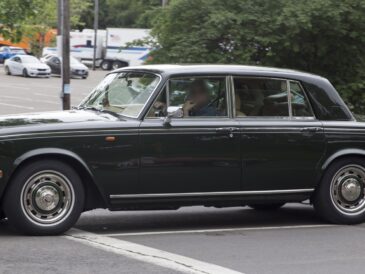
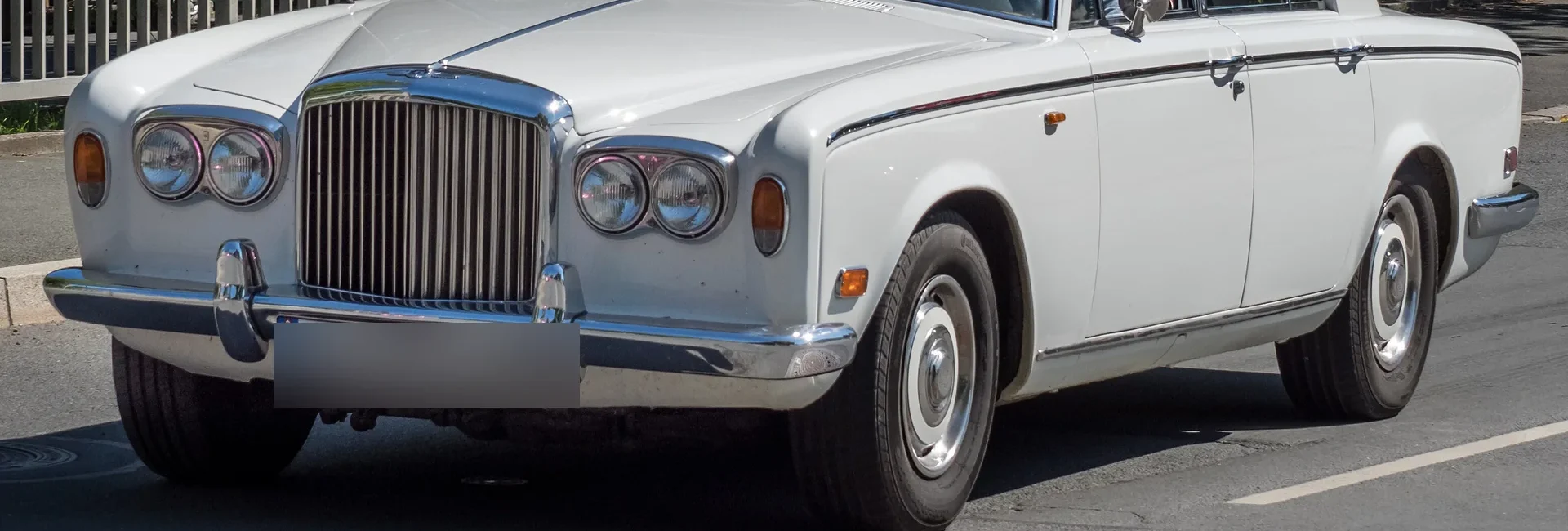
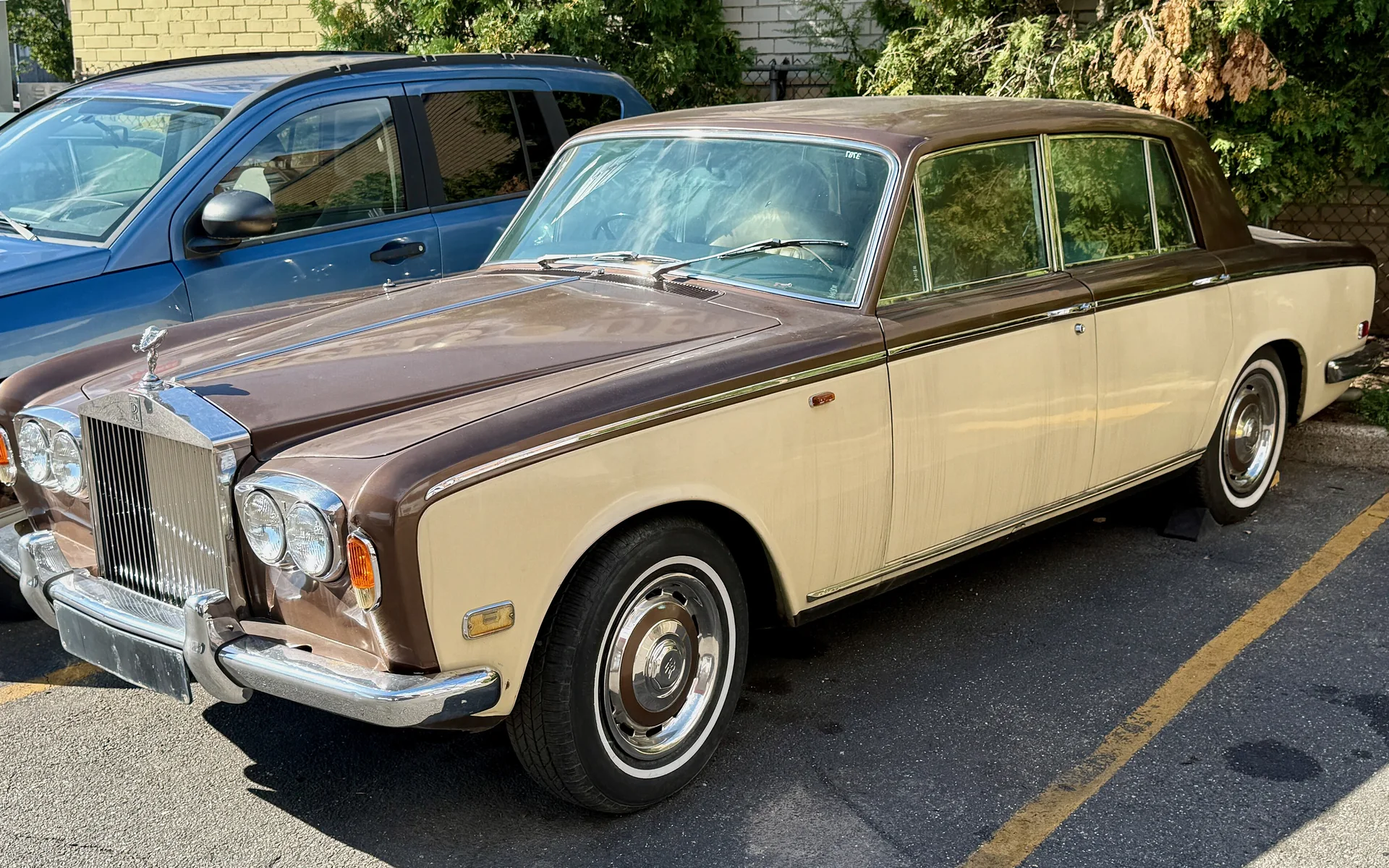
The distinction is mainly visual. The Bentley has a lower, rounded grille, the Flying B, different wheel trims and its own detailing; the Rolls-Royce retains the Pantheon grille and Spirit of Ecstasy. There are differences in interior presentation, but they do not transform the experience. Choosing between them is therefore less about two different mechanical packages than two different identities.
Why is the Bentley T1 so much rarer?
The Silver Shadow was a considerable success for Crewe. Rolls-Royce cites approximately 37,000 cars across the Silver Shadow and Corniche family. Bentley records 2,420 cars for the entire T-Series between 1965 and 1980. Figures vary depending on whether standard saloons, long-wheelbase cars and derivatives are separated, so the safest conclusion is straightforward: the Bentley accounted for only a small fraction of its cousin’s production.
Rarity does not guarantee a higher value. The classic-car market rewards demand, condition and traceable history as much as production volume. The Silver Shadow has a name that is more immediately recognised; the T1 appeals to a narrower audience, often already familiar with Bentley. A neglected T1 does not become desirable merely because few were built.
T1 or T2, Silver Shadow I or II: which generation is best?
The first-series cars, built until 1976, retain the purest design. They are often chosen for their charm, slim bumpers and distinctly 1960s atmosphere. Purists may favour the early 6.23-litre cars; the 6.75-litre version provides more torque and accounts for most examples from the following decade.
The Bentley T2 and Rolls-Royce Silver Shadow II arrived in 1977. Changes included rack-and-pinion steering, suspension revisions, a front spoiler and redesigned bumpers. On the road, the more precise steering may reassure a driver accustomed to modern cars. The trade-off is a design that loses some of the original’s delicacy.
The best choice depends on the intended use. For shows and a heritage-focused collection, a well-preserved first-series car has particular charm. For frequent use on varied roads, a properly maintained T2 or Shadow II may feel easier to place. In every case, the individual car’s history matters more than its year.
The critical issue: hydraulic brakes and suspension
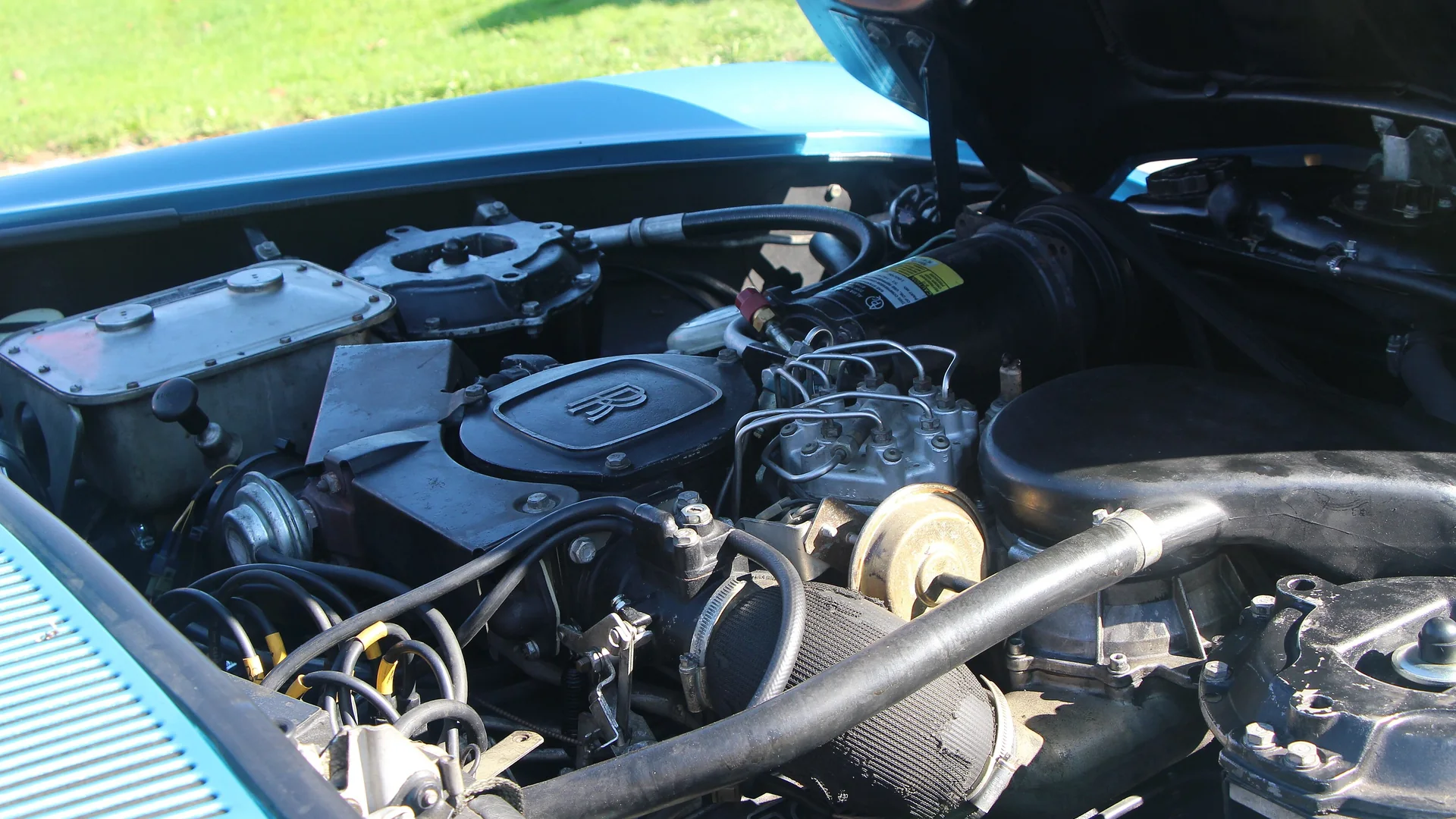
The high-pressure hydraulic system is both an engineering achievement and the main financial risk. It powers the assisted braking and self-levelling suspension. Accumulators, spheres, pumps, hoses, valves and callipers must work together. A car that still stops is not necessarily a car with a healthy system.
Before buying, ask for detailed invoices showing dates, mileages and part references. Check that the correct fluid for the relevant generation has been used; the wrong product can damage seals. On a test drive, the car should not sag abnormally, pull under braking or have an inconsistent pedal. An extinguished warning light is not an expert assessment: ask a workshop that genuinely knows these models to check the pressures and condition of both circuits.
A serious seller should accept an independent inspection. Refusal to allow a hydraulic check on a long-stored car or one without invoices is a warning sign. The apparent saving in the purchase price can disappear into a comprehensive overhaul.
Corrosion, woodwork and bodywork: the other expensive checks
Mechanical condition is not the only potential expense. Inspect the sills, jacking points, wheelarches, floors, windscreen and rear-window surrounds, door bottoms and suspension mountings. Thick paint and freshly protected undersides deserve careful examination: they may be sound, but they can also conceal an older repair.
Panel gaps should be consistent. Large body panels, chrome and model-specific trim are expensive to restore properly. Inside, inspect the veneers, leather, carpets, rear picnic tables, electric window motors and air conditioning. Even, honest patina is often preferable to a mediocre partial restoration.
The V8 itself is robust when properly maintained. Check the cooling system, leaks, oil pressure, cold-start noises and starting quality. The automatic gearbox should engage without excessive delay and change gear without pronounced jolts.
Prices in 2026: why adverts are not enough
Recent results reveal a highly dispersed market. Usable Bentley T1s have sold around the mid-teens in thousands of euros, while better-presented, well-documented cars or examples offered by specialists are advertised for appreciably more. The Silver Shadow covers an equally broad range, from little-used projects to restored cars. One advert at €15,000 and another at €40,000 do not necessarily describe the same mechanical reality.
To judge value, compare the generation, left- or right-hand drive, history, recent hydraulic work, corrosion and cosmetic quality. Always distinguish asking prices from completed sales. Auction databases are useful, but each result must be considered alongside the car’s file and the buyer’s premium.
If you already own a classic Bentley, our guide explains how to prepare its valuation and documentation. To place another Crewe model in context, read our Bentley Turbo R buying guide. Rolls-Royce owners can also explore the history of the Rolls-Royce 20/25 and our detailed Rolls-Royce Corniche guide.
Which model suits your priorities?
For rarity and discretion: Bentley T1
The T1 suits a collector who appreciates cars recognised by enthusiasts rather than the wider public. Its less imposing grille and lower production give it particular charm, and it may provoke more conversation at a gathering. You must accept a limited supply, however: finding the right colour, steering position and, above all, the right history can take time.
For iconic presence and greater choice: Rolls-Royce Silver Shadow
The Silver Shadow is easier to recognise, compare and generally find. That relative abundance allows a buyer to reject a poor history. It also provides the Rolls-Royce image in one of its most recognisable forms. The trade-off is lower rarity, although outstanding examples and certain specifications remain sought after.
For dependable use: choose the best car, regardless of badge
A rational buyer should choose the best example available within budget. A complete history, properly maintained hydraulic circuits, a sound body and a transparent owner matter more than an attractive colour combination. Keep a financial reserve after purchase and identify a specialist before committing.
Pre-purchase checklist
- Identify the chassis, year, series and steering position precisely.
- Check the history of the brakes and hydraulic suspension.
- Arrange a cold start followed by a sufficiently long test drive at full operating temperature.
- Inspect for corrosion on a lift rather than checking only visible areas.
- Test the air conditioning, windows, seats, lighting and accessories.
- Compare completed sales, not just current adverts.
- Obtain a specialist estimate for required work before negotiating.
Looking for a classic British luxury car or comparing vehicles currently available? Browse the cars for sale on Plethore Cars. To establish the value of a particular example, you may also request a free valuation through our French service.
Frequently asked questions
Is the Bentley T1 simply a rebadged Silver Shadow?
They share their structure and most of their mechanical specification, but the Bentley has its own visual identity, including its grille, emblems and several trim details. “Rebadged” is therefore an oversimplification, even though the technical relationship is extremely close.
Is the Bentley T1 more valuable because it is rarer?
Not automatically. Rarity supports its appeal, but condition, documentation, demand and the cost of required work determine real value. An exceptional Silver Shadow can be worth more than an average T1.
Which version is easiest to drive?
The T2 and Silver Shadow II, introduced in 1977, gained rack-and-pinion steering and suspension revisions. Many drivers find them more precise. The earlier cars retain the purer styling, however.
What is the greatest risk when buying one?
Deferred hydraulic maintenance, often combined with corrosion and a long period of inactivity. A specialist pre-purchase inspection is essential even when the car appears to drive correctly.
Main sources
- Bentley Heritage — T-Series
- Rolls-Royce Motor Cars — Silver Shadow
- Rolls-Royce and Bentley — TSD 2476 workshop manual
- Flying Spares — Silver Shadow buying guide
- Classic.com — Bentley T1 listings and results
Data and links checked on 23 November 2026. The prices mentioned are market observations, not a contractual valuation. An independent inspection remains essential.