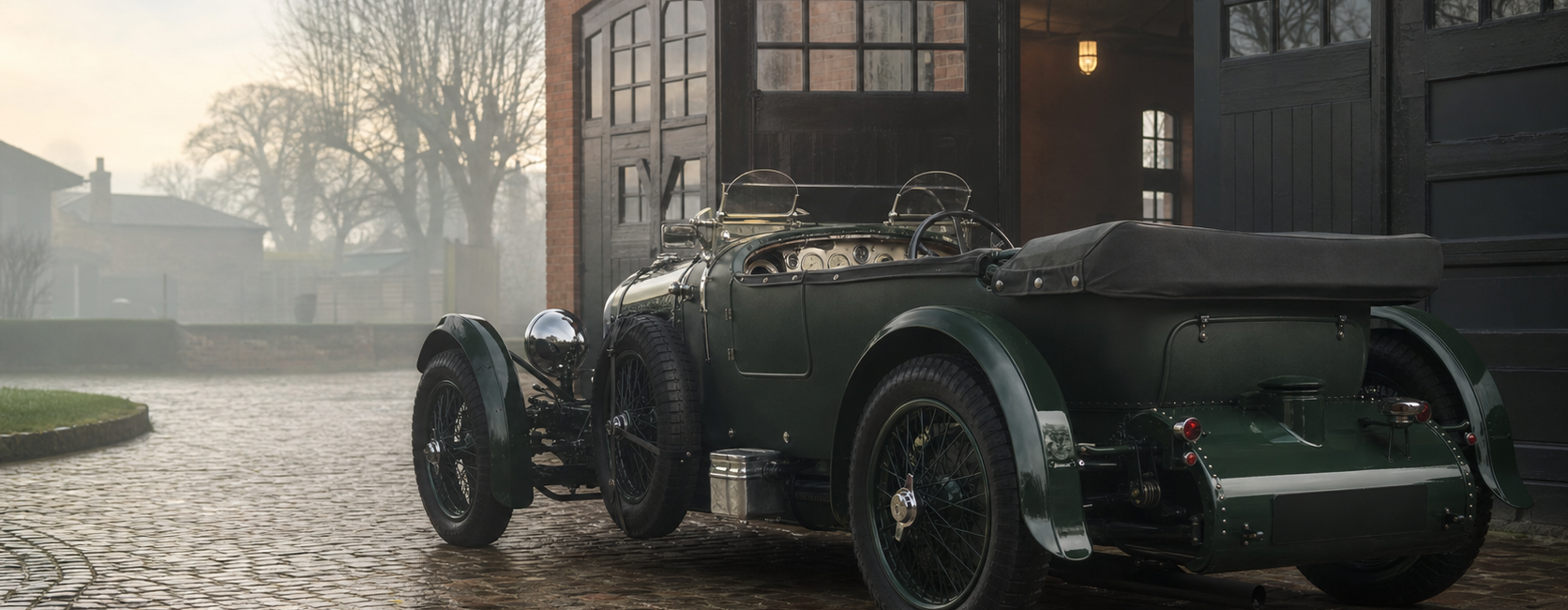
Short answer:a Bentley Speed Six Continuation is not a Speed Six built before the war. It is a modern car created by Mulliner in a series of 12 customer examples, based on archives, mechanics’ notes and reference cars. Before purchasing, you therefore need to verify two distinct histories: that of the model of 1929 and 1930, then that of the actual continuation car offered.
The quality of the reconstruction does not change its manufacturing date. A premium dossier must use the exact words, link each statement to Bentley and specify eligibility event by event.
Start by naming the car correctly
Ask the seller to write “Speed Six Continuation Series by Mulliner” in the description and commercial documents. Avoid ambiguous phrases such as “Speed Six 1930” when they might suggest a car assembled in the period. The historical reference year, the modern manufacturing year and the date of first registration must remain separate.
This distinction protects both buyer and seller. It also allows comparison of the example with the Bentleys available without mixing a contemporary offer from the marque and an exceptional continuation object.
Link the car number to the Mulliner order
The first file to examine comes from the manufacturer: order, assigned number, configuration, correspondences, receipt and delivered elements. Bentley states that the first modern customer example was completed in November 2024. This date documents the programme; it alone does not prove the identity of any other car.
Compare the numbers present on documentary elements and on the car. If a plate, engine reference or part bears a marking, ask for its exact role and written confirmation. Do not infer a racing provenance from a painted number or decoration.
Understand the historical references used
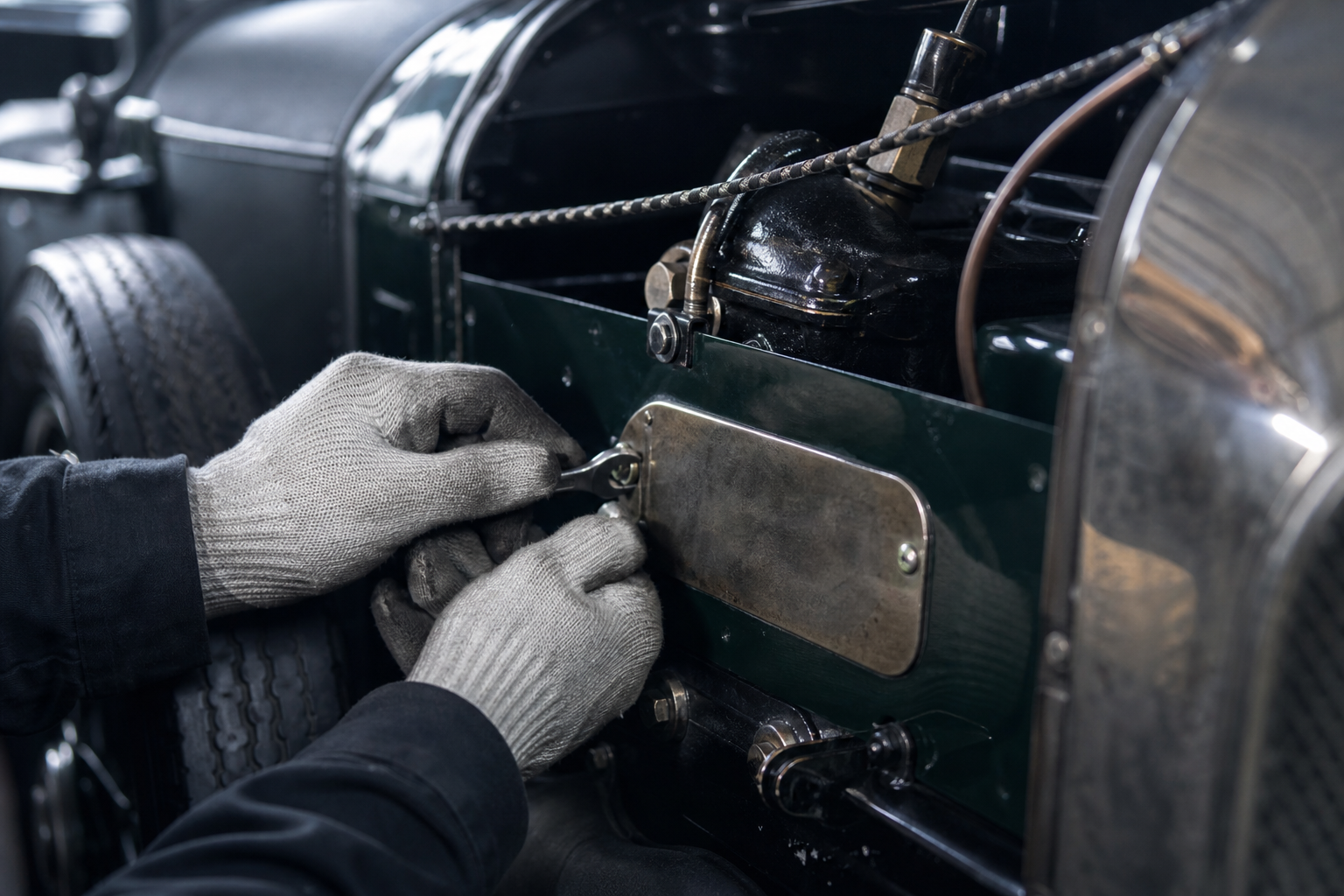
Bentley explains it used its original drawings, mechanics’ notes, its own Speed Six and “Old Number 3” as references. The manufacturer announces more than 600 parts new for the continuation racing engine. These elements show the depth of the programme, but they do not give each modern car the record of the historic cars.
In the dossier, therefore separate a section “history of the type” from a section “history of this example”. The first explains the lineage. The second begins with the modern order, then follows manufacture, delivery, use and maintenance.
Check the configuration and subsequent deviations
The paint, upholstery, instruments, fixings and settings must be compared with the configuration sheet. A replacement can be perfectly legitimate, but it must be dated, justified and accompanied by the removed part when reasonable.
our method for inspecting a classic car helps organise the physical examination, while our analysis between original and modification asks the right question about originality. Here, the issue is not to claim that a continuation is “more original” than a historic car, but to assess its fidelity to the Mulliner programme and the integrity of its own history.
Never promise universal eligibility
An appearance at Goodwood or at a demonstration event does not guarantee automatic admission to all rallies, concours or competitions. Request the specific regulations for each event and written confirmation from the organiser before planning a schedule or budget. The same caution applies to any car entered in historic competition, as illustrated by the case of the Lancia Stratos.
The FIA Appendix K, updated on 1 January 2026, governs international historic competitions and emphasises compliance with period specifications as well as documentary procedures. A car built to a historic specification may enter certain procedures, but its acceptance depends on the dossier, the HTP and the applicable regulations. Never turn a possibility into a guarantee.
Examine usage, consumables and support
Bentley states that continuation cars can run on standard unleaded fuel and period-style tyres that are available. Before purchase, however, request the exact references, suppliers, lead times and maintenance recommendations specific to the example.
Identify who can work on the engine, brakes, bodywork and finishing materials. The prestige of the programme does not replace a logistical plan. A buyer must know how to transport the car, obtain a part and document any intervention without losing continuity of the records.
Have the status appraised, not just the condition
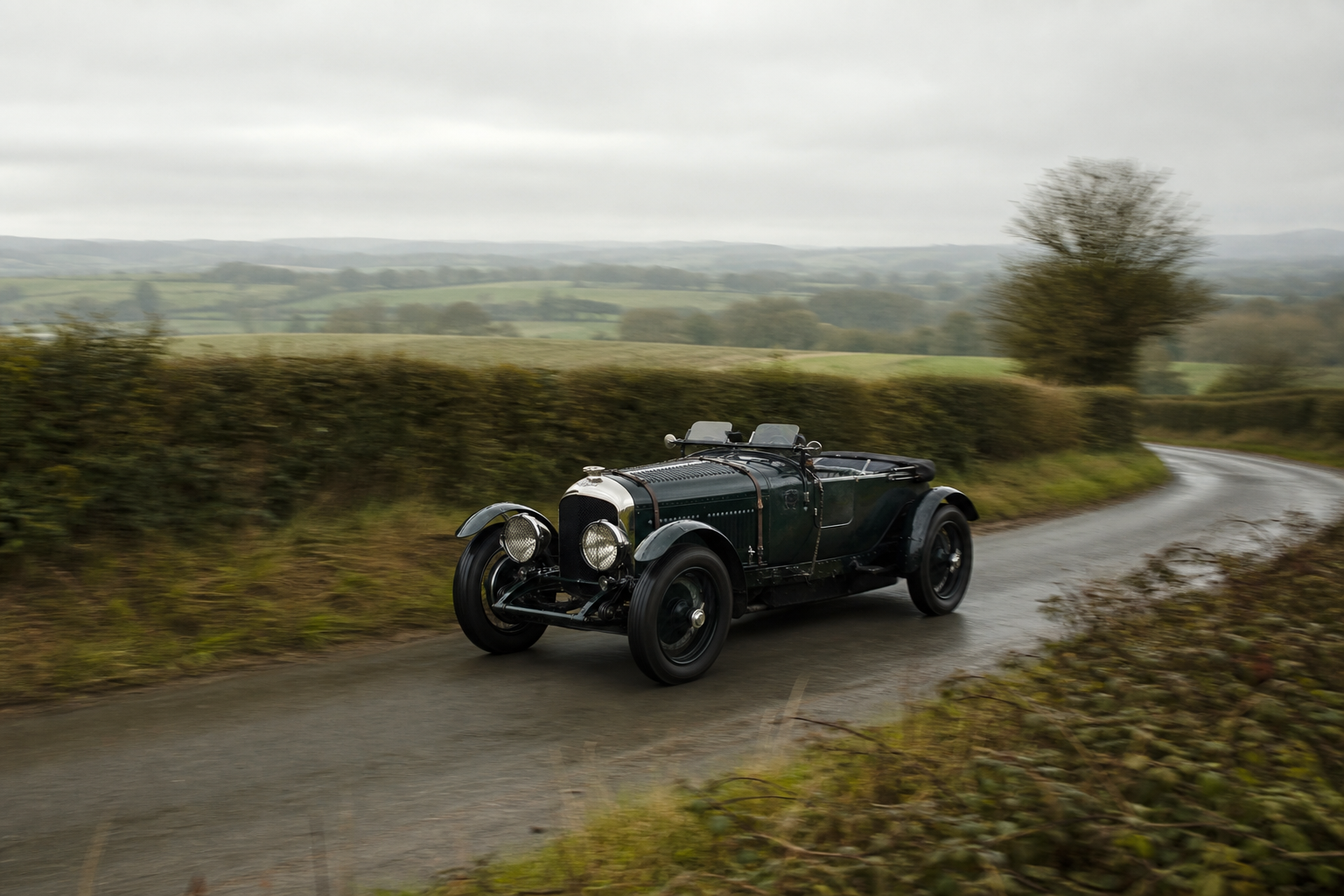
A mechanical inspection answers the question “what condition is it in?”. A documentary appraisal answers “what exactly is it?”. For this car, both are inseparable. The report must reflect the terms of the manufacturer’s programme, note any modifications and clearly indicate what could not be verified.
Also consult classic cars already sold to observe how rare cars are presented after sale, without inferring an automatic value. Comparables must be described by status, configuration, provenance and condition.
Checklist before deposit
- Confirm the exact designation and the modern year of manufacture.
- Link the car number to the Mulliner order.
- Compare the delivered configuration with the observed condition.
- Index maintenance, mileage, repairs and replaced parts.
- Obtain a written response regarding the events in question.
- Check the PTH procedure if an FIA competition is planned.
- Have the mechanical condition and documentary status examined separately.
Conclusion: precision protects heritage value
The Speed Six Continuation deserves to be described for what it is: a modern, rare Mulliner creation, thoroughly documented and inspired by a major racing history. Confusion with an original weakens the case; precision strengthens it. These tips are general: verify the documents, history, inspection, event regulations and current market conditions before any acquisition.
FAQ on the Speed Six Continuation
Is a Speed Six Continuation an original Speed Six?
No. It is a modern car built by Mulliner under a continuation programme. Its identity and chronology must be described as such.
Which document should be requested first?
Request the Bentley/Mulliner documentation linking the car number to its order, configuration, manufacture and delivery.
Can it participate in all historic events?
No. Each organiser applies their own regulations. For an international competition, also check FIA requirements and the PTH procedure before any entry.
Why keep the delivered parts and finishes?
They help demonstrate configuration consistency and explain any subsequent evolution without confusing origin and modification.