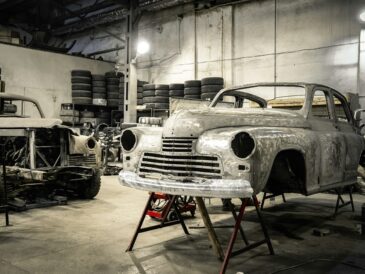
Entering the world of classic cars is like getting a piece of history, a rolling art object, a thrilling investment. But before being swayed by the sirens of an timeless line or the melodic whir of an old-fashioned engine, a crucial step is required: inspection. Acquiring an old vehicle without expertise is like buying a painting without looking at it, a melody without listening to it. To ensure that your dream does not turn into a mechanical or financial nightmare, Plethore Cars guides you through a rigorous inspection process, step by step. Prepare your notebook, your flashlight, and your eye of an aspiring expert, as the adventure begins now. Ensuring the health of a classic car guarantees years of enjoyment on the road and preserved value.
1. Preliminaries: Preparation Before the On-Site Inspection
Before you even move, good preparation is the key to a successful inspection. Don’t leave anything to chance.
1.1. Document Analysis: Vehicle Passport
It is imperative to ask the seller for as many documents as possible before your visit. The service manual is a treasure trove of information: a history of maintenance and parts replacements, and the actual mileage (even if it is often reset on older odometers). Check the service and repair invoices, which confirm the work performed and its quality. The vehicle registration card must match the vehicle and the seller’s identity. A valid technical inspection is also crucial; although its requirements are less strict for classic cars, it can reveal major structural defects. Be wary of unexplained documentation gaps, as they may hide problems.
1.2. Searching for the Model History and Specifications
Each model has its weaknesses and its strengths. Find out about the chronic diseases of the model you are looking for: specific rust problems, recurring mechanical failures, availability of parts… Specialized forums, brand clubs, and dedicated books are excellent sources of information. This knowledge will allow you to focus your inspection on the vehicle’s key issues.
2. External Inspection: The First Impression Counts
Walk around the vehicle. Let your eye get used to it, spot any possible anomalies.
2.1. The Bodywork and Painting: The Vehicle Screen
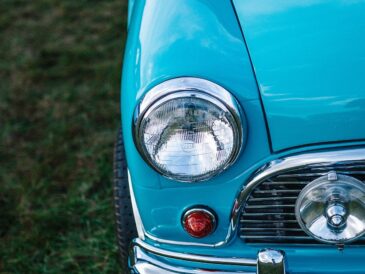
Inspect the bodywork under all seams, ideally in daylight. Look for signs of rust, the number one enemy of classic cars, especially on the fenders, lower body panels, wheel wells, around the headlights and windshields. Use a magnet: a loss of adhesion can indicate the presence of sealant masking deep corrosion or poor-quality repair. Check the alignment of the body panels, doors, hood, and trunk. Irregular gaps can reveal a poorly repaired accident. The paint should be uniform. Differences in color or “peeling” (delamination) are signs of repainting. Bubbles under the paint can indicate underlying corrosion.
2.2. The Subbasements and the Chassis: The Hidden Foundations
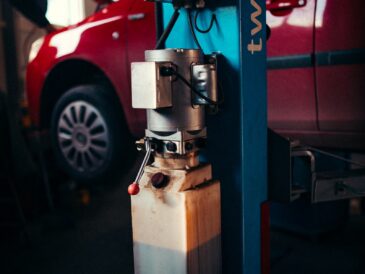
If possible, lift the vehicle or use a jack to inspect the undercarriage. This is where rust often causes the most damage. Look for perforations, rough repairs, or suspicious welds on the chassis, frame rails, and floors. Check the condition of the brake lines (oxidation, leaks) and fuel lines. The condition of suspension mounts is also crucial.
3. The Heart of the Beast: Engine and Mechanics
The engine is the vehicle’s muscle; its proper functioning is essential.
3.1. Engine Compartment Inspection
An excessively clean engine compartment can be suspicious, hiding recent leaks. On the other hand, excessive dirt can indicate a lack of maintenance. Look for oil, coolant, or other fluid leaks. Check the condition of hoses (cracks, hardness), belts (wear, fraying), and cables. The condition of the battery and its terminals gives an idea of overall maintenance. A visual inspection of the screw heads can reveal whether the engine has been opened.
3.2. Starting and Engine Operation
Try to start the engine when it’s cold if possible. A difficult start indicates a problem. Listen carefully: abnormal noises (clacks, whistles, knocking), exhaust smoke (blue = oil, white = water, black = rich combustion). Once the engine is warm, the idle should be stable. Check the levels of fluids (oil, coolant, brake fluid) and their color. Black, thick oil is a sign of neglect.
4. The Cabin and Equipment: The Timekeeper
The interior tells the story of the car and its owners.
4.1. The State of Materials and Finishes
Inspect the seats (rips, sagging), the carpets (wear, moisture stains), the sunroof (debris, stains) and the dashboard (cracks, broken plastics). The overall condition must be consistent with the stated age and mileage. A quality restoration distinguishes itself from a cursory repair.
4.2. The Functioning of the Equipment
Test all electrical equipment: headlights, turn signals, wipers, horn, electric windows, heating, ventilation, radio. A non-functional appliance can indicate a costly electrical repair problem and is often a sign of poor general maintenance. Check the condition of the seat belts.
5. The Road Test: The Dynamic Verdict
Never buy without trying. Test driving is the final step to confirm or disprove your first impressions.
5.1. Driving: Listen, Feel, Observe
Drive on different types of roads. Listen to the engine during acceleration and deceleration. The transmission should shift gears smoothly, without excessive noise or slipping. Check handling: the car should stay straight without pulling to one side. Test the brakes: progressive braking, without noise, without steering vibration or pull.
5.2. Suspensions and Management
On a slightly uneven road, the car should not bounce excessively. Clunking noises can indicate worn shocks or defective suspension components. The steering should be precise, with no excessive play in the steering wheel, and the wheels should not vibrate.
6. Expert’s Advice: Ultimate Security
Even after your thorough inspection, the opinion of a professional is invaluable.
6.1. The Specialist Car Dealer for Old Vehicles
If you are seriously interested, ask the seller to have the vehicle inspected by a garage specialist who is familiar with the brand or older vehicles. This professional, with his equipment and experience, will be able to detect problems that are invisible to the naked eye and estimate the cost of any possible repairs.
6.2. The Independent Automotive Expert
For a significant investment, the involvement of an independent automotive expert is strongly recommended. They will conduct a thorough inspection (structural, mechanical, and aesthetic) and may even estimate the actual value of the vehicle, thereby protecting you from any potential overpayment. Their report serves as legal protection in case of a dispute.
Acquiring a classic car is an emotional journey, but it must first and foremost be rational. Every inspection is an immersion into the vehicle’s past, an investigation to uncover its secrets. By following these steps, you significantly increase your chances of finding the rare gem—the one that will provide you with miles of happiness and will appreciate in value over time. Never forget that a classic car is a living organism that requires care and attention. A rigorous inspection is the first step toward a lasting and exciting relationship with your future rolling legend. Good hunting!