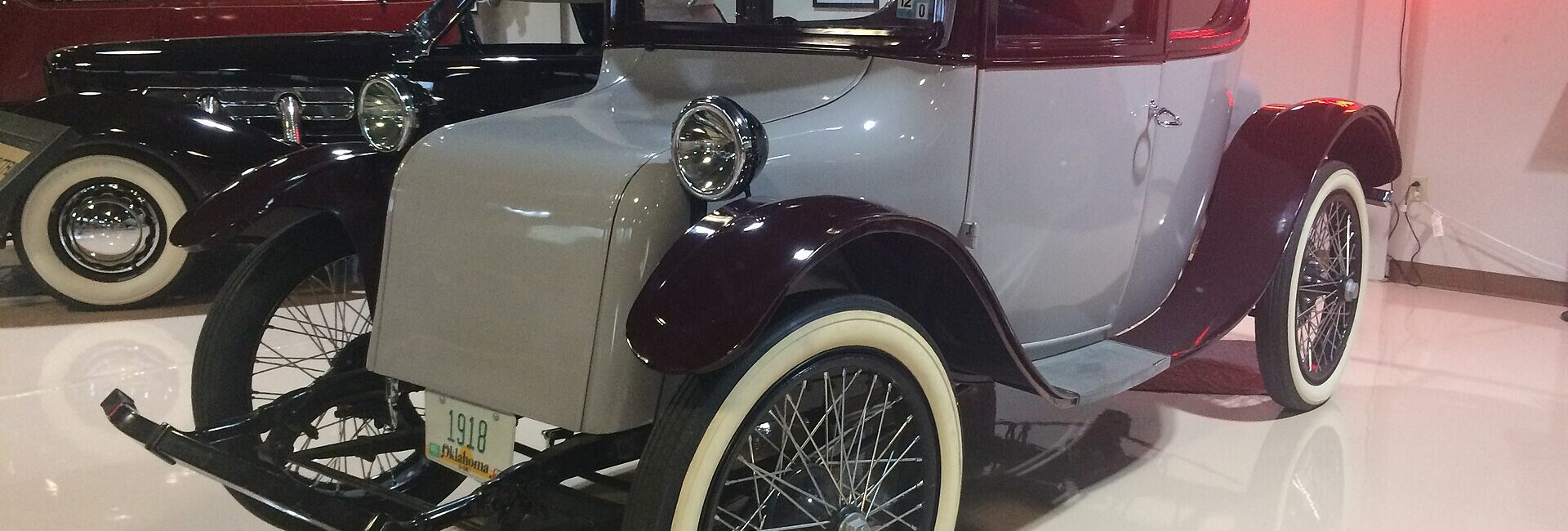
If your classic car has just been stolen, first check that it has not been impounded. If the theft is ongoing or has just occurred, call the 17. Then file a complaint promptly, notify your insurer within the contractual deadline, and immediately gather all evidence that can identify and value the vehicle.
The “classic” status does not trigger a special police procedure. However, it often complicates the insurance claim: an old rare car, restored or in a specific configuration, is difficult to compare with a standard used vehicle. The challenge is therefore twofold: act quickly to facilitate the search and precisely document the car’s value before any discussion about compensation.
The checklist for the first hours
| Order | Action | Why |
|---|---|---|
| 1 | Check the impound lot | Rule out administrative removal before declaring a theft |
| 2 | Call the 17 if the incident is immediate | Allow a rapid intervention |
| 3 | Do not touch anything in the garage | Preserve any usable traces |
| 4 | File a complaint promptly | Have the vehicle flagged in law enforcement databases |
| 5 | Report the theft to the insurer | Respect the contractual deadline and open the claim file |
| 6 | Gather keys, documents, photos and invoices | Prove the identity, condition and value of the vehicle |
| 7 | Transmit tracker data | Assist the search without intervening personally |
If a tracker indicates a location, communicate it to the police and the device operator. Do not attempt to recover the car yourself: the position may be imprecise, change, or expose the owner to danger.
1. Check the impound lot, then notify law enforcement
Service-Public recommends verifying that the vehicle has not been impounded before declaring it stolen. If the theft occurred in a garage, do not move objects or clean access points before the possible arrival of the police or gendarmerie: observations may be useful.
If the incident is ongoing or has just occurred, dial the 17. Otherwise, go quickly to a police station or gendarmerie unit. An online complaint may also be possible when the perpetrator is unknown, with a possible request for additional information later.
The complaint must be filed by the vehicle’s owner. If the car belongs to a company, a joint ownership, or an estate, prepare the documents establishing your authority to act. Request a copy of the complaint: the insurer may require it.
Report precisely:
- the registration number and chassis number;
- the make, model, year and colour;
- distinctive marks, modifications and visible defects;
- the simultaneous theft of the registration certificate, insurance papers or keys;
- the presence of a tracker, without publishing its location on social media;
- any recent photographs available.
Filing the complaint results in the vehicle being registered in the database of reported objects and vehicles, the FOVeS, as well as a block in the vehicle registration system. These records facilitate checks and prevent a new registration request.
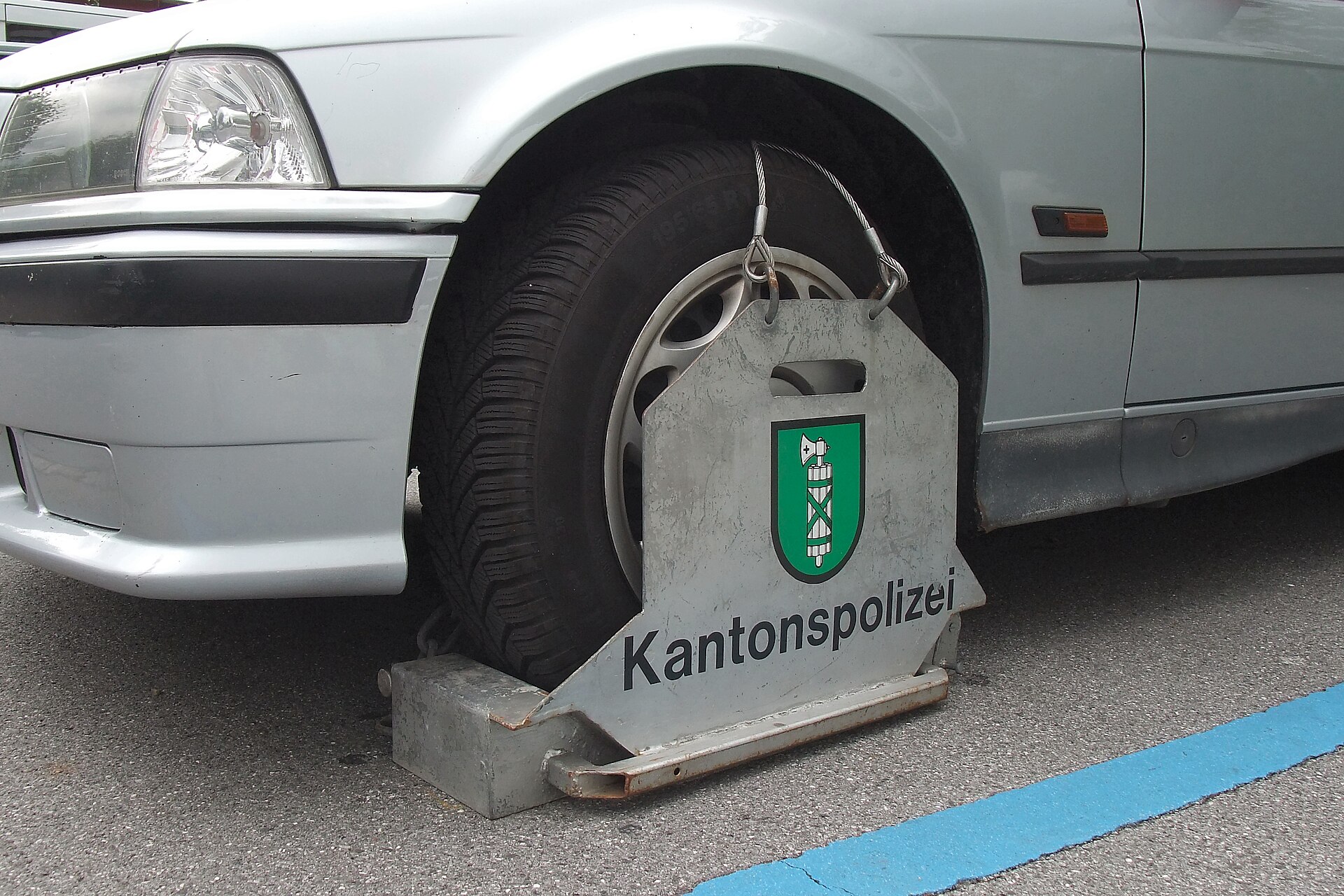
Photo: Kecko, Wikimedia Commons, CC BY licence 2.0.
2. Report the theft to the insurer without delay
The theft must be declared within the timeframe specified by the contract. Article L113-2 of the Insurance Code specifies that this contractual deadline cannot be less than two working days in the event of theft. This rule should not be interpreted as a reason to wait: contact the insurer as soon as the complaint is filed, then confirm via the requested channel.
Keep proof of the declaration and its file number. Describe the facts accurately, without filling any uncertainty with speculation. France Assureurs reminds that an omission or intentional false statement regarding the circumstances may jeopardise the coverage.
Also check the nature of your coverage. Civil liability insurance is mandatory, but it does not automatically compensate for the theft of your own vehicle. Theft coverage must be included in the contract. Its definition, exclusions, deductible, required protection devices and the method of calculating the value vary from one insurer to another.
If the vehicle was stolen from a garage with forced entry, also notify the home insurer when the doors, walls or equipment of the premises have been damaged. This separate declaration may cover property damage depending on the contract.
3. Assemble an appropriate evidence file for a classic car
The insurer may request the complaint receipt, registration certificate, administrative status certificate, purchase invoice or sales certificate, sets of keys and proof of detection system. For a classic car, it is necessary to go further to avoid a rare configuration or documented restoration being lost behind an overly general comparison.
Gather in particular:
- the latest expert report, if it exists;
- dated photos of the exterior, interior, engine and chassis number;
- invoices for restoration, maintenance and parts;
- the historical file, manufacturer certificates and archives;
- results of recent sales and advertisements of truly comparable models;
- proof of separately insured accessories;
- any evidence of provenance, a particular version, or specific specification.
A prior expert assessment is not legally mandatory for all automotive claims. However, it may be required by the terms of a classic car insurance policy or become crucial in defending a valuation. Review our comparison between agreed value and declared value for a classic car : these terms do not have the same effect depending on the contract signed.
4. How is the compensation calculated?
Service-Public states that contracts generally provide compensation corresponding to the vehicle’s value as assessed by an expert on the day of the loss. However, a contract may specify a different basis, notably an agreed, accepted, or capped value. The deductible and limits relating to accessories are also contractual.
For a classic car, the expert should not simply rely on the model name. The version, authenticity, condition before theft, quality of restoration, provenance, documented mileage, and recent market trends can all influence the value. Invoices do not automatically add to the vehicle’s price but are useful elements to demonstrate its condition and the work carried out.
The often-cited 30 day period is not a universal deadline set for all contracts. It is generally the period before a vehicle not recovered can be compensated. The exact rule is found in your general and specific conditions.
Before a loss, it is prudent to regularly update the valuation file. An appraisal of your classic car can provide an initial market reference, but it does not automatically replace the formal expert assessment required by some insurers.
5. What happens if the car is found?
If the vehicle is found before compensation is paid, most contracts require the owner to take it back. The insurer may cover repairs up to the guaranteed value, after the deductible, as well as certain recovery costs if justified or authorised.
Do not have the car repaired before obtaining written agreement from the insurer. An expert assessment is often arranged to record the damage, establish its connection to the theft, and estimate the cost of repairs. In case of emergency to secure the vehicle, notify the insurer immediately and keep all invoices.
For a classic car, request an inspection beyond just signs of forced entry: chassis number, mechanical components, underside, braking system, wiring, locks, rare parts, and overall consistency. A recovered car may have been damaged, dismantled, or used under conditions requiring thorough examination before any restart.
If the vehicle reappears after compensation has been paid, two solutions generally exist depending on the contract: keep the compensation and leave the car to the insurer, or return all or part of the sum to recover the vehicle. Request written confirmation before making a decision.
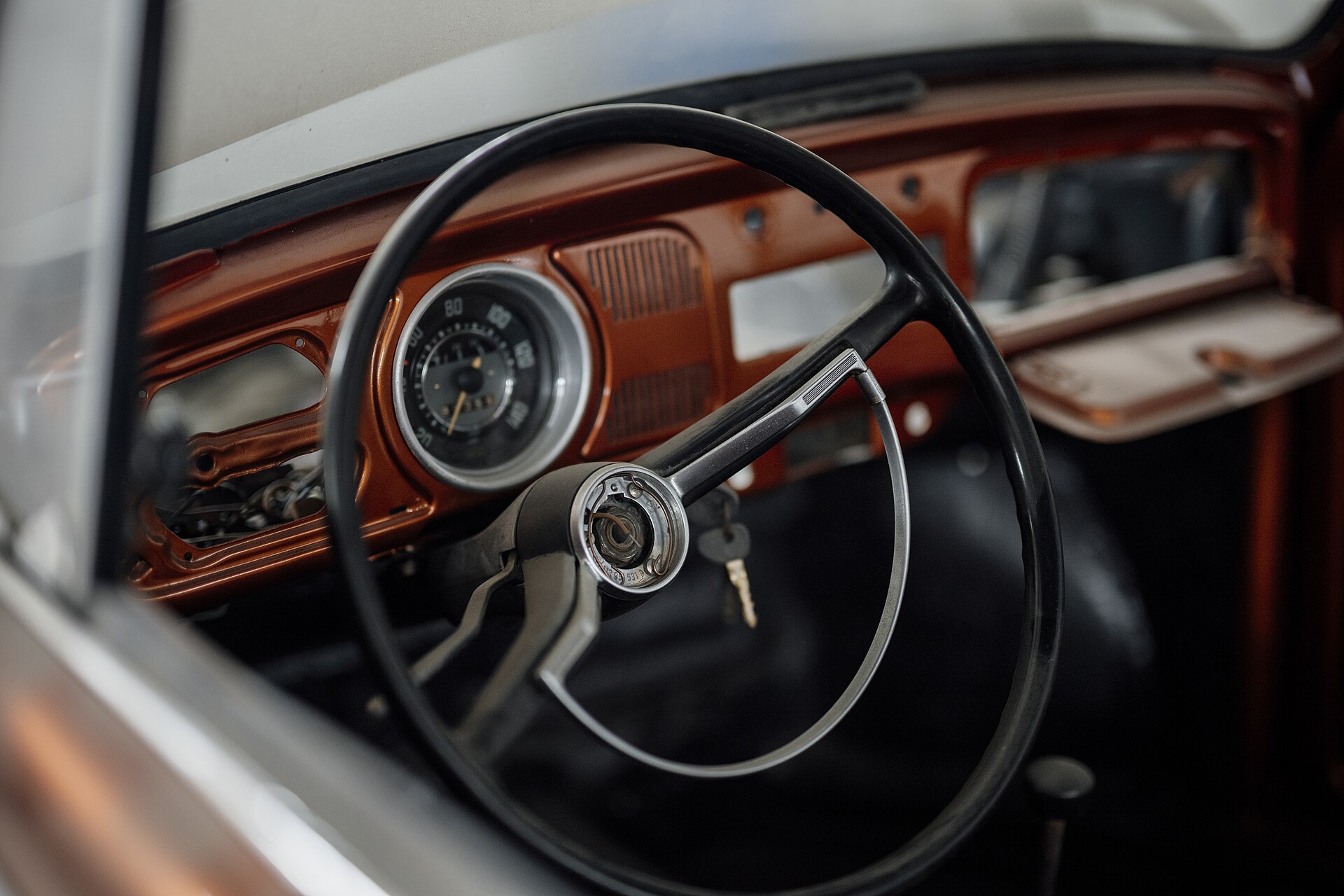
Photo: Shixart1985, Wikimedia Commons, CC BY 2.0 licence.
6. Contesting an undervaluation
The expert chosen by the insurer must provide a copy of their report to the insured. If the value retained seems insufficient, start by responding with documented evidence: comparable models, completed sales, previous reports, photos, invoices, and exact particularities of your car.
You may request a counter-expertise from an independent automotive expert listed on the national register. Their fees are generally your responsibility, unless the contract includes a specific guarantee. If the two experts disagree, a third expert assessment may be organised according to the stipulated procedures.
In parallel, follow the order of recourse: usual contact, insurer’s complaints department, then the competent mediator if no amicable solution is reached. Service-Public states that the complaints department has a maximum of two months to respond.
Prepare the file before a theft occurs
The best defence for a classic car is not just an anti-theft device; it is also a file kept outside the vehicle and saved in two locations. Regularly photograph the car, keep the identification numbers, scan the invoices, and have the appraisal updated when the value or condition changes.
Check the contract obligations: locked garage, alarm, kill switch, tracker, engraving or other protections. France Assureurs emphasises that failure to comply may result in a reduction of compensation, or even no coverage if the contract so provides.
To check the condition and traceability of a car before purchase, also consult our classic car pre-purchase appraisal guide. A file compiled from the time of purchase then facilitates insurance, resale and claims management.
Frequently Asked Questions
What is the deadline for reporting the theft to the insurer?
The deadline is that set by the contract and cannot be less than two working days in the event of theft. Nevertheless, report the claim immediately after filing the complaint.
Does third-party insurance reimburse a stolen car?
Not automatically. Mandatory third-party liability covers damage caused to others. Compensation for the stolen vehicle requires theft coverage included in the contract.
Who can file a complaint for the theft?
The owner is the victim authorised to file a complaint. A driver to whom the car was lent can report the facts but does not file the complaint on behalf of the owner.
What should be done if the documents were in the car?
Report in the complaint the theft of the registration certificate and other documents. Also inform the insurer, who will specify the required proofs and procedures.
When does the insurance compensate for a car not recovered?
After the period indicated in the contract, often around 30 days. The amount and conditions depend on the coverage subscribed, the value retained and the deductible.
Can the value proposed by the expert be refused?
Yes. Request the report, present comparable elements and, if necessary, request a counter-expertise. The costs of the second expert are generally borne by you unless otherwise guaranteed.
Sources
- Service-Public — What to do in case of vehicle theft?
- Service-Public — Vehicle theft: procedures with the insurer
- Légifrance — Insurance Code, article L113-2
- Service-Public — How does vehicle appraisal proceed?
- France Assureurs — Car theft: prevention and insurance
Information verified on 27 September 2026. As contracts and procedures may change, a review every six months is recommended.