A pre-purchase appraisal is used to verify the identity, condition, historical consistency and value of a classic car before committing to buy. It does not replace the technical inspection or administrative documents. To be truly useful, the task must be entrusted by the buyer to an independent professional, specialised in the model or era, with inspection on a lift, road test and written report.
A classic car may have a shiny bodywork while hiding corrosion, a poorly documented restoration, a replaced engine or work whose cost exceeds the price difference with a better example. The aim is not to obtain an absolute reliability guarantee: it is to turn an emotional decision into an informed one.
Appraisal, inspection and valuation: three different tasks
These terms are often used as if they were interchangeable. Before commissioning a service, ask what the professional will actually deliver.
| Task | Main question | Expected deliverable | Key limitation |
|---|---|---|---|
| Pre-purchase inspection or diagnosis | What condition is this car in? | record of defects, photos, test drive and work to be expected | does not always establish a market value |
| Automotive appraisal | What is its identity, condition and, if specified in the contract, its value? | signed and reasoned report | its scope depends on the letter of engagement |
| Valuation | At what price level is the vehicle? | value opinion based on comparables | does not replace a physical inspection |
| Technical inspection | Does the vehicle meet the regulatory points checked on the date of the visit? | official report | does not certify either authenticity or overall quality of a restoration |
A service may combine a technical inspection and a valuation opinion. It must then specify the method, the checks included, the exclusions, and the format of the report. A simple video call, a few photos, or a list of defects without a test drive should not be presented as equivalent to a full examination.
When is a pre-purchase appraisal particularly useful?
An appraisal is relevant when the potential error costs significantly more than the fee. It becomes a priority in the following situations:
- high purchase price or restoration claimed to be complete;
- model with a complex structure, bodywork prone to corrosion, or expensive mechanics;
- imported vehicle, modified or converted from right-hand to left-hand drive;
- absence of invoices, inconsistent numbers, or a long period without history;
- competition car, limited edition, or example claiming a particular provenance;
- remote purchase or auction allowing only a limited inspection;
- seller requesting a large deposit quickly.
For a model like the Jaguar E-Type, our detailed buying guide shows why checking the structure and identity must precede cosmetic assessment. The logic is the same for any classic car: the specialist must know the weaknesses specific to the generation examined.
How to choose a car expert?
The title of automotive expert is regulated in France. The Article L. 326-1 of the Highway Code links this qualification to professional qualification requirements. The Article L. 326-3 specifies that no one may practise the profession unless they are listed by the administrative authority.
So first check the professional’s presence on the national list published by the Road Safety Authority. This registration confirms the professional framework; it does not alone prove a specialisation in classic vehicles.
Then ask five questions:
- How many vehicles of this model or family have you examined recently?
- Are you completely independent from the seller, the dealer, and the workshop that services the car?
- Does the inspection include a lift, a cold start, and a road test?
- Will the report include photographs, numbers, measurements, and estimated work?
- Does your professional liability insurance cover this assignment?
The FFVE professionals’ directory can help identify active participants in the classic vehicle world, but the expertise suited to the model and the absence of conflicts of interest must always be verified directly.
What the letter of engagement must specify
The letter of engagement protects both parties by defining what the expert will actually be able to inspect. It should mention:
- the identity of the client and the vehicle;
- the exact purpose: purchase assistance, descriptive condition, authenticity, valuation opinion, or a combination of these tasks;
- the location, available resources, and authorisation to test drive the car;
- the operations included and those excluded;
- the delivery of a signed report, its deadline, and its recipient;
- fees, travel expenses, and any additional examinations;
- reservations related to the impossibility of dismantling or accessing certain areas.
Request the seller’s written consent before the appointment to place the vehicle on a lift, record numbers, measure the paint, and conduct a test drive. If a compression test, endoscopy, or fluid sampling is planned, the authorisation must be explicit.
Documents to provide before the inspection
An expert cannot properly assess a car without its file. Send them before the visit:
- registration certificate and proof of the seller’s identity;
- chassis number or full VIN;
- HistoVec report when the vehicle is registered in France;
- available technical inspections;
- invoices, service book, restoration photos, and previous registration documents;
- manufacturer’s certificate, Heritage certificate, or FFVE attestation if applicable;
- description of the advertisement and important statements from the seller;
- import, customs and compliance documents if the vehicle comes from abroad.
HistoVec allows the owner to share data from the SIV: first registration, changes of ownership, administrative status, technical inspections and certain claims that have triggered a procedure followed by an expert. It remains complementary to an inspection: the absence of an event in the report does not prove the absence of previous repairs.
Also consult our guide on the certificate of non-encumbrance for a classic car and the one dedicated to matching numbers.
How does a pre-purchase inspection take place?
1. Identification and administrative consistency
The expert compares the registration document, manufacturer plates, chassis stamping and available archives. They note specification differences, conversions, component replacements and visible modifications. A compliant number alone does not establish the authenticity of the entire car; it must be placed within the historical file.
2. Bodywork, structure and corrosion
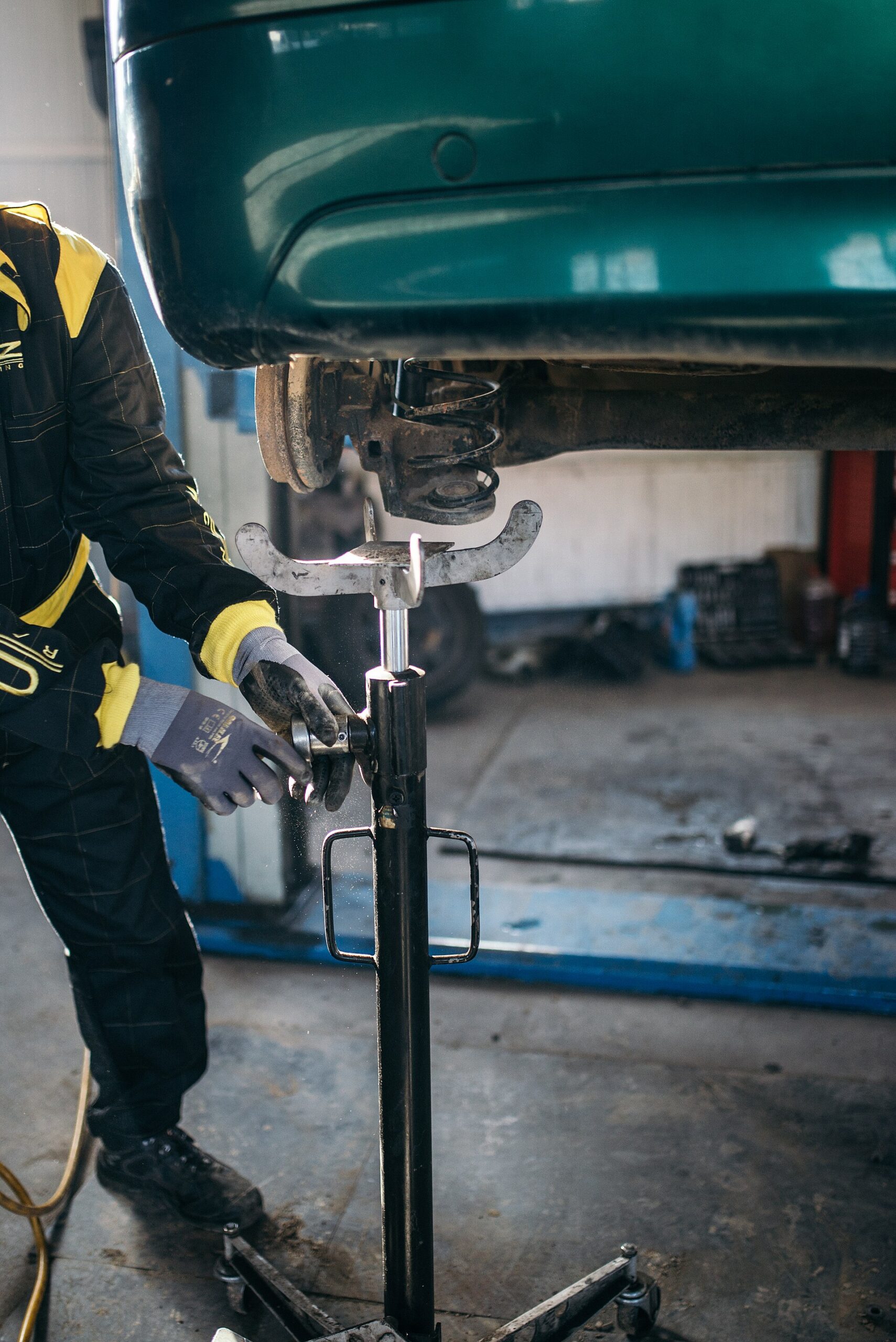
The car must be examined at eye level and then on a suitable lift. The expert observes panel gaps, impact marks, repairs, welds, accessible hollow sections, floors, suspension mounts and lifting points. A thickness gauge can reveal repairs, but it cannot see inside a chassis rail. Depending on the model, an endoscopic camera becomes more useful than a perfectly polished paintwork.
3. Mechanical components and cooling system
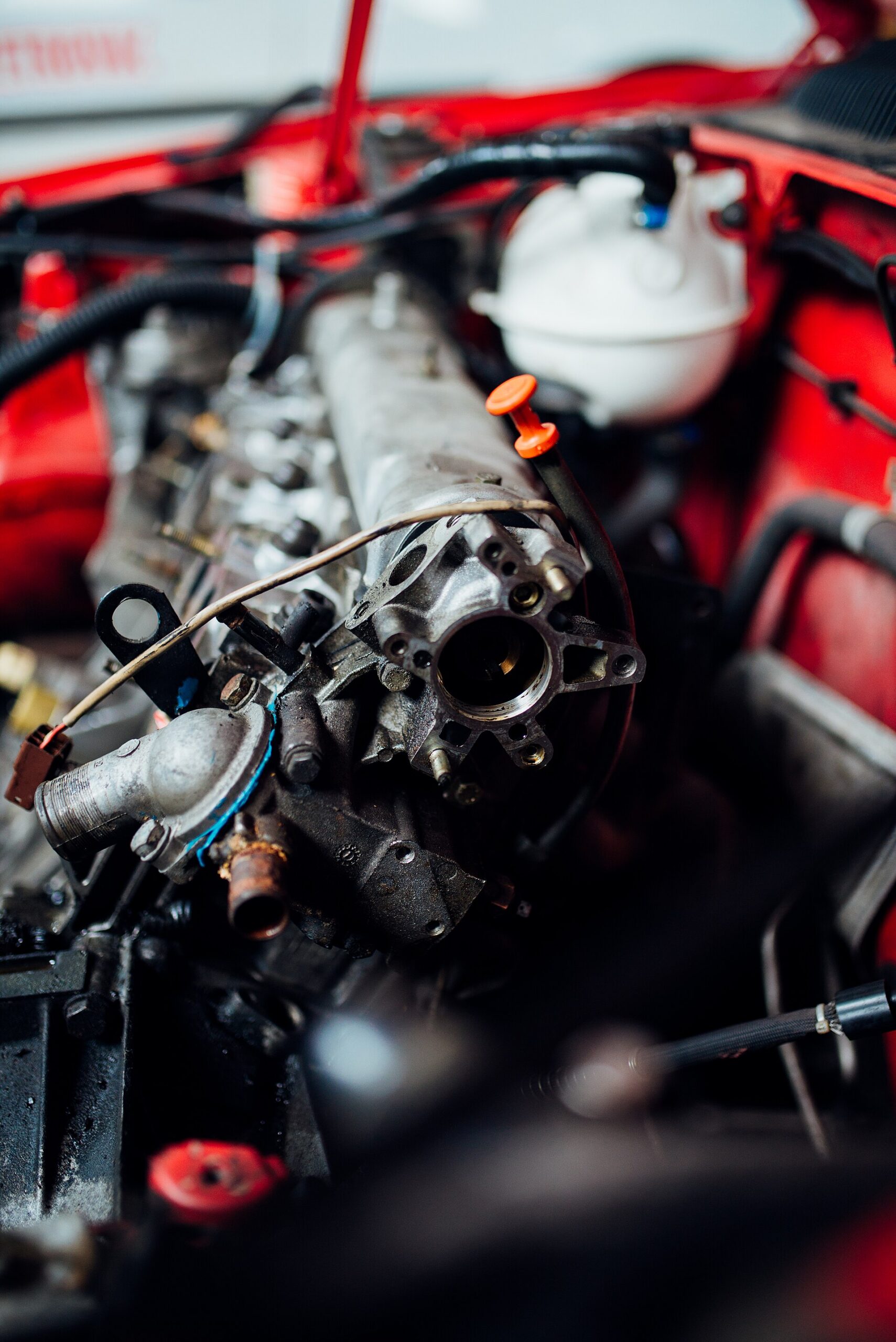
Starting should ideally be done with a cold engine. The inspection focuses on noises, smoke, leaks, oil pressure, temperature, fluid quality, fuel supply, charging and cooling. Compression tests, cylinder sealing or oil analysis are not automatic: they must be included in the assignment and authorised.
4. Transmission, running gear and braking
The test drive allows evaluation of the clutch, gearbox, differential, steering, braking, vibrations and directional stability. On a rarely used car, visually new tyres may be too old. Hoses, bushes, bearings and shock absorbers also age over time, not just with mileage.
5. Interior, electrical system and equipment
The condition of the trim helps assess the consistency of the claimed mileage, but is never sufficient to certify it. The expert checks instruments, lighting, ventilation, window lifters, convertible roof or hardtop, accessories and visible wiring. A recent cosmetic restoration can mask an old or modified electrical installation.
6. Test drive and quantified summary
The test must be long enough to bring the car up to temperature, check hot restart and reproduce several engine speeds. The report then prioritises findings: immediate safety, reconditioning, future maintenance and authenticity discrepancies. Work should be presented as approximate estimates when no workshop quote has been provided.
How much does a pre-purchase inspection cost?
There is no single national rate for this assignment. The price depends on travel, model rarity, examination time, measurements, documentary research and any valuation opinion. A local inspection without dismantling does not have the same scope as an international expertise with archives, analyses and restoration monitoring.
Request a detailed quote rather than an oral price. Compare the content: presence of a lift, test drive, report, photos, valuation opinion, additional examinations and travel expenses. A cheaper service without an exploitable report can cost more if a major defect appears after the sale.
The right calculation is to relate the fees to the risk: structural corrosion, rare engine, specific gearbox, conformity of a modification or claimed provenance. To frame the market value before ordering extensive examinations, you can request a free valuation of your car. This valuation does not replace a physical inspection.
How to use the report for negotiation?
The report is not a checklist allowing you to mechanically deduct every euro from the price. Distinguish between:
- defects already factored into the stated positioning;
- expenses necessary for safety or compliance;
- normal maintenance of a classic car;
- discrepancies between presentation, documents and reality;
- work whose extent will only be known after dismantling.
Three decisions are possible: buy at the agreed price, renegotiate based on quantified grounds, or walk away. Do not ask the expert to decide for you; ask them to explain the risks and uncertainties.
If you reserve the car before the checks are complete, have the conditions for return and any reservations recorded in writing. Our article on the deposit when buying a classic car details the difference between a deposit and earnest money.
What the inspection does not guarantee
Even when thorough, a pre-purchase inspection remains an examination at a given moment, often without dismantling. It cannot guarantee the absence of future breakdowns, date every repair, see all closed areas, nor certify provenance without sufficient archives.
It also does not eliminate legal recourse. Regarding hidden defects, Service-Public reminds that the buyer must prove the existence of the defect meeting legal conditions; an amicable inspection can contribute to the case, but a dispute after sale follows a different logic than a preventive inspection.
Checklist before ordering the inspection
- Verify the professional’s registration on the national list of experts.
- Confirm their experience with the model and independence from the seller.
- Obtain a letter of engagement and a detailed quote.
- Require access to a lift, cold start, and a test drive if the vehicle allows.
- Send the documents before the visit.
- Have the additional measurements and examinations included specified.
- Provide a written report with photos and reservations.
- Only pay a deposit with written conditions compatible with the timing of the inspection.
FAQ
Is a pre-purchase inspection mandatory?
No. It is a voluntary step taken by the buyer. It does not replace the MOT test or the documents that the seller must provide when required by regulations.
Who should pay for the inspection?
In practice, the person who commissions the inspection pays for it. This way, the buyer retains control over the choice of expert, the scope, and the report.
Can the seller refuse the inspection?
They can refuse access to their vehicle or certain operations. The buyer must then decide whether to accept this level of uncertainty; a refusal to allow inspection on a lift or a cold start deserves a precise explanation.
Is a favourable MOT test sufficient?
No. It certifies the result of the regulatory points checked on the date of the test. It does not assess provenance, matching numbers, market value, or the overall quality of a restoration.
Does the expert need to dismantle the engine?
Not in a standard inspection. Dismantling, compression tests, endoscopies, or analyses must be planned in advance and authorised by the owner.
Does an inspection guarantee future value?
No. A valuation is dated and based on the condition and market observed. The rating, demand, and condition of the vehicle can change.
Sources and maintenance
- Légifrance — Highway Code, articles L. 326-1 and L. 326-3 : professional quality and administrative list of experts.
- Road Safety — National list of automotive experts, publication 2026 : verification of registration.
- Service-Public — Selling or giving away your vehicle : MOT test and transfer documents.
- Service-Public — Legal warranty for hidden defects : conditions for recourse and burden of proof.
- FFEA — Expertise of a Classic Vehicle: descriptive examination, value and work to be anticipated.
- FFVE — When and How to Have Your Classic Vehicle Appraised?: uses of the appraisal for purchase, sale and insurance.
Information verified on 19 September 2026. Review recommended annually, or immediately in case of changes to the professional framework of automotive experts.
Photographic credits
- Featured image: Nenad Stojković / Shixart1985, Wikimedia Commons, CC BY 2.0.
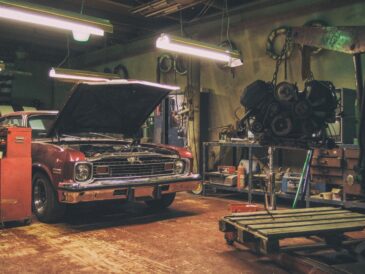
- Running gear on lift: Nenad Stojković / Shixart1985, Wikimedia Commons, CC BY 2.0.
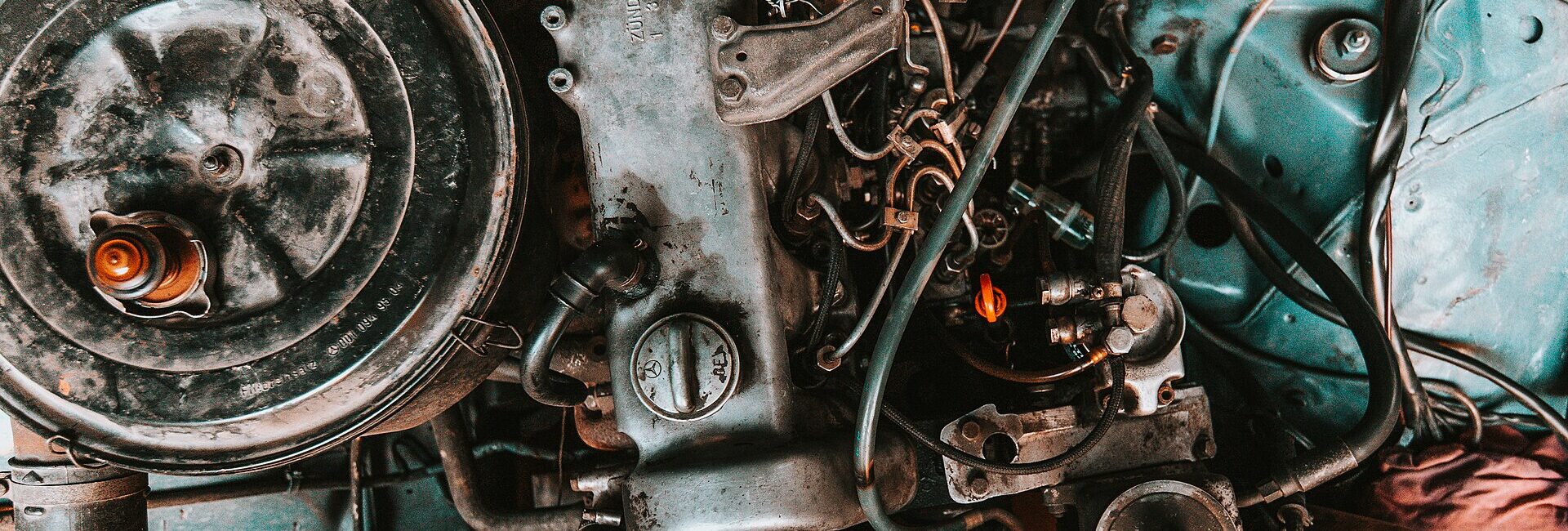
- Engine inspection: Nenad Stojković / Shixart1985, Wikimedia Commons, CC BY 2.0.