
Short answer:before offering a McLaren F1, have a technical and historical dossier prepared in which every statement refers to evidence. McLaren Special Operations indicates that it offers restoration, certification, brokerage and preservation of historic models. This service does not set a value and does not replace the sales contract: it mainly helps to reduce uncertainties before buyers discover them.
The seller must separate three often confused subjects: the identity of the car, its current condition and the marketing strategy. A spectacular presentation does not compensate for a patchy chronology or a poorly explained modification. The correct method is to qualify the evidence, decide on useful interventions, then choose the sales channel.
Start by defining the scope of the certification
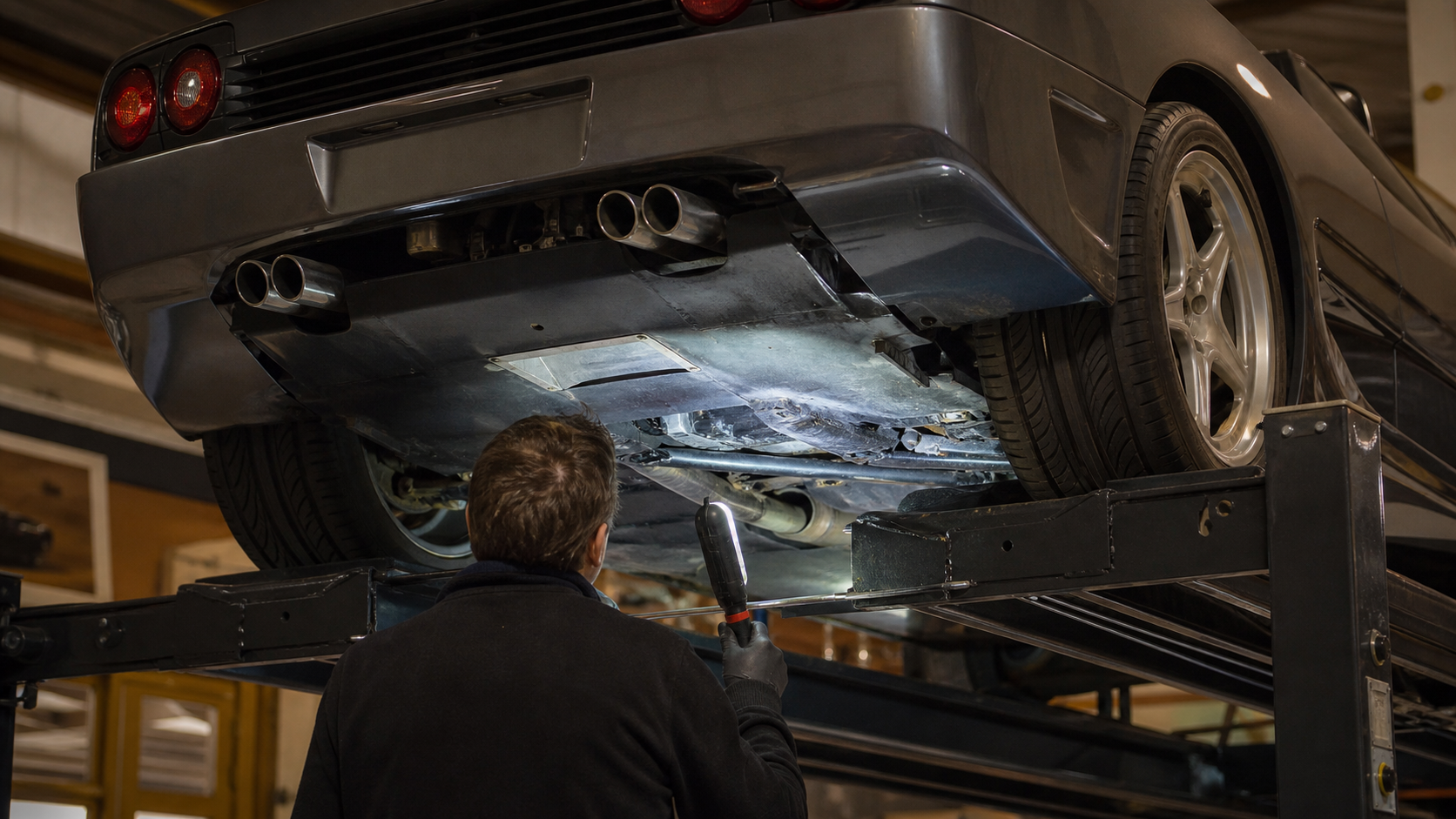
Request in writing what the inspection covers: identity, configuration, maintenance history, replaced parts, interventions, mechanical condition, bodywork, electronics, accessories and documentation. The term “certified” must never stand alone. It must be linked to an organisation, a date, a version of the report and explicit reservations.
The official MSO page specifies that the entity works on restoration, certification, brokerage and preservation, and that it continues to source parts for the F1. This information justifies consulting McLaren, but not claiming that a particular inspection will be available in France or within a given timeframe. Have eligibility, location, schedule, price and deliverable confirmed before organising the sale.
Build a chronology that the buyer can verify
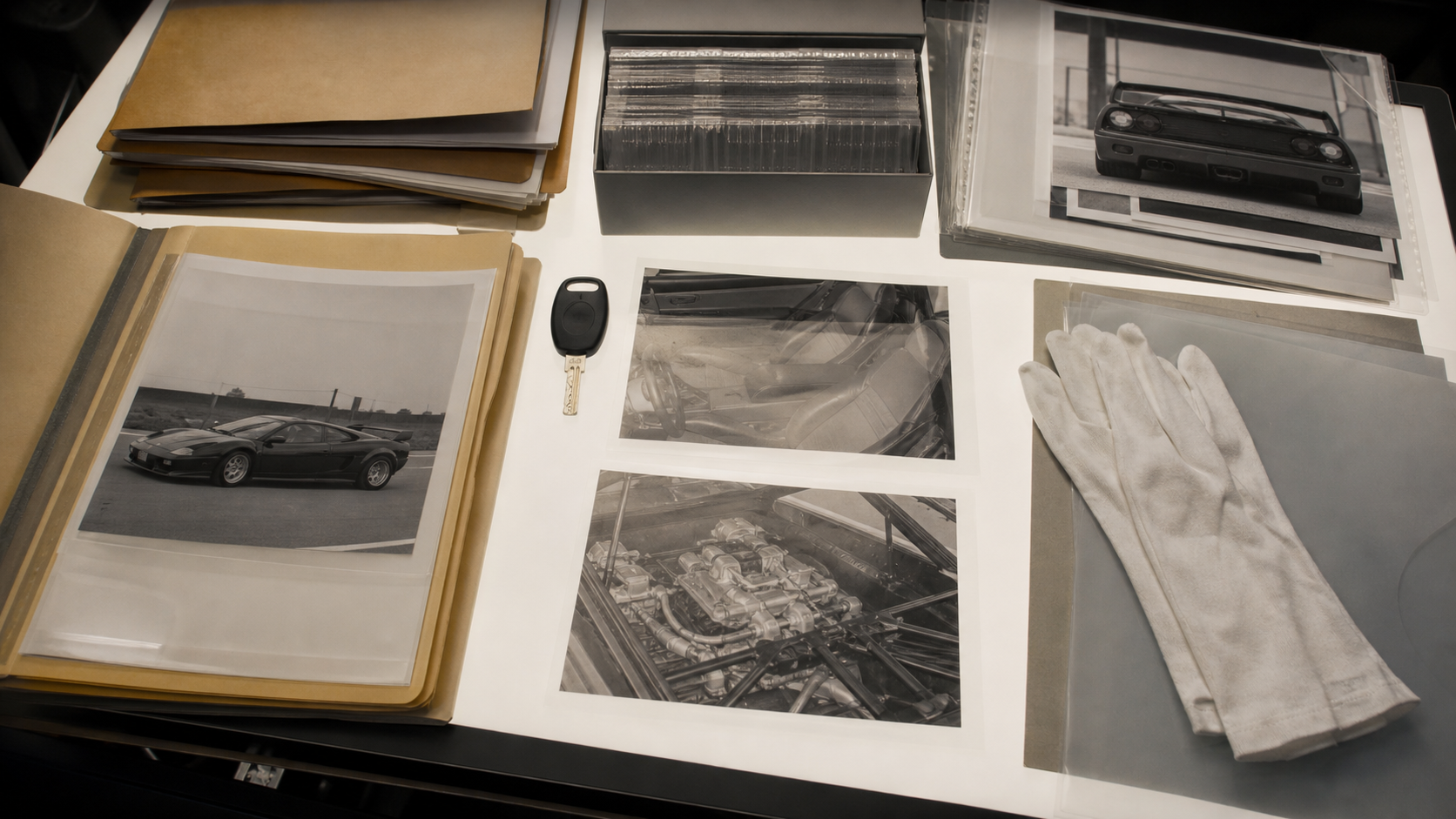
Sort documents by period: acquisition, registration, maintenance, storage, transport, repair, modification, declared incident, appraisal and change of ownership. For each operation, link invoice, work order, photograph and displayed mileage. When evidence is missing, write “undocumented” rather than filling the gap with a narrative.
Add a simple index with the document name, its date, issuer and the question it answers. A hundred unclassified files are worth less than a readable chronology. This discipline aligns with our method for preparing a classic car for sale : the dossier must allow a third party to understand the car without relying on the seller’s memory.
Distinguish original configuration and documented evolution
Note the known configuration at delivery then each subsequent change. An evolution carried out by the manufacturer, a reversible intervention and an undocumented transformation must not be presented in the same way. Photograph accessible references, keep removed parts and ask the specialist to explain compatibility with future use.
Do not promise either “matching numbers” or “original condition” without definition and proof. Describe precisely what has been verified, what has not and the method used. Transparency protects negotiation better than an absolute adjective liable to be challenged.
Decide on work before putting the car up for sale
Three options exist: keep the condition, correct targeted defects or undertake a broader restoration. Compare them according to safety, operation, material conservation, parts availability, timing and quality of the final dossier. Urgent work is not necessarily useful for the sale; conversely, postponing a major defect without a quote can make offers incomparable.
Request two documents: a condition report before intervention and a record after intervention. Photographs must show the areas concerned, not just the finished result. Replaced parts must be identified and, when relevant, handed over with the car. This method allows the buyer to distinguish maintenance, repair and modification.
Choose the sales channel after the dossier
Auctions, mandates and private sales do not impose the same schedule or confidentiality. Compare audience, exclusivity, fees, insurance, transport, test drives, fund verification and management of sensitive documents. Our guide helps to choose between auctions, mandates and private sales without assuming that one channel is always superior.
For such a particular automobile, the mandate can centralise the qualification of contacts and technical coordination. The auction sale focuses attention but sets a timetable. Private sale gives control to the owner but requires strict governance of access and information. PlethoreCars also offers to entrust the sale of an exceptional vehicle within a framework to be contractually compared.
Preparing a data room without exposing sensitive data
Create multiple levels of access. The initial presentation can show configuration, summary history, condition and photographs. Documents containing addresses, signatures, personal numbers or bank details remain hidden until the contact is qualified. An access log and a confidentiality agreement may be appropriate depending on the chosen process.
Never distribute the full titles or invoices in a public announcement. Prepare redacted copies, keep the originals and define who can consult them. The objective is to prove without creating a new risk of fraud or impersonation.
Drafting a factual presentation
The presentation must follow the file: identity, configuration, chronology, maintenance, work, condition, accessories, viewing conditions and reservations. Avoid undemonstrable superlatives and value predictions. Explain what makes this example understandable, not why it should break a record.
The French market seeks coherent and traceable cars; our analysis allows understanding the expectations of the collector market without turning this general trend into a liquidity guarantee for a specific example.
Checklist before opening visits
- Scope and author of the certification confirmed.
- Indexed chronology and identified gaps.
- Initial configuration and evolutions separated.
- Condition report before and after work available.
- Deposited parts and accessories inventoried.
- Protected data room and redacted copies.
- Sales channel contract compared.
- Transport, insurance, testing and payment framed.
Frequently asked questions
Does an MSO certification guarantee the sale price?
No. It documents the identity and condition according to the agreed scope; the price then depends on the market, the contract and the buyers actually present.
When should the audit be initiated before the sale?
Before the photographs and the preparation of the dossier, so that findings, any necessary work and missing parts can be addressed without haste.
Is it necessary to restore a McLaren F1 before selling it?
Not automatically. Compare preservation, targeted intervention and restoration with a specialist, then quantify the documentary impact and timeframe of each option.
Which documents should be provided to an intermediary?
A chronology, ownership titles, invoices, reports, parts references, dated photographs, accessories and a transparent list of known discrepancies.
Conclusion
Certifying a McLaren F1 before sale is not about sticking a reassuring label on an advertisement. It requires defining the inspection, documenting discrepancies, deciding on any work, and organising access to evidence. These recommendations are general: verify documents, history, independent inspection, contracts and current market conditions before any transaction.