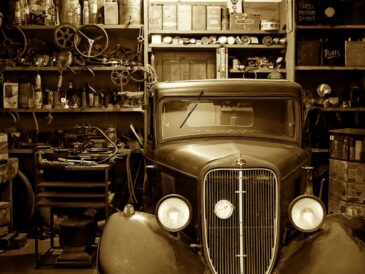
An inherited classic car is not just an asset. It carries a family history, sentimental value, and sometimes differing expectations among heirs. When the vehicle remains in joint ownership, the practical question quickly arises: who can use it, who pays the expenses, who decides to sell, and how can disagreements be avoided from blocking everything?
The short answer: before any announcement, clarify everyone’s rights, the sales agreement, any mandate, conservation costs, the valuation, and the vehicle’s documentation. To compare the presentation with the market, start by viewing the available premium vehicles.
What joint ownership means for a car
When an estate includes several heirs, the assets may belong to all heirs collectively until the division. For a rare car, this situation requires distinguishing usage, conservation, sale, and the sharing of the price. The vehicle must be treated as communal property until the situation is resolved.
In practice, the first risk is confusing physical possession with decision-making power. Holding the keys, storing the car, or paying a bill does not automatically mean one can sell alone. Therefore, the framework must be set before any negotiation.
Clarify the heirs and their rights
Ask the notary or the heirs for information identifying the rightful owners, their shares, and the stage of the succession. The aim is not to turn the buyer into a lawyer, but to verify that the seller can commit to the transaction or that a proper mandate has been given.
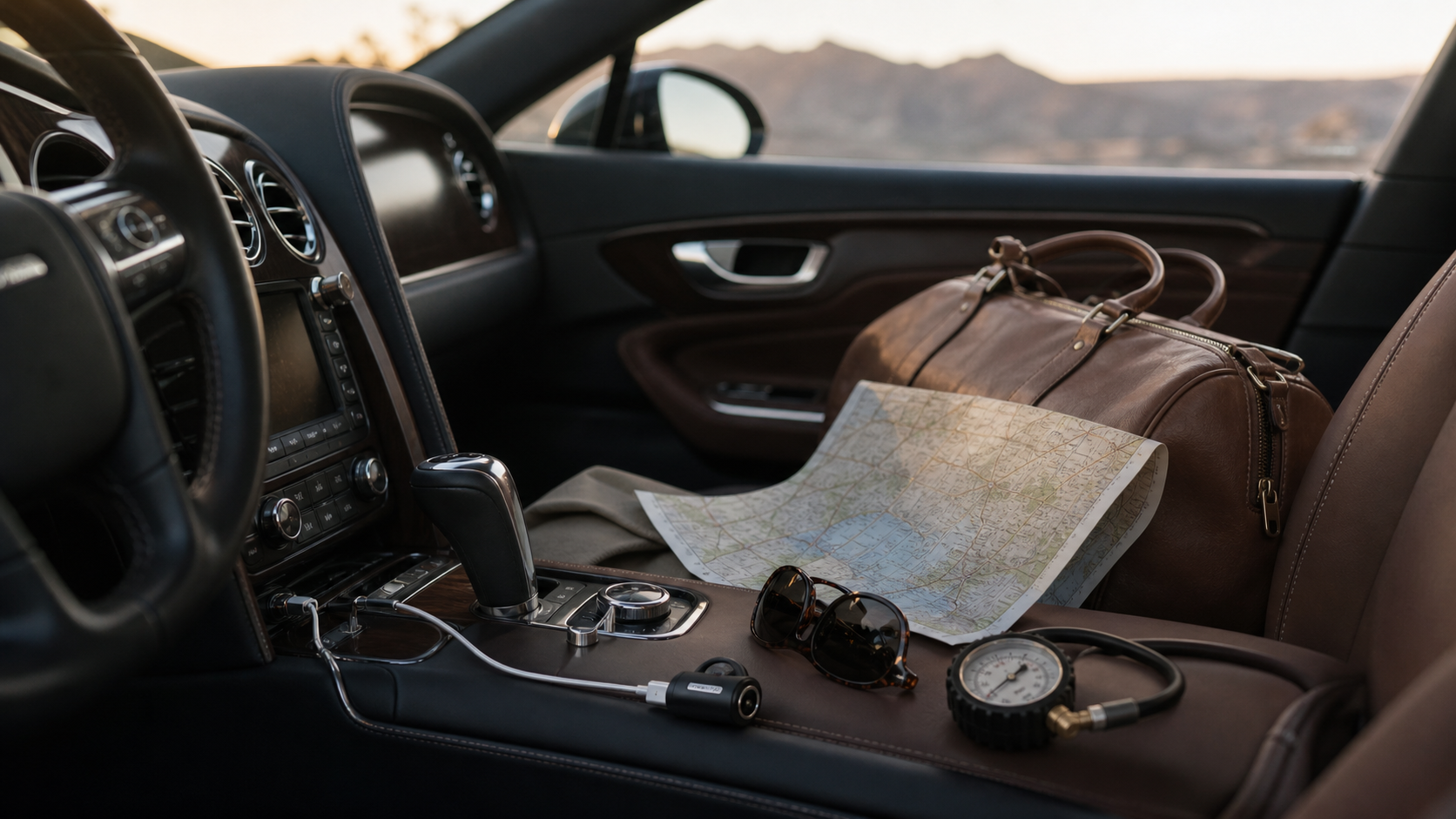
Organise usage during the waiting period
A car driven without clear agreement can create tensions: insurance, mileage, storage, maintenance, risk of accident, and loss of value. If the vehicle is to remain in the family for a few months, record who keeps it, who can move it, who pays the costs, and which operations are authorised.
This rule also protects the future buyer. A car used by several people without precise tracking becomes harder to explain: no one really knows when it was driven, who decided on a repair, or why a defect appeared. Even a simple maintenance log avoids this grey area.
Get an appraisal before discussing
An independent valuation often calms the debate. It should specify condition, configuration, documents, visible work, and reservations. For a rare car, request a market reading rather than an isolated figure. Heirs must understand why two cars of the same model can sell differently.
To broaden the context, reading the latest PlethoreCars guides allows you to find the provenance, originality, and presentation criteria used in other premium files.
Prepare the vehicle’s file
Gather the registration certificate, invoices, inspections, previous expert reports, photos, accessories, logbooks, and correspondence. If the car has been restored, separate proof of work, replaced parts, and original elements retained. The clearer the file, the simpler the family and commercial discussion becomes. This file is prepared in advance: the inventory of an automotive estate sets the framework.
Choosing between sale, retention or family buyout
Three scenarios often recur: selling to a third party, keeping the car in the family, or letting one heir buy out the shares of the others. The right decision depends on the emotional attachment, the ability to finance expenses, storage space, risk of deterioration, and the model’s liquidity.
Framing the sales mandate
If the family entrusts the car to a professional or a designated heir, the mandate must specify the expected price, the negotiation margin, the documents provided, the accepted fees, and the person authorised to sign. To structure this sale, preparing the sale of a premium car provides a methodological basis.
The mandate must also organise communication. Who responds to buyers, who sends the documents, who approves a counter-offer, who accompanies the inspection? The earlier these roles are defined, the less the sale appears improvised. This is particularly important when a professional buyer demands a quick response.
Avoid signals that worry the buyer
A serious buyer will be cautious if the heirs do not say the same thing, if the registration certificate does not match the story told, if invoices disappear, or if the car is shown without clear agreement. These signals do not necessarily condemn the vehicle, but they slow down the transaction.
Distribute the price and keep evidence
After the sale, keep a record of the price, fees, mandate, transfers, handover of documents, and the vehicle’s destination. This discipline prevents late disputes. It also helps to explain the transaction if an absent, minor, or represented heir needs to be informed.
When the car had strong sentimental value, add a shared summary: why the sale was decided, how the valuation was obtained, which offers were considered, and why the chosen buyer was appropriate. This document is not intended to replace the notary, but it often soothes family discussions.
Compare with the market before signing
Before accepting an offer, place the car back in its market context: condition, rarity, colour, history, work done, and probable sale timeframe.Observing models already sold can help distinguish a low offer from a simply realistic one.
Checklist for a smooth family sale
- Identify the heirs, rights, and any possible representative.
- Put in writing the use, storage, and expenses during the joint ownership.
- Have the car valued with documented reservations.
- Organise the file before publishing the advertisement.
- Define the price, negotiation margin, and signing conditions.
- Keep evidence of the sale and distribution.
FAQ
Can a single heir sell the family car on their own?
You must verify their authority and the necessary agreement depending on the situation. If in doubt, seek the notary’s advice before signing anything.
Should the car be appraised before the division?
Yes, an independent valuation helps to discuss on a common basis and justify the agreed price.
What should be done if the heirs do not agree?
The sale should be slowed down, rights clarified, a mandate considered, or advice sought from the notary before presenting the car to a buyer.
These recommendations are general: always verify documents, history, independent inspection, succession status, and current market price with competent professionals.