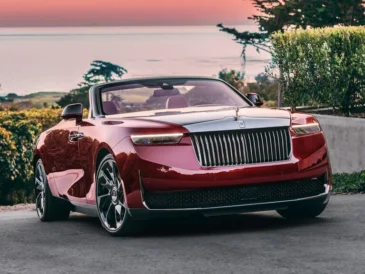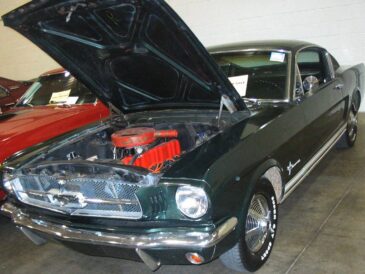
An automotive auction can provide access to a rare, well-presented car that is hard to find elsewhere. It can also push a buyer to decide too quickly. Whether it’s a classic Ferrari, a special Porsche, an old Aston Martin or a recent supercar, the real issue is not just the final hammer price: it’s the entire set of conditions, the documentation and the fees surrounding the sale.
The short answer: only bid if you have already set your maximum limit, read the terms and conditions, identified additional fees, checked the documentation and planned transport, registration and resale. Before comparing an opportunity, also keep a benchmark on see available premium vehicles.
1. Confusing estimate with actual budget
The estimate provides a framework for understanding, not a commitment. Your budget must include the possible hammer price, auction fees, transport, insurance, formalities, additional inspection and immediate repairs. The right ceiling is the one you can maintain without hoping for a quick resale to correct a mistake.
2. Reading the terms of sale too quickly
Each auction house publishes its own rules: registration, possible deposit, buyer identity, payment, collection, taxes, lots sold as seen and liabilities. Read these conditions before visiting the car. If a rule seems unclear, ask for written confirmation before the sale.
3. Neglecting physical inspection
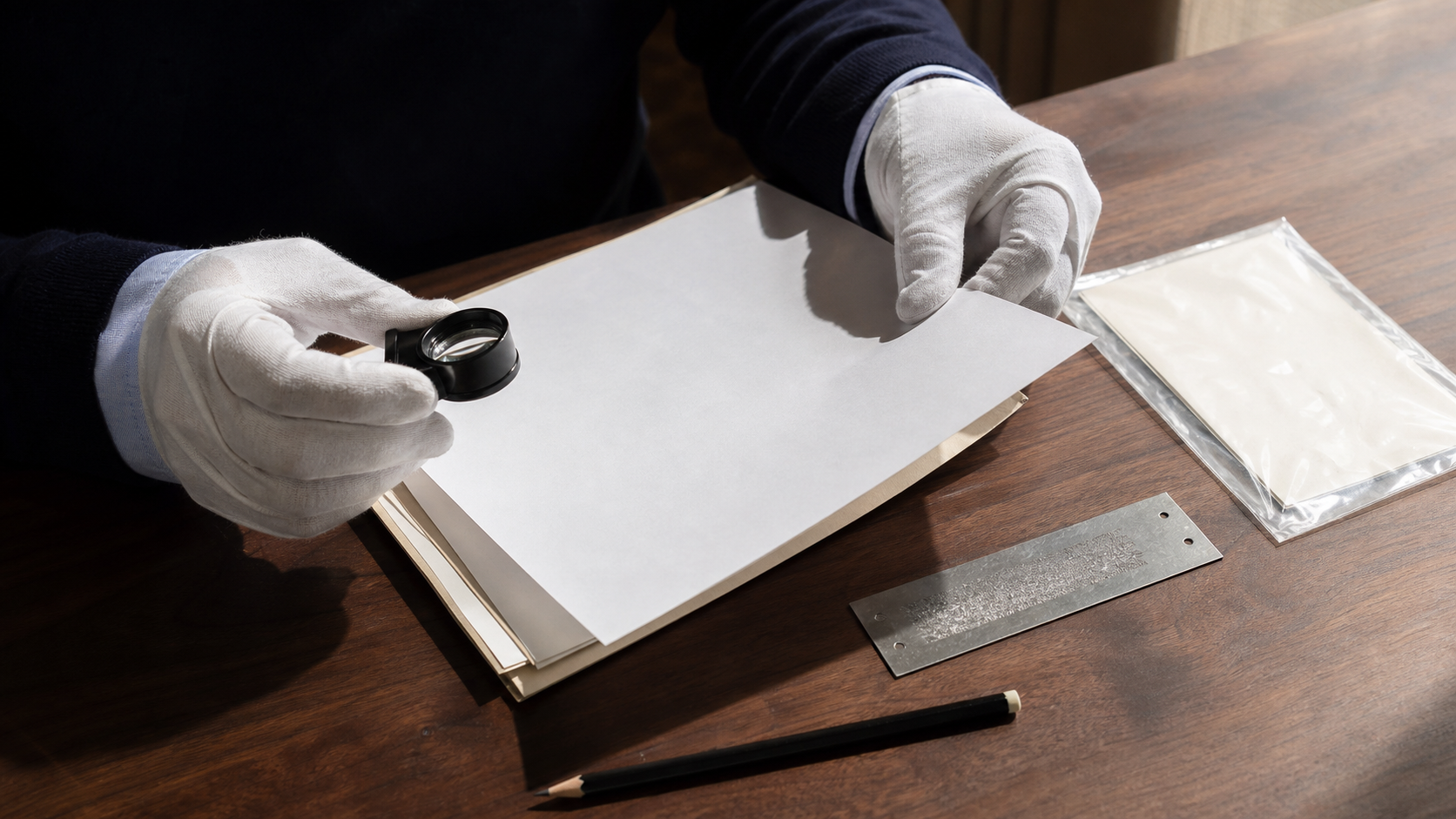
A catalogue can be thorough yet still incomplete for your decision. Look at the car coldly, observe alignments, the interior, visible underbody, numbers, tyres and storage marks. If you cannot attend in person, appoint an independent specialist rather than compensating with a cautious but blind bid.
4. Forgetting exploitable provenance
Provenance is only valuable if it can be explained and passed on. Request invoices, previous titles, certificates, expert reports, historical photos, correspondence and any restorations. To extend this method, read the latest PlethoreCars guides helps compare dossier habits by model.
5. Being carried away by the auction room
The auction creates a particular pressure: visible competition, fast pace, perceived rarity, fear of losing the car. Write down your ceiling before it starts, then add a simple rule: no bids beyond that, even if the lot seems to go just above. Discipline prevents turning a crush into a liquidity problem.
6. Underestimating the cost of getting the car running
A static car, even prestigious, may require tyres, fluids, battery, brakes, seals, servicing, alignment and diagnostics. The risk increases when recent usage history is thin. Always ask what has been done to make the car drivable, not just what has been restored in the past.
7. Ignoring transport constraints
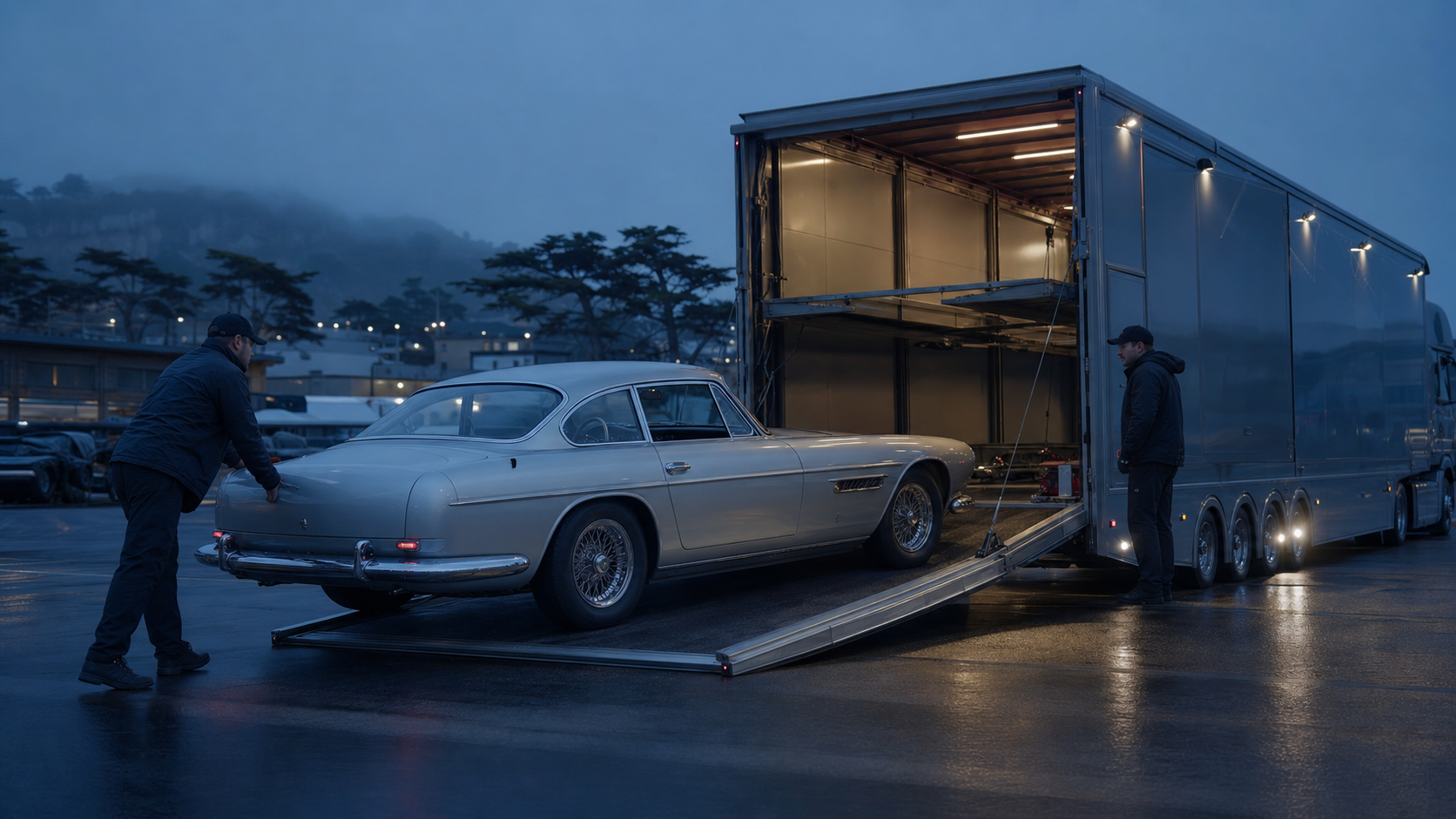
A car bought far from home must be insured, stored, collected and transported within the planned deadlines. Check who bears the risk at each stage, where the car will be delivered and what documents accompany the transporter. Poor logistics can be costly and delay registration.
Also ask if the vehicle can be moved under its own power or if it must travel on a closed trailer. This decision depends not only on the car’s value: it depends on its condition, the weather, available papers and your risk tolerance. A car that starts in the auction yard is not necessarily ready for a long journey.
8. Buying without an exit strategy
Before bidding, ask yourself how you will present the car to a future buyer. The qualities must be easy to summarise: configuration, history, condition, work done and coherence. If you are already thinking about a medium-term sale, preparing the sale of a premium car helps to build the dossier from the moment of purchase.
The exit strategy does not prevent you from enjoying yourself. It simply requires buying a story that can be passed on. If the future dossier can be summed up in a few clear sentences, with easily accessible proof, the car will be easier to defend to another enthusiast, a professional or a family member.
9. Confusing rarity with liquidity
A rare car is not necessarily easy to resell. Liquidity depends on the model, configuration, condition, demand, clarity of the dossier and starting price. Look at comparable examples, especially observing models already sold, to distinguish desire from the real market.
10. Not preparing for after-sale
The day after purchase, you must pay, insure, collect, check, organise the documents and decide on initial work. Prepare a list of actions before the sale. A successful auction purchase is not just a won bid; it is a car that then arrives with a clear plan.
Finally, prepare a reception inspection. Upon arrival, photograph the car, note visible defects, compare the dossier provided with the one consulted before the sale and plan the first safety operations. This step may seem administrative, but it creates the basis of the future history of your ownership. The same method applies upstream, during a purchase visit at Salon Privé.
Checklist before bidding
- Read the terms of sale and request clarification of unclear points in writing.
- Set a ceiling that includes fees, transport and recommissioning.
- Inspect the car or commission an independent specialist.
- Organise provenance documents before the sale.
- Prepare insurance, transport, storage and registration.
- Decide calmly if the car will remain easy to explain at resale.
FAQ
Can you buy a classic car at auction without seeing it?
It is possible, but risky. It is better to commission an independent specialist and request key documents before bidding.
Is the catalogue estimate sufficient to set your ceiling?
No. The ceiling must include fees, logistics, insurance, formalities and any immediate repairs.
When should you give up bidding?
Give up if the file remains inconsistent, if inspection is impossible, or if the terms of sale are not understood.
These tips remain general: always check documents, history, independent inspection, terms of sale and current market prices before deciding.