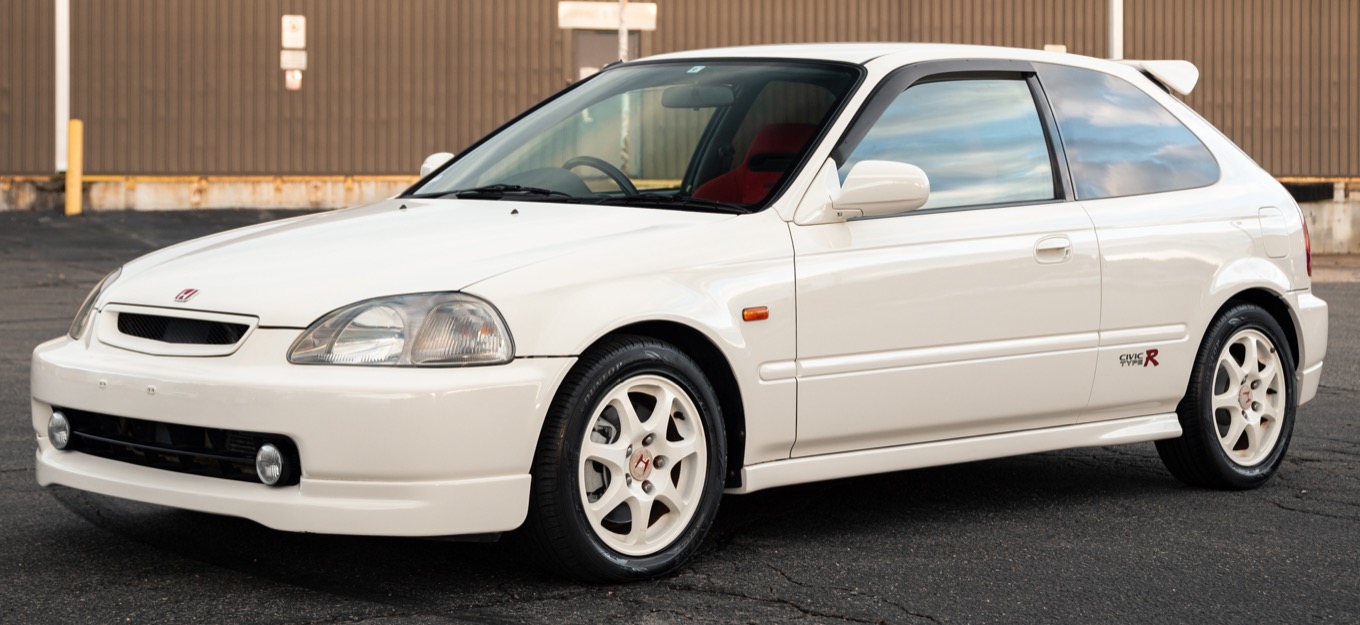
The first Honda Civic Type R EK9s built or first registered in 1997 will turn 30 in 2027. In France, that opens the possibility of registering an eligible car as a véhicule de collection. Before buying one, ask for three things: evidence of its date, a chassis number that matches its paperwork, and a record explaining any modifications.
Why the Civic Type R EK9 matters in Honda’s history
Honda launched the first Civic Type R in Japan in 1997, following the Integra Type R. Its naturally aspirated 1,595 cc B16B four-cylinder makes 185 PS at 8,200 rpm and is paired with a five-speed manual gearbox. That high-revving power delivery defines the EK9. Honda’s launch specifications give several weights. The car with power steering, air conditioning, ABS and an SRS airbag is listed at 1,090 kg.
The original brochure distinguishes the Type R from a version intended as a basis for competition. Honda’s retrospective also records the arrival of the Type Rx in 1999, with more comfort equipment. Check the year and specification before interpreting a missing or different feature as evidence of modification.
How to check whether you are buying a genuine EK9
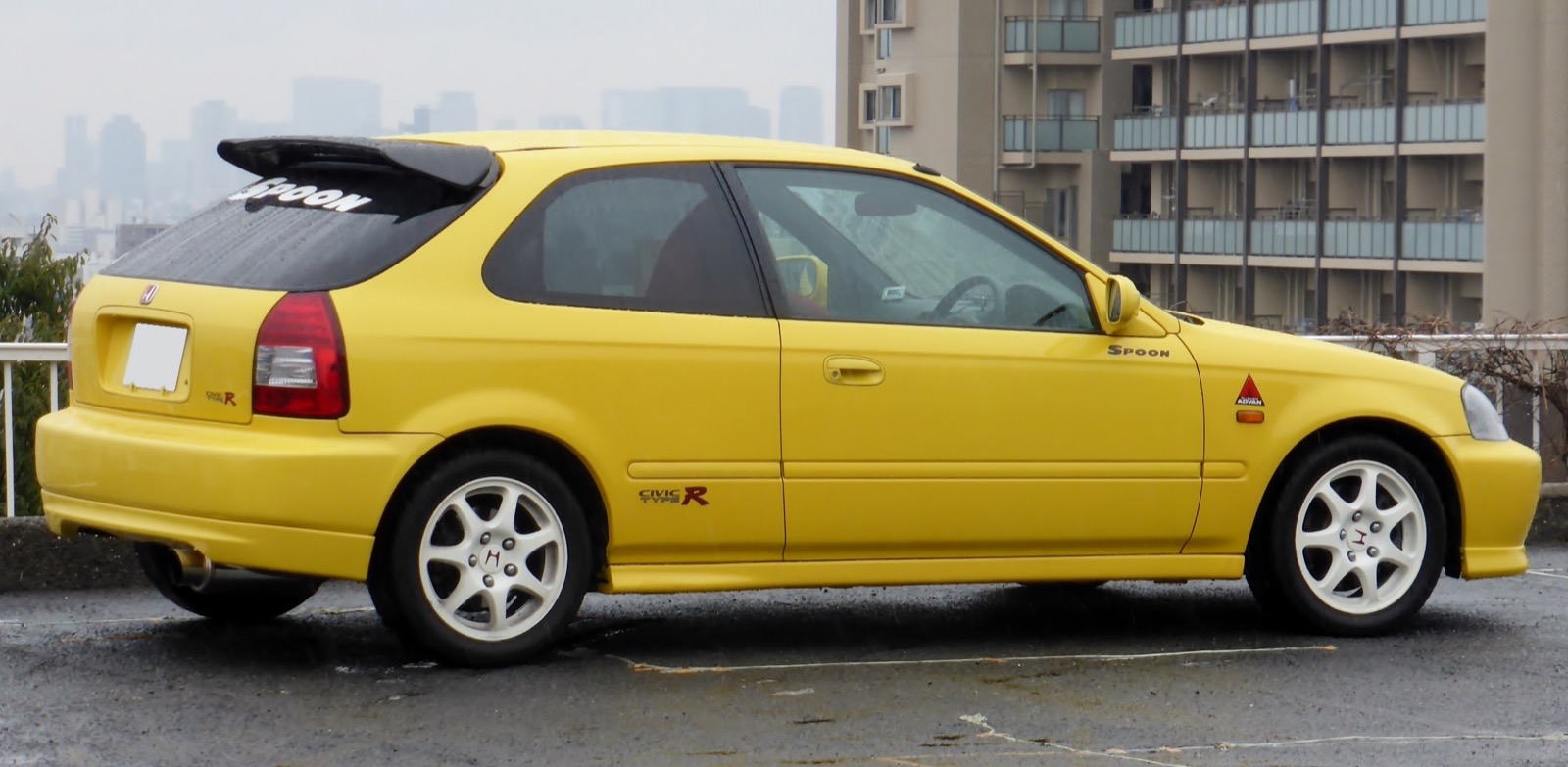
- Identify the shell. Ask to see the chassis marking and have it checked against the original Japanese documents and the French registration certificate, where available. Honda lists the launch model as type E-EK9. Red badges, a rear wing and sports seats can all be fitted to another Civic.
- Identify the engine. Ask for a photo of its marking and the relevant invoices. The B16B matches Honda’s specification. Its presence alone does not establish that it is the engine fitted to that shell at the factory.
- Account for modifications. Ask for a list of engine, suspension, brake, exhaust and interior changes. Establish both which original parts come with the car and which are currently fitted.
- Arrange an independent inspection. Ask to see a cold start and have the underside, jacking points and repair work inspected. On the test drive, check that the gears engage cleanly and note any noises or vibrations for diagnosis.
French historic registration in 2027: what evidence do you need?
Under the French Highway Code, the car must have been built or first registered at least 30 years earlier. Its type must no longer be in production and the car must remain in its historic condition, without substantial changes to its main components. A listing that simply says ‘1997 model’ does not establish the date of that particular car. Ask for proof before paying a deposit. For example, if the documented date is 10 October 1997, the car meets the age threshold on 10 October 2027 on that basis, subject to the remaining criteria and the rules then in force.
If the car is still on foreign papers, check the specific case and the documents needed before you buy. A certificate of dating and characteristics can form part of the application. The designation is confirmed when the registration certificate is issued. Read Article R311-1 of the French Highway Code, the Service Public guidance and the FFVE certificate guidance.
For context, see our selection of 1997 models turning 30 in 2027. If an EK9’s paperwork is still uncertain, compare it with the classic cars offered by Plethore Cars.
Frequently asked questions
Will every Civic Type R EK9 be 30 in 2027?
Only cars that can be shown to have been built or first registered in 1997 reach the threshold in 2027.
Does a replacement engine rule out French historic registration?
The replacement needs to be assessed against the original specification and its supporting paperwork. Have the case reviewed if the configuration has changed.
Does a red interior identify a genuine Type R?
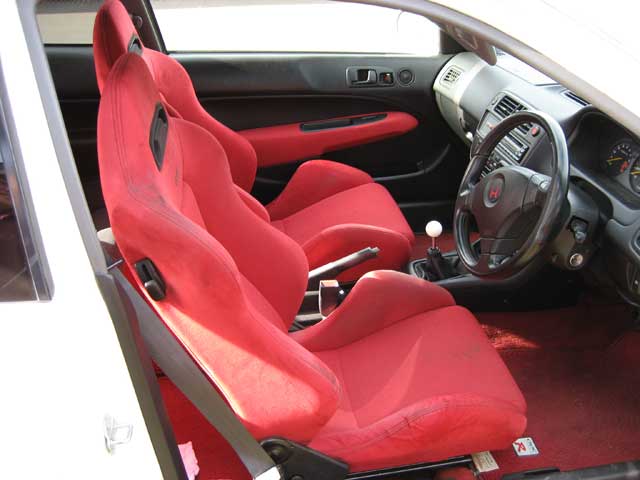
No. Start with the chassis markings and the matching documents. The interior provides a useful visual comparison.
Historical and technical sources: Honda’s 1997 specifications, American Honda’s timeline and Honda Global’s retrospective. Sources checked on 25 November 2026.
Lead photograph: Guyon, via Wikimedia Commons, CC BY 2.0, cropped by Commons and resized.