The Lexus LFA holds a unique place among modern supercars. Its appeal is not based solely on brand image or technical specifications: its interest lies in the coherence between design, materials, engine, tuning and driving experience. This uniqueness attracts collectors, but also makes selecting an example more demanding.
The short answer: a good used Lexus LFA is a car whose identity, maintenance, usage, storage and current condition can be linked without contradiction. Low mileage does not compensate for poorly managed long-term storage, incomplete documentation or a repair that is difficult to verify.
Understanding why the LFA requires a specific approach
The LFA stems from an ambitious manufacturer programme and uses an architecture and materials that require specialised knowledge. It is not enough to apply the checklist for a conventional sports car. The buyer must identify the skills capable of examining the car and ensuring its ongoing care.
Before any visit, comparethe supercars available on PlethoreCars. This comparison helps clarify the intended use: static collection, selected outings, travel or regular driving. The right example also depends on this intention.
Reconstructing the identity and configuration
Request a complete description of the delivery configuration, equipment, accessories, keys and documents. Colours and finishes may influence appeal, but must first be authenticated. Any discrepancy between the car, documents and archives deserves an explanation.
Check changes of country, owner and registration. An import is not a defect when it is transparent and administratively consistent. Conversely, a succession of poorly documented movements complicates insurance, maintenance and future resale.
Reading maintenance as a continuity
A stamped service book does not replace detailed invoices. Organise the operations by date and link them to mileage, periods of use and any immobilisations. Ask what motivated each intervention and who carried it out.
A car that has been little used must show how its storage was managed: battery, fluids, tyres, braking, environment and restarts. The aim is not to condemn storage, but to verify that it has not been confused with lack of maintenance.
Examining materials and previous repairs
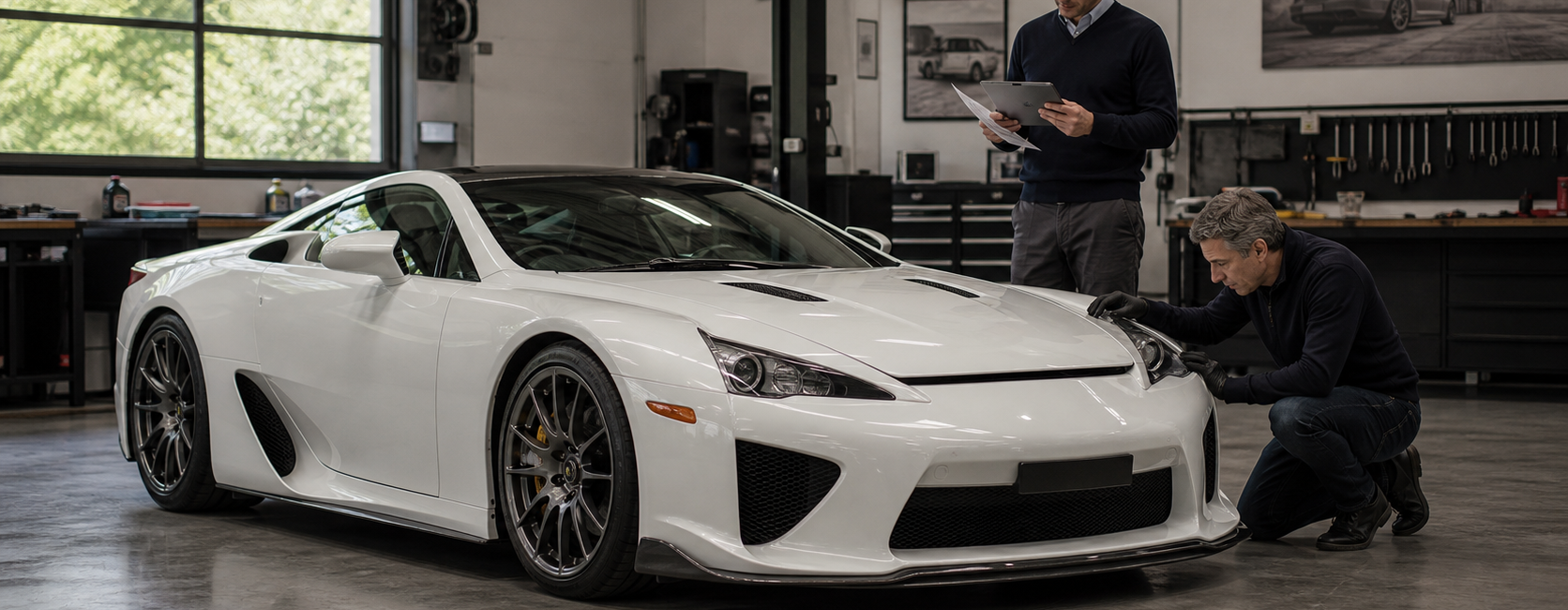
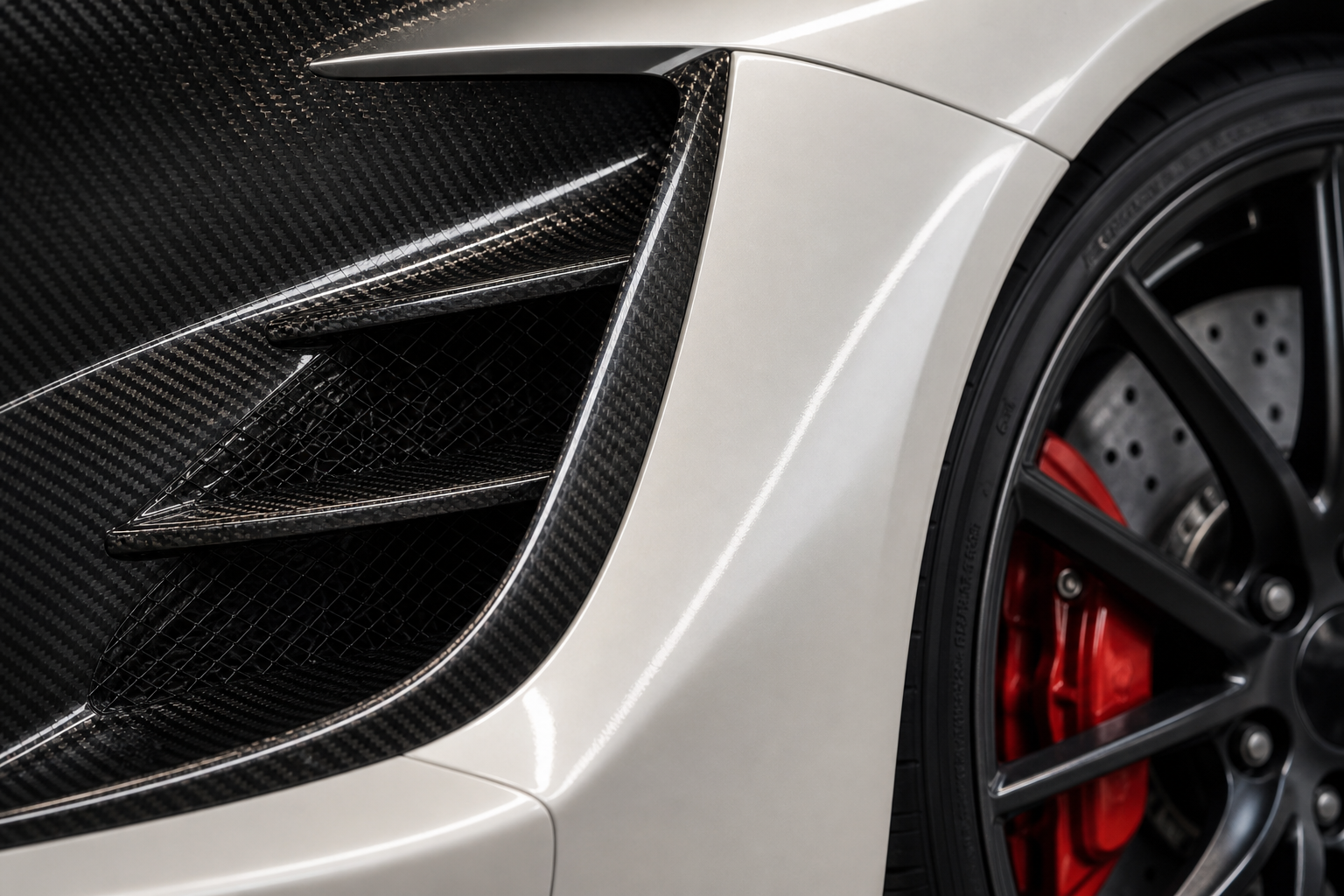
The bodywork and structure require a specialist familiar with composite materials and appropriate repair methods. An isolated paint measurement is not enough. Alignments, fixings, underbodies, exposed areas and signs of dismantling must be examined.
A documented repair may be acceptable if its extent, method and result are clear. Conversely, a glossy finish without documentation should lead to suspending negotiations. Photographs before work and references of the technicians involved are particularly useful.
Checking the interior and controls
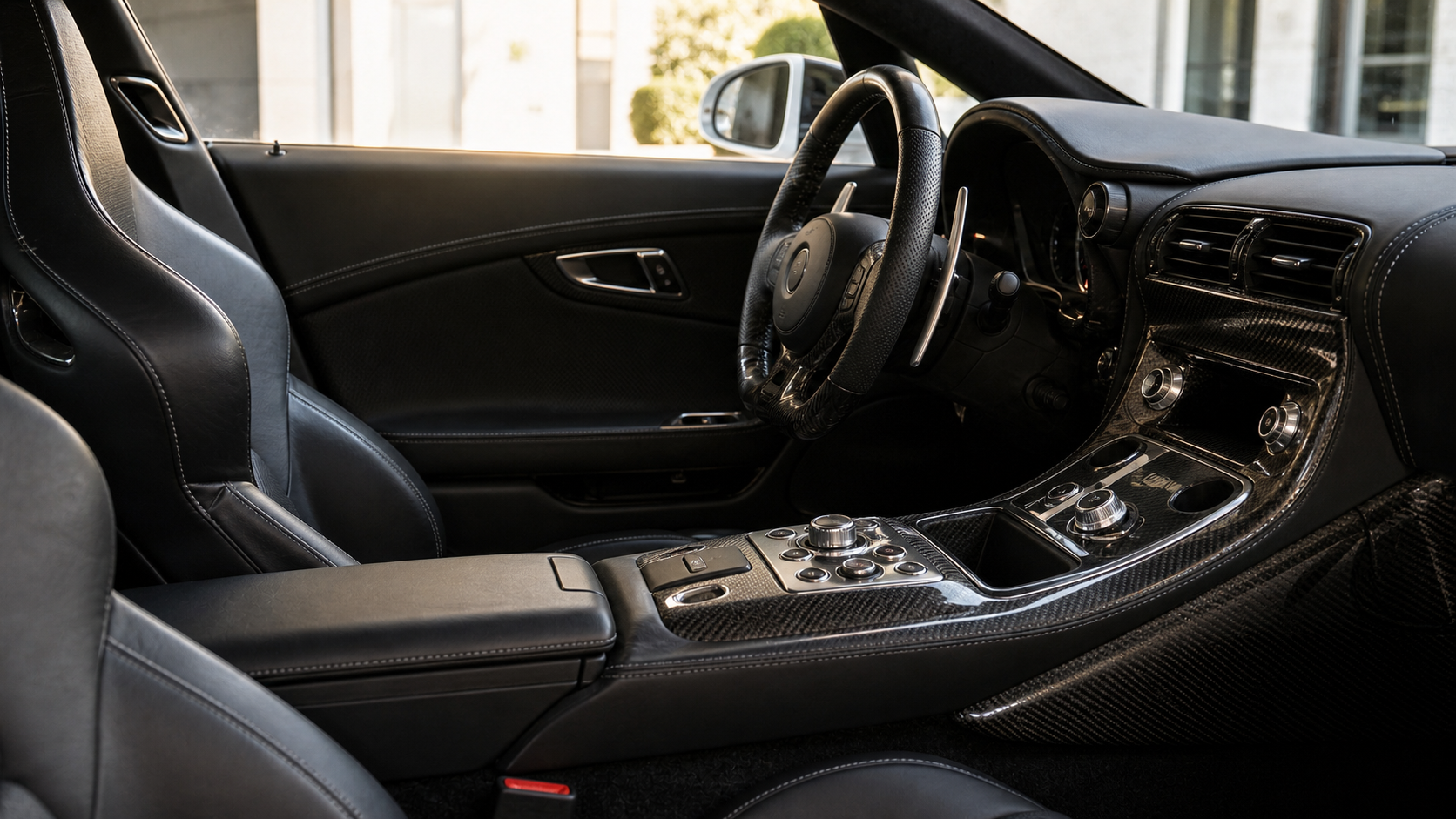
The interior condition must correspond to the mileage and declared use. Examine seats, steering wheel, controls, trims, sills and exposed surfaces. Localised wear may be normal; general inconsistency may reveal an incomplete history or cosmetic refurbishment.
Test each piece of equipment without haste. Dashboard messages, intermittent functions and missing accessories must be recorded. Request a full electronic diagnosis and keep the report with the purchase file.
Organising a Truly Informative Test Drive
The test drive should begin with a cold start, with the owner’s consent and in a secure environment. Observe the start-up, transient noises, operational stability, temperatures, transmission, steering, braking, and suspension responses.
It is not necessary to push the car harshly to detect inconsistencies. A specialist knows how to create reproducible conditions and interpret the sensations. Inspection on a lift, measurements, and diagnostics are more important than a spectacular impression on a short road.

Assessing Modifications and Their Reversibility
Exhaust, wheels, body protection, electronics or aesthetic elements must be listed. Request the original parts, invoices, and the installation method. A quality modification can improve usability, but it must remain understandable for the next buyer.
Reversibility protects future freedom. A modification difficult to undo reduces the number of buyers willing to accept it. Documentation should explain the choices without claiming they automatically increase value.
Comparing the LFA to Analogous Alternatives
The LFA should not be chosen solely because it is rare.Our analysis of the Audi R8 V10 presents a more widespread and familiar alternative.The Aston Martin V12 Vantage guide explores another interpretation of the naturally aspirated sports car.
Compare maintenance networks, availability of expertise, ease of use, ergonomics, exposure to minor damage, and resale strategy. The LFA may be the most emotional choice, but it must also suit how its owner wishes to keep and drive it.
Preparing for the Next Transfer from the Moment of Purchase
Digitise the file, photograph the initial condition, and keep records of every intervention. Thealready sold classic cars demonstrate the value of an easily verifiable history. The liquidity of a rare car also depends on how simply a new buyer can understand its life.
Finally, anticipate how toprepare the valuation of a rare automobile This reflection does not mean the car will be quickly resold; it ensures that maintenance and usage choices will produce transferable evidence.
Checklist Before Making an Offer
- Confirm identity, configuration, and accessories.
- Link invoices, mileage, usage and storage.
- Have the structure, bodywork and undercarriage inspected.
- Obtain an electronic diagnosis and a cold start test.
- Document every modification and its reversibility.
- Estimate the cost of work before negotiating.
Verdict: buy coherence, not a legend.
The Lexus LFA deserves its special status, but this status does not make all examples equivalent. The best purchase combines a clear history, a measured condition, credible maintenance and a configuration that the owner truly understands.
FAQ
Is a low-mileage Lexus LFA always preferable?
No. The consistency of the history, storage conditions, frequency of maintenance and measured condition matter more than isolated mileage.
Why check the bodywork with a specialist?
Because the materials, assemblies and previous repairs require expert assessment and precise documentation.
Are modifications penalising?
They must be evaluated according to their quality, reversibility, compliance and availability of original parts.
What should the file contain before purchase?
It should link identity, configuration, owners, maintenance, interventions, inspections, accessories and current condition without unexplained gaps.
These tips are general. Always verify documents, history, mechanical condition, compliance, independent inspection and current market conditions before purchase.