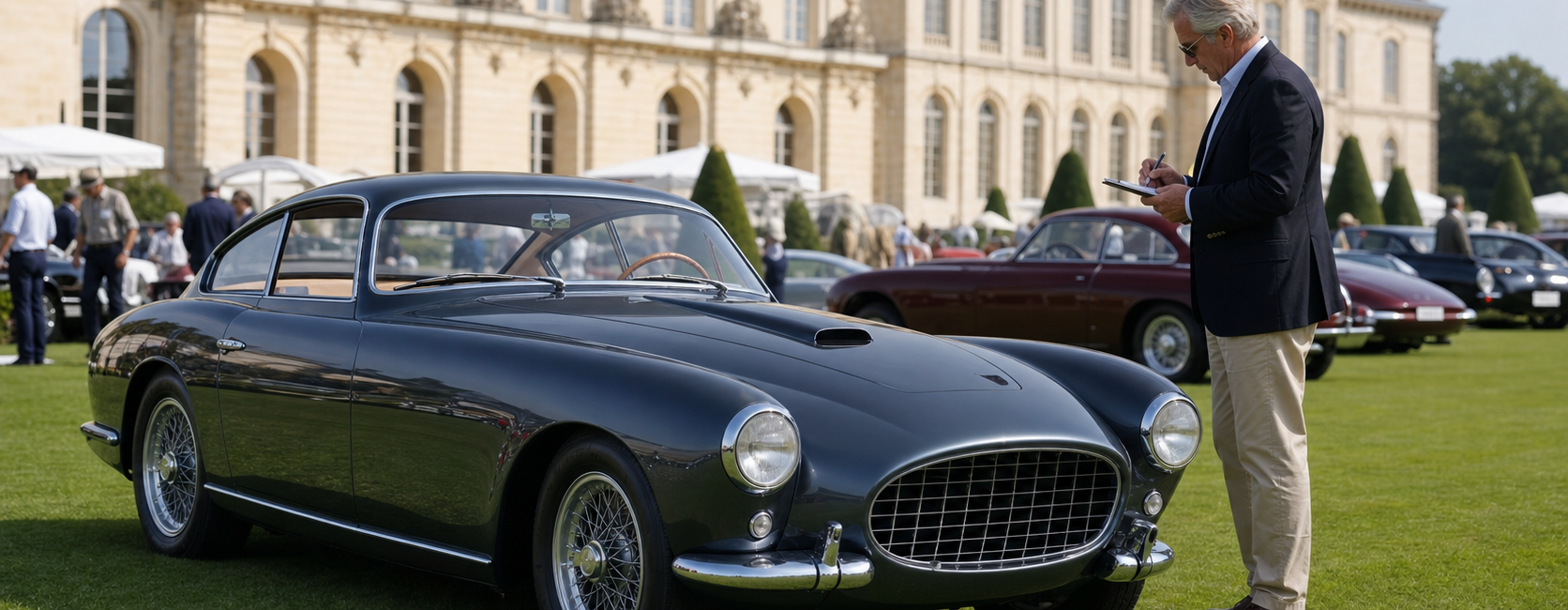
An elegance competition like Salon Privé attracts rare cars, experienced collectors, specialists and models that you don’t come across in an ordinary advertisement. For a French buyer, the interest is not only in seeing beautiful cars: it is to compare the files, restorations, provenance and the way a car is presented.
The short answer: prepare the visit like an audit. List the models to observe, note the questions to ask, distinguish concours cars from genuinely purchasable cars and keep a reference on comparing with the signals from Goodwood before turning a meeting into an opportunity.
Why Salon Privé matters for a buyer
Salon Privé takes place at Blenheim Palace from 2 to 6 September 2026 according to the official event calendar. The context is useful because it mixes concours, specialists, owners and manufacturers in an environment where presentation counts. A car appearing there is not automatically a good deal, but it can reveal an interesting level of care, network and documentation.
The event mainly allows you to calibrate your eye. By observing several cars close by era, use or philosophy, you better understand what makes the difference: old or recent restoration, original colour or personal choice, continuous or patchy file, desirable or hard-to-defend configuration.
Define your objective before entering
Before departure, write down your objective: buy in the short term, refine a shortlist, find a specialist, understand a restoration or prepare a future sale. Without an objective, the risk is to look at everything with the same intensity and leave with only impressions.
A collector looking for an English GT will not ask the same questions as a modern supercar enthusiast or an heir preparing a family sale. To keep a method, then compare your notes with read the latest PlethoreCars guides.
Read the presentation without being impressed
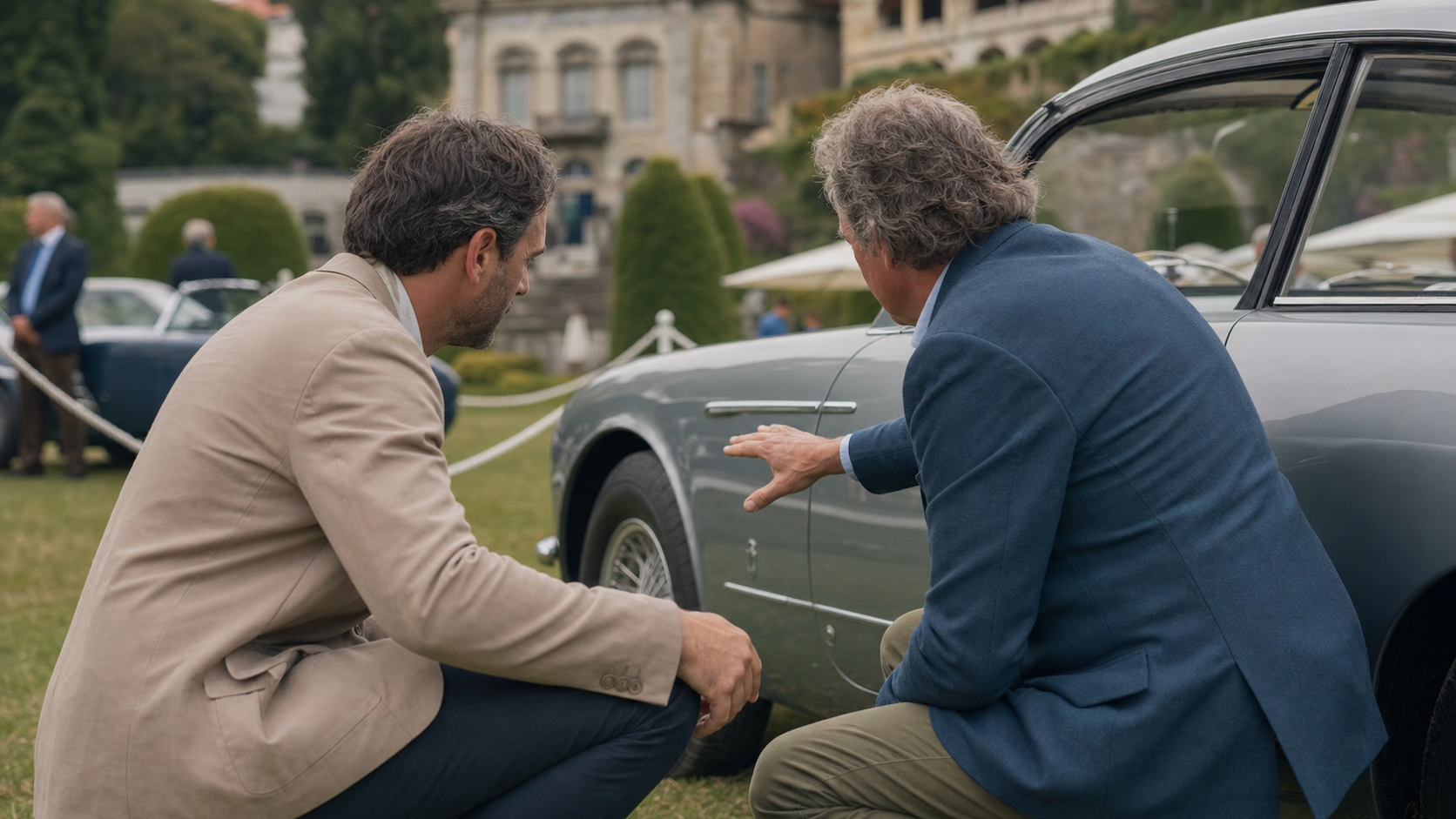
A car well prepared for an event can mask the points that matter when buying. Look at the coherence between bodywork, upholstery, accessories, tyres, documentation and the owner’s narrative. An impeccable presentation should open precise questions, not close them.
Ask what is original, what has been restored, who worked on the car, which parts have been kept and which invoices accompany the file. If the answer remains vague, note it. The prestige of the environment does not replace proof. The same reflex applies in a historic setting: what to observe at Mans Classic Legend 2026.
Identify the truly useful specialists
A premium event gives access to restorers, experts, clubs, auction houses and professionals. The goal is not to accumulate business cards, but to identify those who know your target precisely. Ask which weaknesses they look at first, which parts cause problems and which configurations are hardest to document.
This discussion can avoid a mistake later. A specialist who nuances their answers, distinguishes versions and refuses too quick certainties is often more useful than an exclusively enthusiastic speech.
Compare the visible cars with the market
A displayed car can become too strong a mental reference. After the visit, place it back in the market: condition, history, configuration, use, availability and probable resale delay. To keep a concrete reference, Prepare a budget before a major appointmenthelps to distinguish desire, rarity and liquidity.
Don’t just look for a valuation. Look for a defensible story. If you had to resell the car in a few years, could you explain in one page why it is coherent, well maintained and correctly positioned?
Questions to ask on site
- How long has the car been in the same collection?
- Which specialist currently looks after the model?
- What recent invoices accompany the presentation?
- Which original elements have been retained after restoration?
- Is the current configuration documented by archives or certificates?
- What real use is possible: road, concours, rally, simple preservation?
Avoid confusion between concours and purchase
A concours car sometimes aims for a level of presentation that does not correspond to your intended use. A car very prepared for exhibition may be less pleasant to use than a properly restored car designed for driving. Conversely, a less spectacular car may present a more readable history.
The right choice therefore depends on your project. If you are buying to drive, look for reliability of the file and quality of recommissioning. If you are buying to collect, look at rarity, traceability and the ability to preserve important elements.
Prepare for after the visit
That same evening, organise your photos, notes and contacts. Separate the cars to follow up, the specialists to call back and the questions left open. Do not contact a seller with an offer until you have reread your notes with a clear head.
If a car becomes genuinely interesting, prepare an independent inspection, a request for a complete file and an exit strategy. To structure this step, understanding the importance of a resale filealso helps to understand what a future buyer will expect from you.
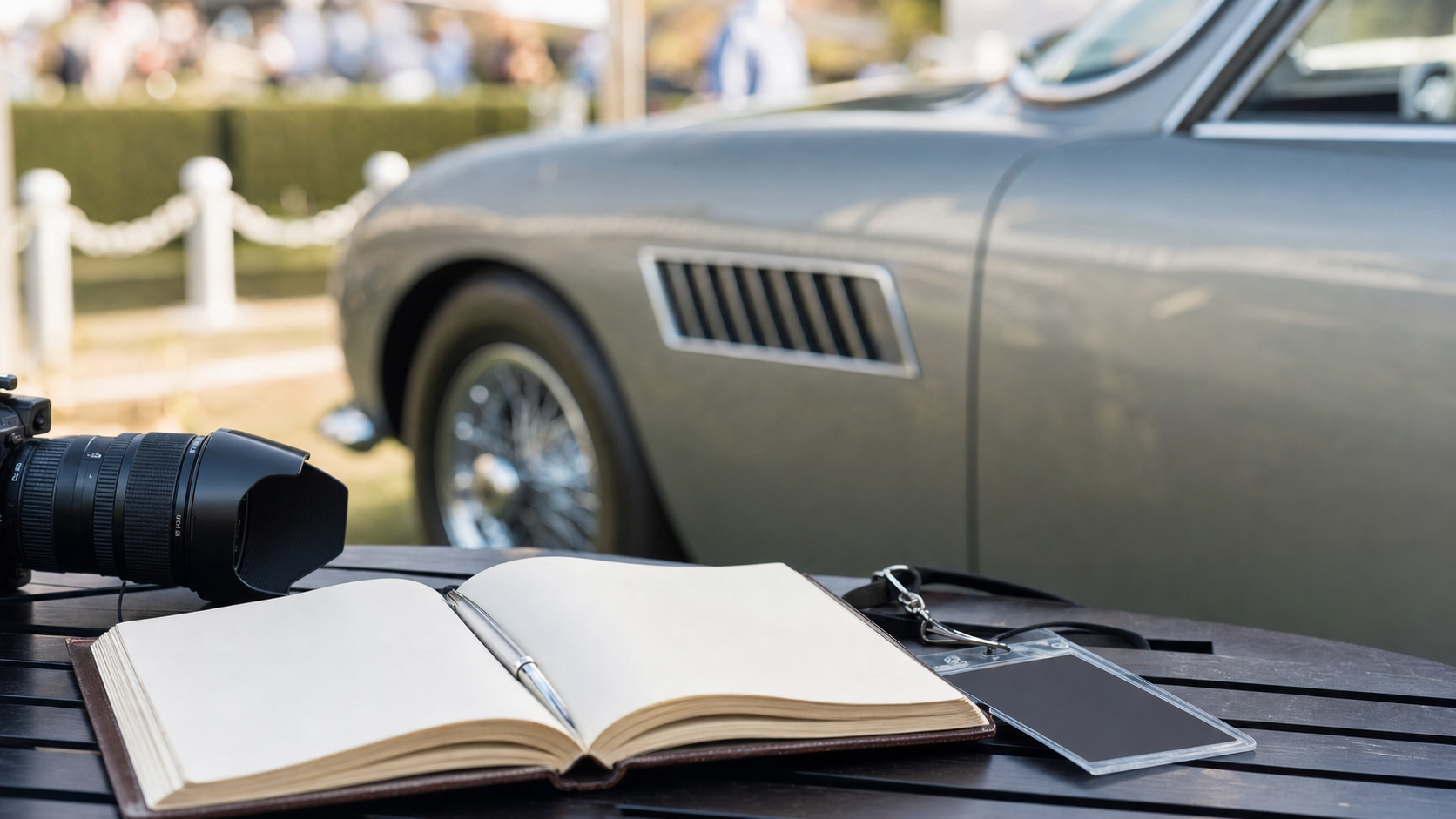
The right visit logbook
Keep one page per car observed: model, configuration, owner or professional met, documents seen, points to check and cold impression. This discipline seems simple, but it prevents mixing up memories after a busy day. This discipline also avoids the classic pitfalls of classic car auctions.
Finally, add a decision column: to follow up, to discard, to review with an expert or simple market reference. You thus transform the event into a usable working base rather than a photo album.
FAQ
Should you go to Salon Privé to buy directly?
Not necessarily. The event mainly serves to sharpen the eye, meet specialists, and prepare a better-informed decision.
Is a car displayed in a concours necessarily safer?
No. The presentation may be excellent, but the buyer must always verify the history, restoration, titles, inspection, and price consistency.
How should one make use of a visit after the event?
Organise your notes, request complete dossiers, compare with the market, and only pursue cars whose history remains verifiable.
These tips remain general: always check documents, history, independent inspection, terms of sale, and current market price before deciding.