Short answer:Never buy a BMW M1 solely on the promise of “Procar” or “Group 4”. Start by identifying the chassis, the original configuration, and the timeline of modifications. BMW clearly distinguishes the road-going M1 produced between 1978 and 1981, the M1 Procar entered in the one-make series from 1979 to 1980, and the cars adapted to other racing regulations. Heritage value lies in a proven history, not in a spectacular silhouette.
This dossier does not aim to provide a valuation nor to designate a universally superior version. It explains how to read the differences, ask the right questions, and avoid paying for a history that documents do not confirm.
The road-going M1 is the starting point
The BMW Group Classic sheet describes the M1 E26 as a mid-engined sports car powered by the six-cylinder M88. It is this common architecture that makes comparisons misleading: a road car, a Procar and a Group 4 share a strong visual identity, but their uses, bodywork, setups and histories are not interchangeable.
For a road car, first check the consistency between the chassis number, paint colour, interior, engine, gearbox, running gear and delivery documents. An old modification is not automatically negative. However, it must be dated, attributed and linked to invoices or photographs. Ourour overview of exceptional BMWsprovides the context; it does not replace this individual identification.
The Procar belongs to a specific series
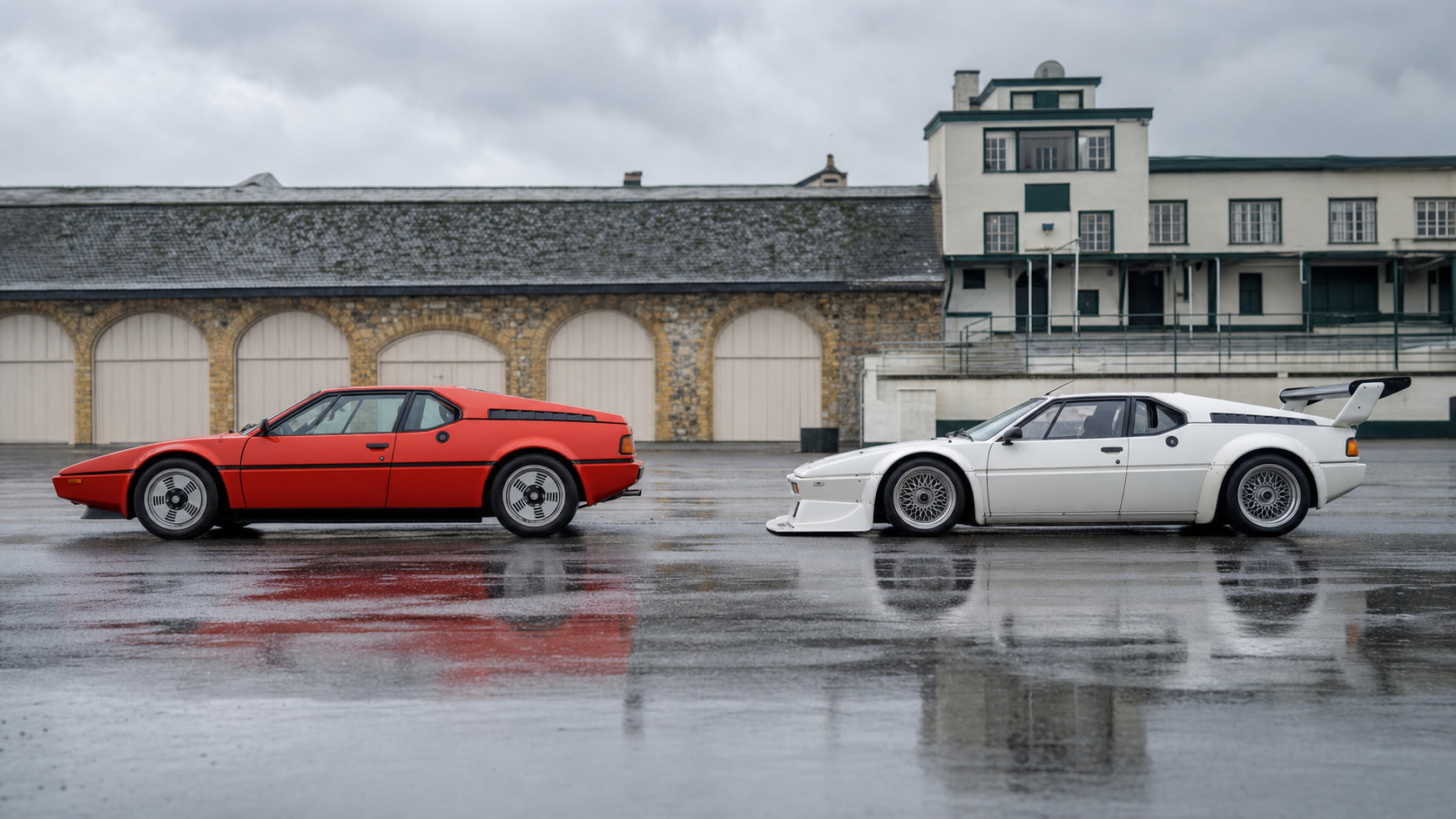
BMW M places the Procar series in 1979 and 1980, alongside the European Grand Prix races. The official page also describes widened wings, a large rear spoiler and a front end modified compared to the road car. These clues help guide an inspection, but they are not sufficient: the same visual codes can be reproduced in a later conversion. Munich is now replaying this stylistic break withthe Concept M Neue Klasse.
Request race sheets, team assignments, results, dated photographs, part numbers and the succession of owners. Look for consistencies rather than a spectacular isolated document. A period photo without a legible number, an added plate or a famous livery alone does not allow a history to be attributed.
Group 4 and racing evolutions require a chronology
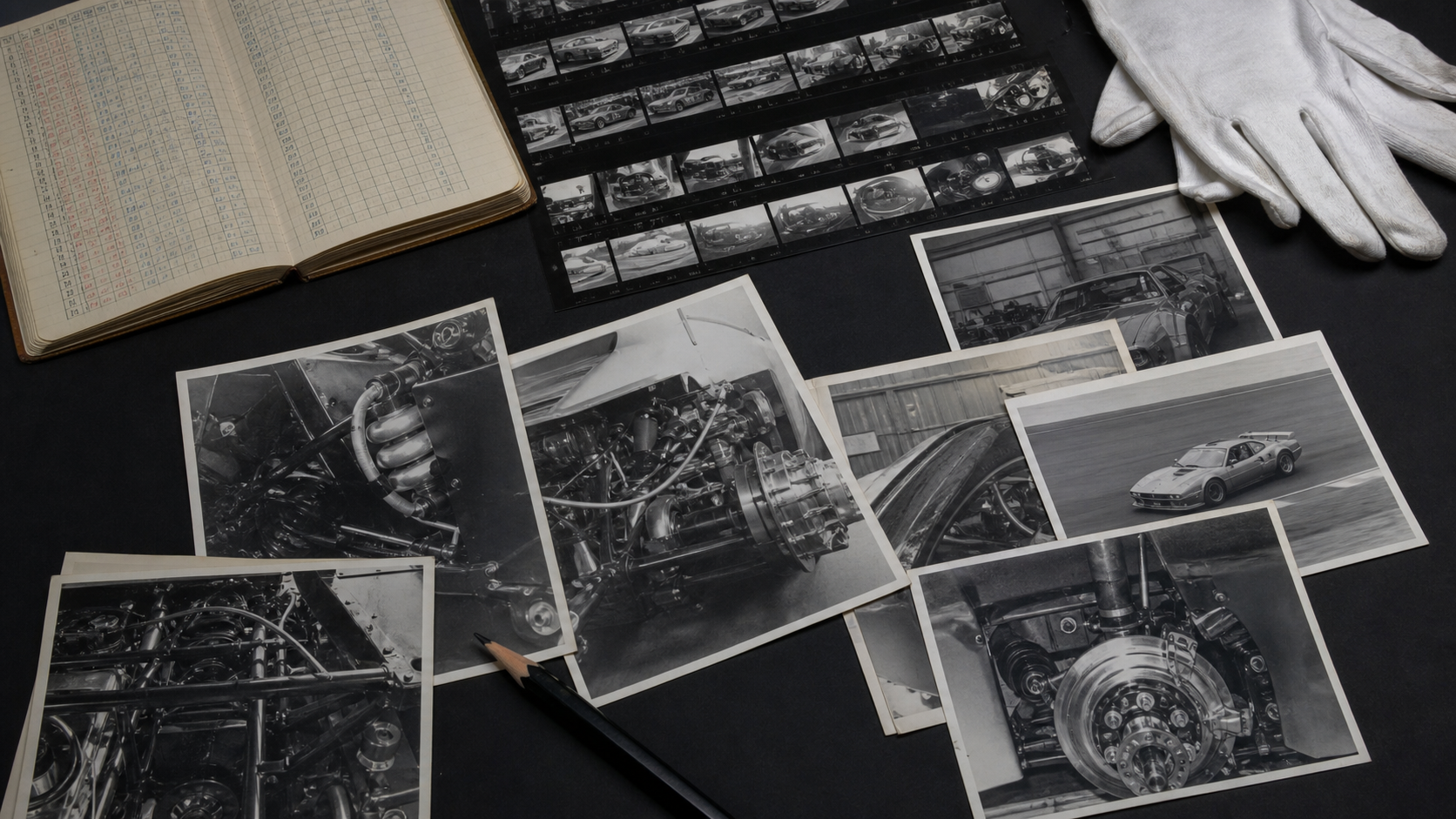
BMW explains that the M1 was developed as part of Group 4 homologation and that some cars were then adapted for competition. The term “Group 4” must therefore be accompanied by a date, a preparer, a targeted regulation and a record of modifications. Without these details, it describes an appearance or an intention, not a verified identity.
Reconstruct the stages: factory delivery, first preparation, entries, any accidents, rebuilds, engine changes, shell replacements or later compliance updates. Each break must be explained. A rebuild can be historically legitimate, but the buyer must know which material, which numbers and which documents have survived over time.
Compare the three families without artificial hierarchy
| Family | Main asset | Risk to control | Buyer profile |
|---|---|---|---|
| Road-going M1 | Original use and configuration | Aesthetic conversion or incomplete history | Collector who wants to drive |
| M1 Procar | History in the one-make series | Unproven attribution | Competition collector |
| M1 Group 4 or evolution | Specific sporting background | Poorly dated successive modifications | Buyer prepared to manage a racing car |
The right version depends on the intended use. A coherent road car may be preferable for touring rallies and road use. A genuine Procar appeals to those who prioritise the series’ history. An evolved competition car can offer a unique journey but demands more skills, logistics and checks.
Inspect the car beyond the numbers
An attractive identity does not exempt you from a technical examination. Arrangeto organise the inspection of a classic carwith an expert familiar with the chassis, engine, transmission, brakes and model-specific parts. For a racing car, add checks of safety components, tanks, mountings, wiring loom and compliance with the intended use.
Have accessible references recorded before dismantling. Photograph markings and current condition. Ask which parts are original, reproduced, replaced or modified. This distinction is essential toweigh up originality versus modificationwithout turning a personal preference into market truth.
Build a dossier before discussing price
The final dossier should include an identity sheet, a chronology, ownership documents, expert reports, invoices, historic photographs, a record of numbers and a list of still uncertain areas. Ask the seller to distinguish confirmed facts, hypotheses and orally transmitted stories.
Only make your offer after this phase. The price must reflect possible use, immediate work, conservation costs, availability of expertise and strength of evidence. To understand how another rare BMW built its status, rereadthe history of the BMW 507.
BMW M1 Checklist before commitment
- Identify the chassis and the initial configuration.
- Have the claimed category confirmed by a competent source.
- Link each evolution to a date, an author and evidence.
- Compare numbers, invoices, photos and race results.
- Have the structure, powertrain and safety inspected.
- Assess the actual use: road, demonstration, circuit or exhibition.
- Record uncertainties in the contract and the file.
FAQ on BMW M1 versions
Can a road-going BMW M1 have a Procar appearance?
Yes, the bodywork or livery may have been modified. Appearance therefore does not prove either a racing identity or a Procar history.
Which document should be requested first?
Request a chronology linked to the chassis number, then have the key elements confirmed by BMW Group Classic or a recognised specialist.
Are a M1 Group 4 and a Procar identical?
No. The terms refer to different contexts and configurations; the precise car and its evolution must be identified.
Should a totally original M1 be preferred?
Not systematically. An authentic and documented racing evolution can make sense, but it must be understood, dated and verified.
Conclusion: buy a demonstrated identity
Road, Procar or Group 4: the right purchase is one whose identity, transformations and future use correspond. Have documents, history, condition and current prices checked by competent professionals. A spectacular M1 attracts the eye; an intelligible M1 protects the decision.