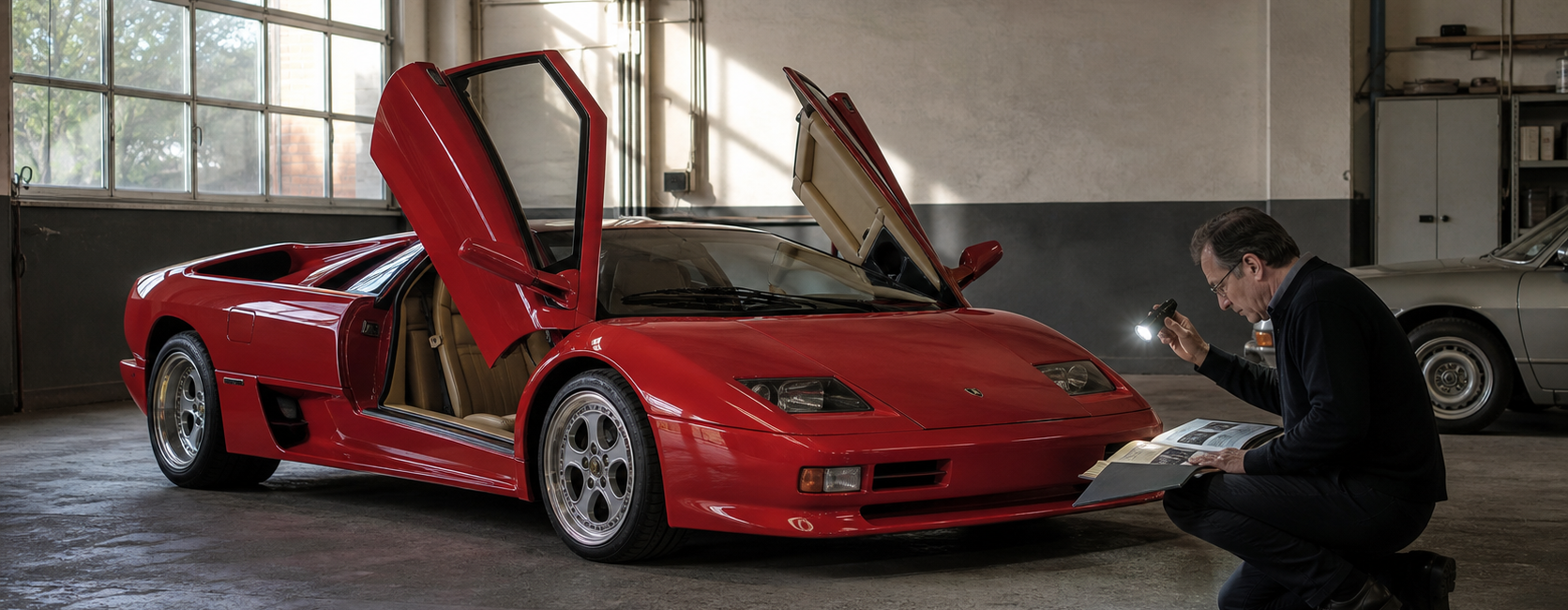
The Lamborghini Diablo holds a special place in automotive imagination. Its design, scissor doors and V12 engine make it an immediate icon. However, this visual impact can sometimes mask a collector’s reality: the cars have experienced very different lives, modifications, changes of country and sometimes insufficiently documented repairs.
The short answer: before buying a Lamborghini Diablo, you need to reconstruct its identity and chronology before discussing its price. A compliant car, accompanied by consistent documents and inspected by a specialist, will be easier to maintain, insure and resell than a spectacular example whose history contains grey areas.
Precisely identify the version presented
The name Diablo covers several evolutions. The bodywork, transmissions, interiors, equipment and exterior details change according to the years and markets. Do not be satisfied with the rear badge or the commercial description. Request the full identification and compare it with the car’s documents.
Compare visible elements with reliable archives: bumpers, air intakes, wheels, lights, upholstery, instrumentation and mechanical layout. A different part may correspond to an old repair, an upgrade or an aesthetic transformation. Every discrepancy must be explained.
Reconstruct the ownership chronology
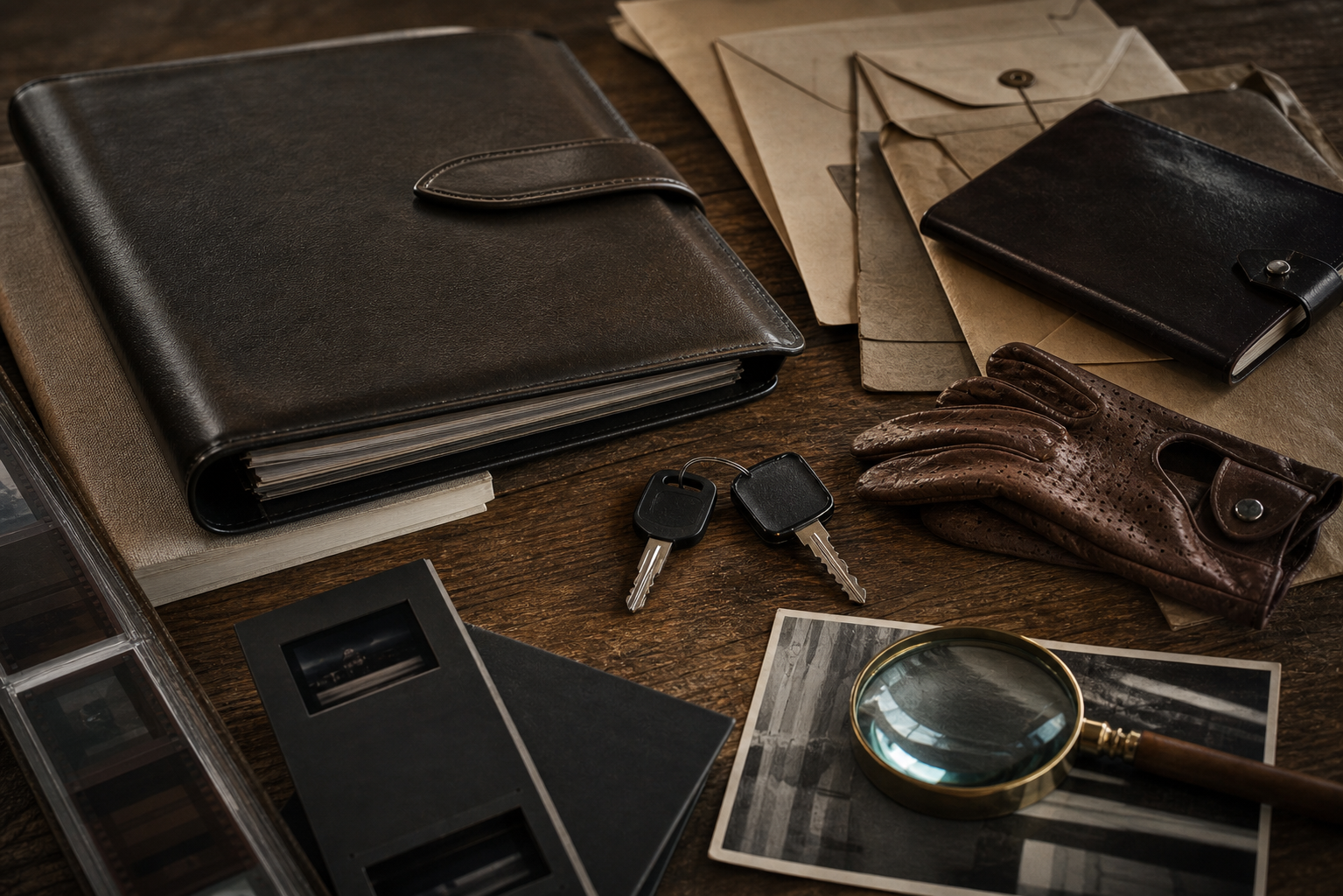
Create a timeline from invoices, certificates, inspections, registrations, old photos and archived advertisements. Note changes of country, periods without documents and mileage variations. A break is not proof of a problem, but it requires investigation.
Sales catalogues and specialist files can complement the history. Also consultclassic cars already soldto observe how a clear file facilitates understanding of a rare car.
Verify authenticity and conformity
The chassis identity must correspond to all documents. Plates, markings and labels must be examined by someone familiar with the model. For an important car, manufacturer archives and heritage services can provide an additional level of proof.
List modifications: paint, interior, exhaust, suspension, wheels, electronics, body parts and adaptation to another market. Ask if the original parts still exist. Our filerestomod or originalexplains why reversibility and documentation directly influence value.
Examine bodywork, structure and previous repairs
A shiny paint does not guarantee alignment or quality of past work. Measure panels, inspect gaps, fixings, glazing, underbody and hard-to-access areas. Look for signs of dismantling, differences in finish and undocumented repairs.
The doors must operate without abnormal effort and maintain regular alignment. Specific parts can be long to find; therefore, identify before purchase missing, adapted or damaged elements and obtain a realistic estimate of their replacement.
Check the mechanics with a specialist
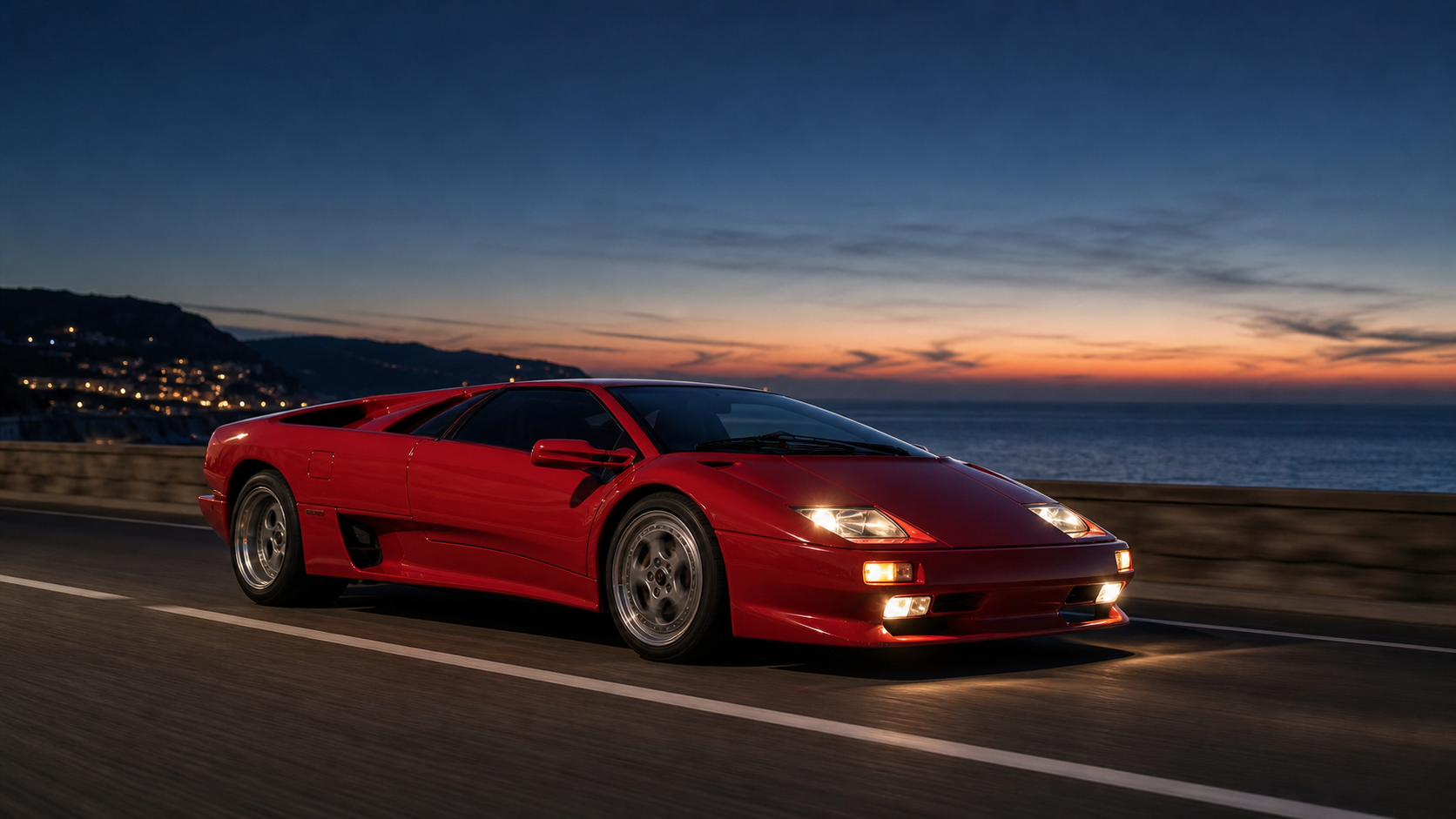
The test drive should begin with a cold start and continue until the engine reaches normal operating temperature. Observe the starting process, idle, pressure, cooling, clutch, gear selection, steering, brakes, and suspension behaviour. A visual inspection without a test drive is insufficient.
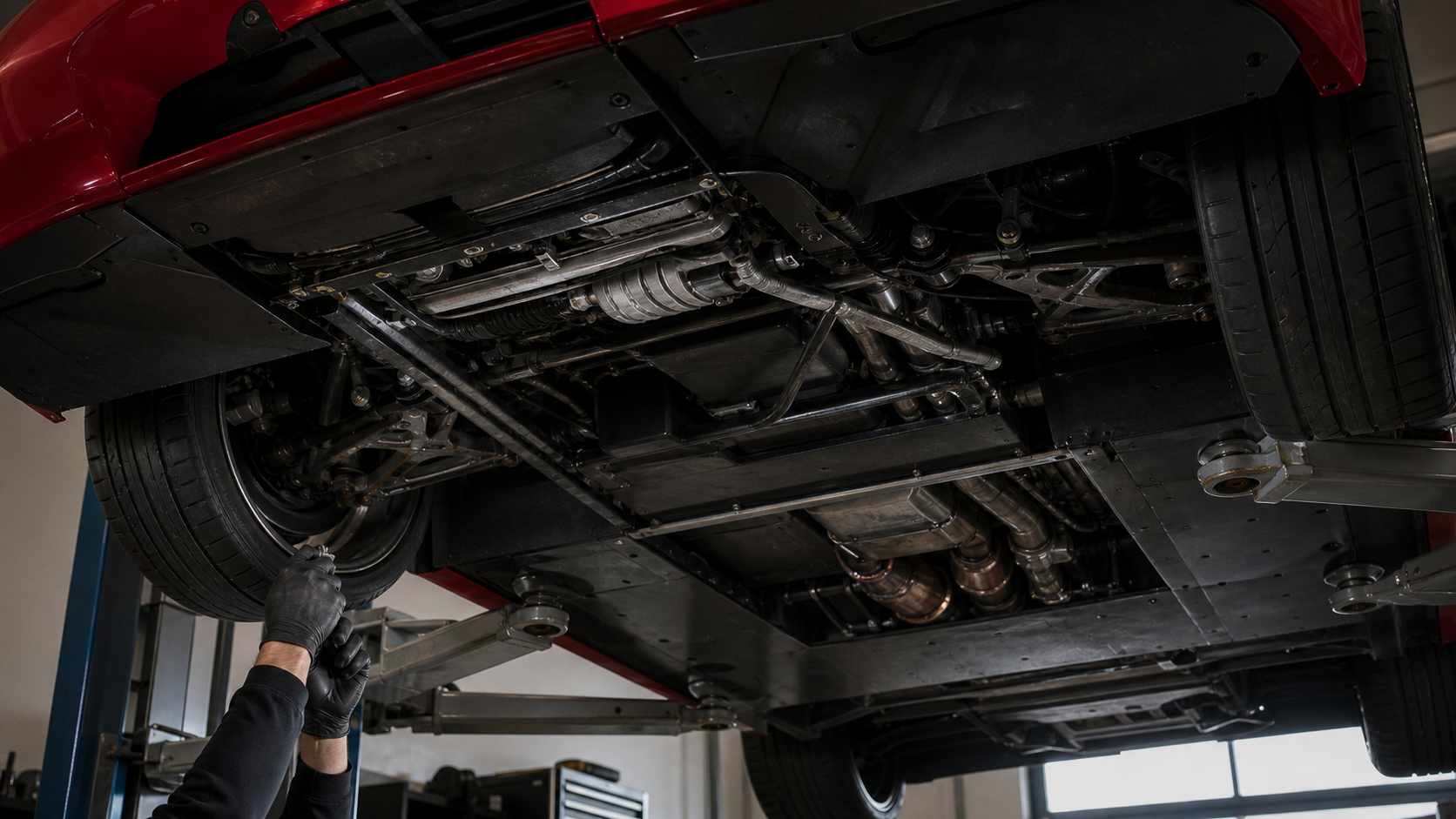
Request an examination on a lift, a search for leaks, and an analysis of recent work carried out. A substantial invoice can be reassuring only if it corresponds to an identified need and if the operations are traceable. The purchase budget should retain a reserve for defects discovered after initial use.
Assess parts, tools and accessories.
Inventory the keys, manuals, tool kit, spare wheel or repair kit, cover, any luggage, delivery documents and replaced parts. These items do not make the car run, but they strengthen the coherence of the file and reduce disputes during resale.
Before concluding, examine the Lamborghinis offered on PlethoreCars. The comparison should focus on the version, provenance, condition and work done, not just the listed price.
Prepare for resale from the moment of acquisition.
Photograph the initial condition, scan the documents and keep every invoice. Note the part references and the identity of those involved. A well-managed collection turns maintenance into proof, rather than leaving the next buyer guessing what has been done.
The Lamborghini brand has evolved, as shown by our Lamborghini Huracán Sterrato comparison, but the logic remains the same for a rare car: identity attracts, documentation supports value.
Final checklist before making an offer.
- Identify the version, original market and delivery configuration.
- Cross-check chassis, documents, owners and mileage.
- Have every modification and repair explained.
- Inspect the car on a lift and begin the test drive cold.
- Estimate the cost of missing parts and deferred work.
- Check accessories, keys, manuals and original parts.
- Condition the offer on the inspection results.
Verdict: buy the car and its evidence.
A Lamborghini Diablo is not a purchase to secure with a simple aesthetic inspection. Its value depends on the agreement between its identity, history, current condition and the documents capable of linking these elements.
The best example is not necessarily the most restored nor the lowest mileage. It is the one whose qualities and flaws are known, quantified, and transferable to the next owner. At the time of sale, a specialist can assist in enhancing the sale of a rare car with the expected level of documentation.
FAQ
How to verify the provenance of a Lamborghini Diablo?
Cross-check the chassis identity, delivery documents, invoices, owners, photographic archives, and data available from brand specialists.
Can a modified Diablo remain collectible?
Yes, if the modifications are documented, reversible, and accompanied by the original parts. Conversions that are difficult to undo often reduce the clarity of the file.
Should you prefer a low-mileage car?
Not necessarily. A car that has been regularly maintained and used may present fewer risks than an example left unused without consistent follow-up.
Why is an independent inspection essential?
Because the bodywork, mechanics, specific parts, and previous repairs may require significant work that is invisible in an advertisement.
These tips are general. Always verify the documents, history, authenticity, mechanical condition, compliance, independent inspection, and current market prices.