It is possible to lend a classic car occasionally, but only after verifying that the driver, the use, and the journey are authorised by the insurance policy. The liability insurance protects third parties under legal conditions; it does not mean that damage suffered by the classic car, the driver, or their accessories will be fully compensated.
For a rare or expensive vehicle, a simple “you can drive it” is not enough. Ask the insurer for written confirmation, record the borrower’s identity and driving licence, explain the mechanical peculiarities, and establish a condition report of the vehicle. An increased excess, an exclusive driving clause, or a restriction related to the driver’s age can turn a friendly loan into a very costly claim.
Quick answer: before handing over the keys, reread the special and general conditions, check the driver’s licence, age and experience, specify the intended use, request in writing the amount of the “steering loan” excess, and confirm the damage, driver, assistance, and vehicle value cover.
Information verified on 24 September 2026 for a vehicle insured and used in France. Cover varies from one policy to another: only your insurer’s written response commits them regarding your specific situation.
Can you lend a classic car to a relative?
Yes, if the policy allows it.Service-Publicreminds that an occasional loan to a friend or family member requires a valid driving licence and use in accordance with the policy conditions. The owner must therefore check the clauses before departure, not after an accident.
A policy may provide for:
- loan without particular restriction;
- loan authorised with a higher excess;
- loan limited to specifically named drivers;
- exclusion of novice drivers or those under a certain age;
- exclusive driving by the policyholder;
- permitted uses limited to leisure, outings or specified events.
So-called “classic” insurance is not a single legal regime. Each company sets its own conditions regarding vehicle age, mileage, garage, daily use, driver and sometimes ownership of another vehicle. The official fact sheet on classic vehicle insurance expressly states that the insurer may impose more restrictive conditions.
The vehicle is insured, but not automatically all its uses
Article L. 211-1 of the Insurance Code requires coverage of civil liability related to the use of a motor vehicle. This cover primarily serves to compensate third parties who suffer damage caused by the vehicle.
It must not be confused with optional coverages: all-risk damage, theft, fire, glass breakage, assistance, legal protection or driver bodily injury coverage. If the borrower alone damages the car, the compensation for the classic vehicle depends on the coverages subscribed to, exclusions, the deductible and the value agreed in the contract.
| Question | Where to look for the answer? | Risk if it remains unclear |
|---|---|---|
| Is the driver authorised? | Special conditions and loan clause | Increased deductible, limitation or recourse depending on the case |
| Is the use covered? | Declared use: leisure, journey, event, work | Coverage disputed for undeclared use |
| Is the car itself covered? | Damage cover and insured value | Repair or total loss insufficiently compensated |
| Is the driver protected? | Driver bodily injury coverage | Bodily injury damages little or not covered by the motor insurance contract |
| Does assistance intervene? | Distance, breakdown, towing and approved garage | Inadequate breakdown assistance for a low or fragile classic car |
The five clauses to check before handing over the keys
1. The authorised driver
Ask if the loan is permitted to this specific person. Provide their age, date of obtaining their licence, insurance history if the insurer requests it, and the expected frequency. A driver who has held their licence for only a short time may trigger a specific deductible, even when the loan remains authorised.
Do not confuse occasional driver with secondary driver. The former uses the car rarely; the latter drives it regularly and generally must be declared. If the loan is repeated or lasts several weeks, contact the insurer to modify the contract rather than artificially maintaining the “occasional” label.
2. The use and the journey
Specify whether the car will be used for a drive, a wedding, a photo shoot, a commute, a tourist rally, circuit driving or travel abroad. Classic car insurance policies may exclude or restrict certain uses.
Participation in a static gathering is not equivalent to a timed event. A tourist road open to traffic is not a track. Request specific confirmation whenever the route, organiser or use deviates from the usual private drive.
3. The steering wheel loan excess
An additional excess may apply when the driver is not named on the policy or is considered inexperienced.France Assureursreminds that the excess may be increased when the loaned vehicle causes an accident.
Ask for the exact amount in euros and the identity of the person who will be liable. A phrase such as “loan authorised” does not necessarily mean the excess remains the same.
4. The value of the car
A rare vintage car, restored or modified, can be difficult to compare after a claim. Check the contractual definitions of declared value, agreed value and expert-assessed value. Our feature on the agreed value and declared value of a classic car explains why the amount stated at subscription is not always a guaranteed compensation.
Keep a recent expert report, photographs, restoration invoices, identification numbers and a list of accessories. You can also estimate the value of your car for free to have a market benchmark, then have the insurer accept the appropriate contractual basis.
5. Assistance and towing
A vintage car does not load like a modern vehicle. Ground clearance, towing points, automatic gearbox, handbrake or bodywork may require a flatbed and special precautions. Check the minimum intervention distance, towing destination and coverage limit.
Our guide to transporting a classic car details the joint condition report, securing and value declaration when the car must travel on a truck.
How to prepare the occasional driver?
A classic car can surprise a driver used to modern aids. Before setting off, carry out a stationary familiarisation then a short accompanied drive. Explain clearly:
- the position and travel of the choke control;
- starting the engine when hot and cold;
- the gearshift pattern, the possible lack of synchronisation and the effective engine speed;
- the steering effort without power assistance;
- the braking distance and the absence of ABS;
- the behaviour on wet roads and the available power;
- the normal temperature, oil pressure and warning lights;
- the fuel to be used and the realistic range;
- the procedure in case of breakdown or overheating.
Do not lend a car if there are doubts about the tyres, brakes, lighting or steering. The driver must be able to properly adjust their seat, reach the pedals and see in the mirrors. Some classic cars require adaptations that cannot be improvised on a busy road.
Is it necessary to draw up a loan agreement?
For a short accompanied drive, an agreement is not always necessary. It becomes useful for a loan without the owner present, for several days, or for a valuable car. It does not replace the insurance contract but sets out the facts and responsibilities agreed between the parties.
The document may mention:
- the identity of the owner and the driver;
- the vehicle, its registration and serial number;
- the dates, times, mileage and area of use;
- the authorised use and prohibited uses;
- the fuel level and condition at the start;
- the accessories, spare keys and documents handed over;
- the conduct to follow in case of breakdown or accident;
- the agreed distribution of the excess, without intending to alter the rights of victims or the insurer.
Photograph the car from four angles, the wheels, the windscreen and the interior. Note any existing defects. This traceability protects both parties against later disputes over scratches or missing items.
Test drive before purchase: can the buyer be allowed to drive?
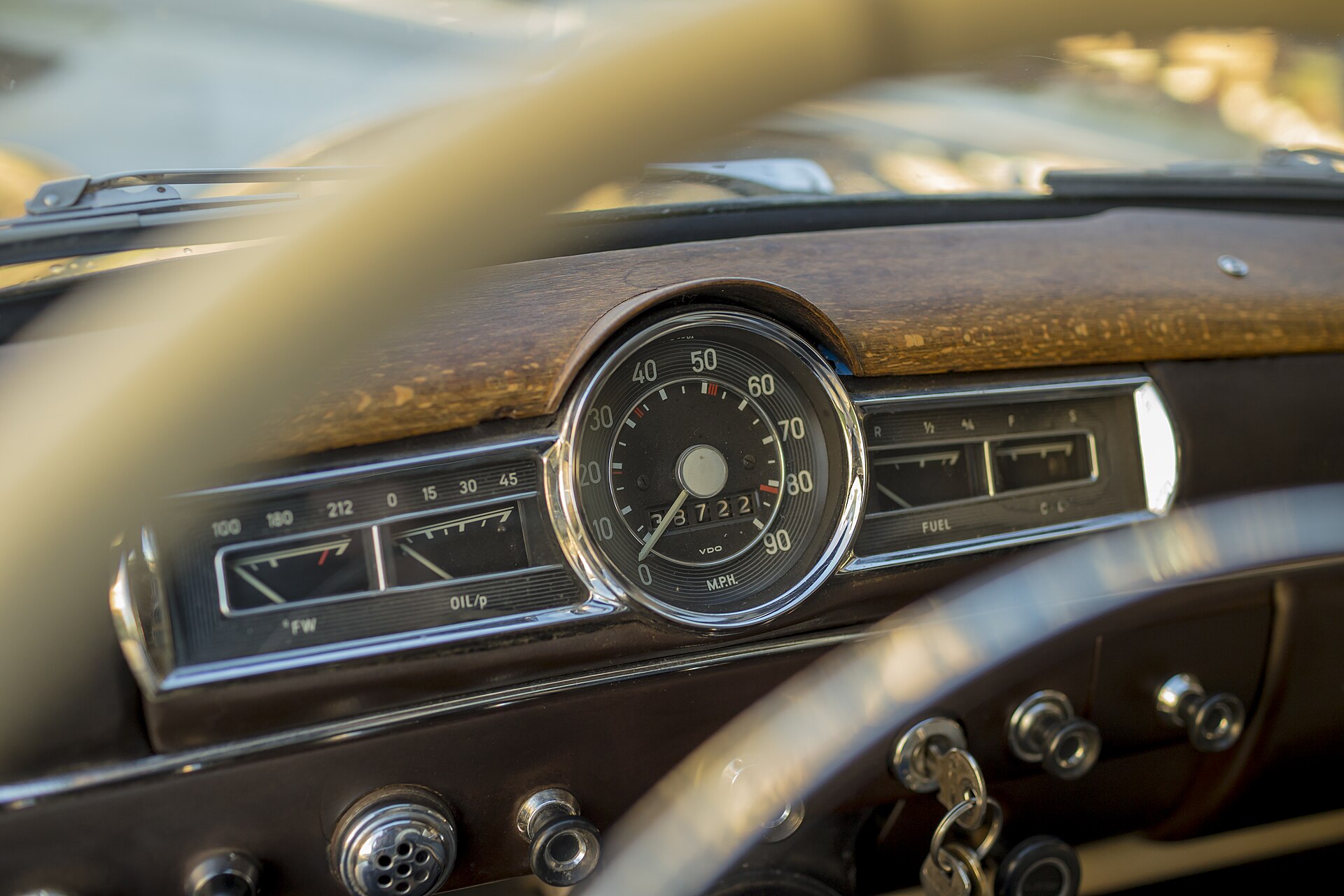
A test drive also constitutes a loan of the steering wheel. Before the visit, ask the insurer if a potential buyer is authorised to drive and under what conditions. Check the original driving licence and an identity document, then keep only the necessary information respecting privacy.
Accompany the test, choose a short and suitable route, and start by driving yourself to demonstrate the controls. Never hand over the vehicle alone to an unidentified person. A deposit or retaining an identity document does not create insurance and does not replace contractual authorisation.
When the vehicle is entrusted to a professional for sale or a test drive, also check their “entrusted vehicles” insurance. Our article on the consignment sale of a classic car details the guarantees to request from the custodian.
What happens in the event of an accident?
The first priority remains safety: secure the area, call emergency services if necessary, then complete a detailed accident report. Clearly identify the actual driver and do not present the owner as the driver if they were not behind the wheel.
Notify the insurer promptly. Article L. 113-2 of the Insurance Code stipulates that the contractual deadline for declaring a claim cannot be less than five working days, excluding specific deadlines such as theft. Do not wait until the end of an amicable discussion to report an event that may activate the coverage.
Provide:
- the accident report and the contact details of the parties involved;
- the identity and driving licence of the driver;
- photographs of the scene and the damage;
- the mileage and condition before the loan;
- the terms of the loan and the insurer’s written response;
- the expert report and invoices relevant to the value;
- the contact details of a repairer familiar with the model.
Third parties are compensated according to civil liability rules. For the loaned car and its driver, the extent of coverage depends on the contract. An increased excess may remain payable by the policyholder; insufficient driver coverage may leave a significant portion of bodily injury damages uncovered.
Loan abroad, event or circuit: three cases to verify
Going abroad
Check the territorial coverage, excluded countries, assistance, repatriation, and documents provided by the insurer. For certain destinations, an international insurance card remains useful or mandatory. Also ensure that the driver is legally permitted to use the vehicle in each country crossed.
Participating in an event
Ask the organiser for the exact nature of the event and their insurance, then pass this information to your own insurer. The organiser’s insurance does not automatically replace the car’s coverage. Distinguish between exhibition, tourist route, regularity, speed, and circuit.
Driving on a circuit
Most ordinary road use policies do not necessarily cover track driving. Obtain specific coverage before registration and separately verify civil liability, damage to the car, the driver, breakdown assistance, and damage caused to the facilities.
Checklist before lending
- Reread the lending clause and permitted uses.
- Obtain written confirmation from the insurer.
- Check the original driving licence and its category.
- Declare the regular or novice driver if necessary.
- Know the applicable excess in euros.
- Confirm the damage and driver cover.
- Verify the insured value and the appraisal.
- Check tyres, brakes, fluid levels, lighting and battery.
- Take photographic evidence and note the mileage.
- Explain starting, braking and mechanical warnings.
- Provide the assistance number and procedure to follow.
- Clearly limit the duration, route and use.
Frequently asked questions
Can you lend a classic car to a young driver?
Only if the policy allows it. An age restriction, licence seniority or increased excess may apply. Request written confirmation including the driver’s identity and experience.
Does the borrower’s personal insurance cover the car?
Not automatically. It is primarily the policy attached to the vehicle that applies. The borrower’s personal cover may possibly supplement certain risks, but this must be checked separately.
Who pays the excess after an accident?
The insurer applies the excess to the vehicle’s policy. The owner and borrower may agree between themselves on how to split it, but this agreement does not alter obligations towards the insurer or victims.
Can the car be lent for several weeks?
Prolonged or repeated use may make the close person a regular driver. Inform the insurer and request an endorsement rather than presenting the situation as an exceptional loan.
Can a potential buyer drive during a test drive?
Yes, if your policy permits this loan. Check the licence, accompany the test drive and confirm in advance the applicable excesses and restrictions.
Does the classic car registration certificate change the rules for lending?
No, not by itself. The registration certificate and the insurance contract are two separate matters. It is the coverages and exclusions of the policy that determine the conditions of the loan.
Lending the keys without lending the risk
A classic car can be shared, but the enjoyment must remain controlled. The best practice is to turn assumptions into written confirmations: authorised driver, usage, deductible, value, assistance and personal protection.
For a rare car, mechanical preparation is as important as the insurance policy. An informed driver, a suitable route and a documented starting condition avoid many difficulties. If the contract remains ambiguous, do not lend the car yet: request an endorsement or choose a policy compatible with the actual use.
Main sources
- Service-Public — Insurance when lending a vehicle to a third party: conditions of the loan, authorised driver, coverages and deductibles.
- Service-Public — Is it necessary to insure a classic vehicle?: mandatory insurance and special conditions of classic contracts.
- Légifrance — Article L. 211-1 of the Insurance Code: obligation of motor third party liability insurance.
- Légifrance — Article L. 113-2 of the Insurance Code: risk declaration and minimum deadline for reporting a claim.
- France Assureurs — Motor insurance: coverages, driver, documents and loan deductible.
- France Assureurs — Lending your car: have you checked?: contract verification and risks related to an unauthorised driver.
Photo credits
- Featured image: Clem Onojeghuo, turquoise classic car, CC0 licence.
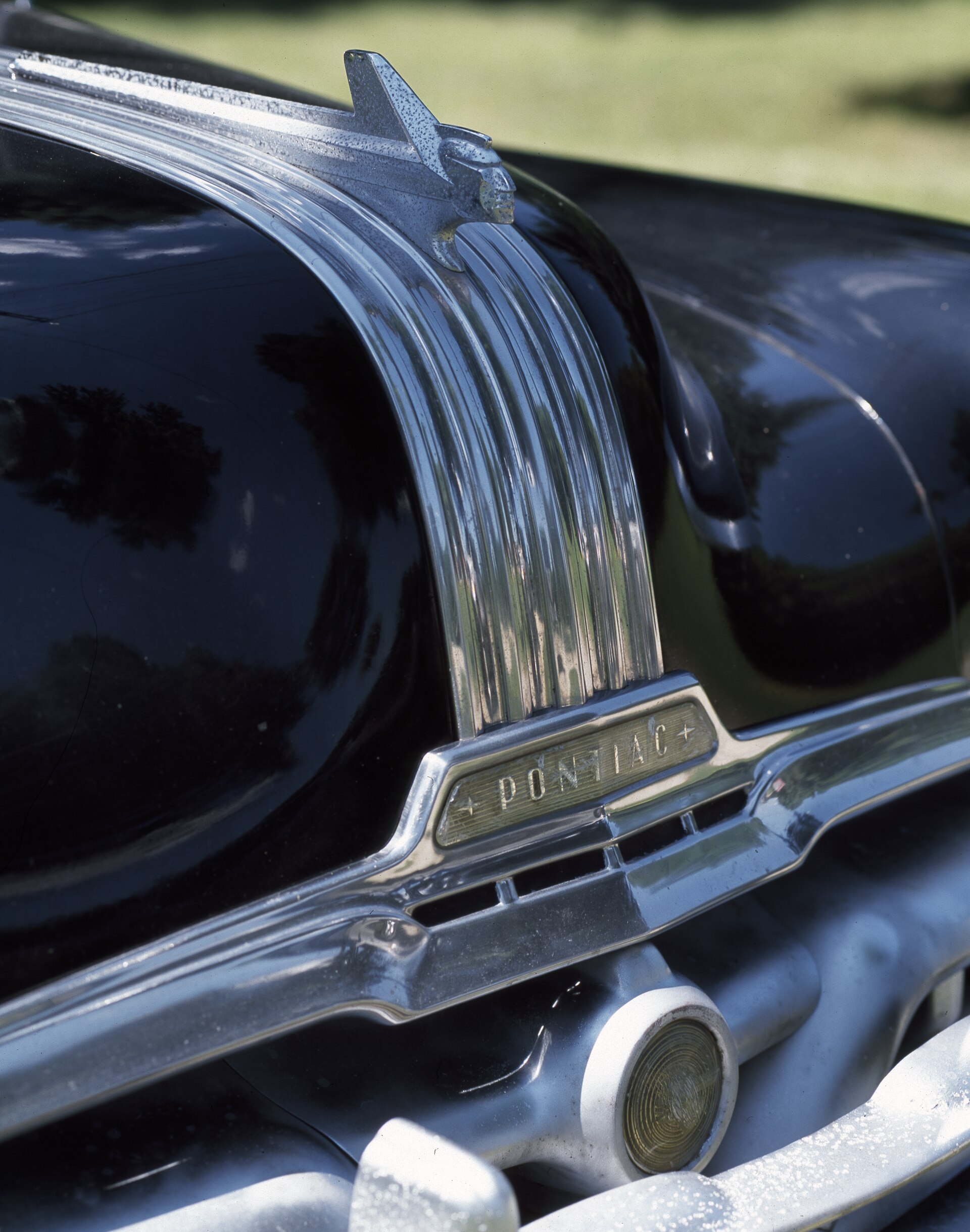
- Pontiac grille: Carol M. Highsmith, Library of Congress via Wikimedia Commons, public domain.
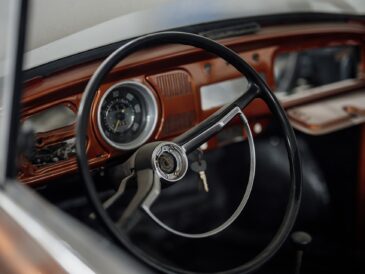
- Vintage dashboard: Benjamin Child, Wikimedia Commons, CC0 license.