A lead substitute additive is not necessary in all classic cars. It is mainly justified when an engine originally designed for leaded petrol still has unhardened exhaust valve seats. If the cylinder head has been converted with seats adapted for unleaded petrol, or if the manufacturer already authorised this fuel, the additive may be unnecessary. Therefore, the car’s age alone is not sufficient: it is essential to identify the engine, its history, and the actual cylinder head fitted.
The lead substitute does not solve all problems related to modern petrol either. It is important to distinguish between the protection of valve seats, the octane rating, the presence of ethanol, and fuel preservation.
In which cases should a lead substitute be considered?
| Situation | Prudent decision |
|---|---|
| Engine designed for unleaded petrol by the manufacturer | Do not add substitute without documented reason |
| Cylinder head rebuilt with hardened valve seats | Substitute generally unnecessary for valve seat recession |
| Old engine, original cylinder head, historical requirement for leaded petrol | Check documentation and consider a suitable product |
| Unknown cylinder head history | Have the engine identified and check valve clearances |
| Catalysed engine or fitted with lambda sensor | Imperatively verify product compatibility |
| Sustained use, motorway or heavy load | Risk of recession may be higher on a vulnerable engine |
The Federation of British Historic Vehicle Clubs, a UK organisation specialising in historic vehicles, links the risk of exhaust valve seat recession to older engines fitted with materials unsuitable for unleaded petrol. It specifies that the need depends on metallurgy and usage conditions, not simply the vehicle’s age.
What was the purpose of lead in petrol?
Tetraethyl lead primarily served an anti-knock function: it increased the fuel’s resistance to knocking. Its deposits also helped protect certain exhaust valves and their seats against wear known asvalve seat recession.
In a vulnerable engine used without protection, repeated contacts at high temperature can gradually cause the seat to rise in the cylinder head. Valve clearance reduces, the valve closes less effectively, and cylinder sealing deteriorates. Possible consequences include loss of compression, irregular running, and ultimately a damaged valve.
This phenomenon does not necessarily appear after a single tankful. It depends notably on engine design, seat material, engine speed, load, and temperature. A car driven gently and infrequently is not exposed in the same way as an engine used for long periods at high revs, but no conclusion can be drawn without knowing its configuration.
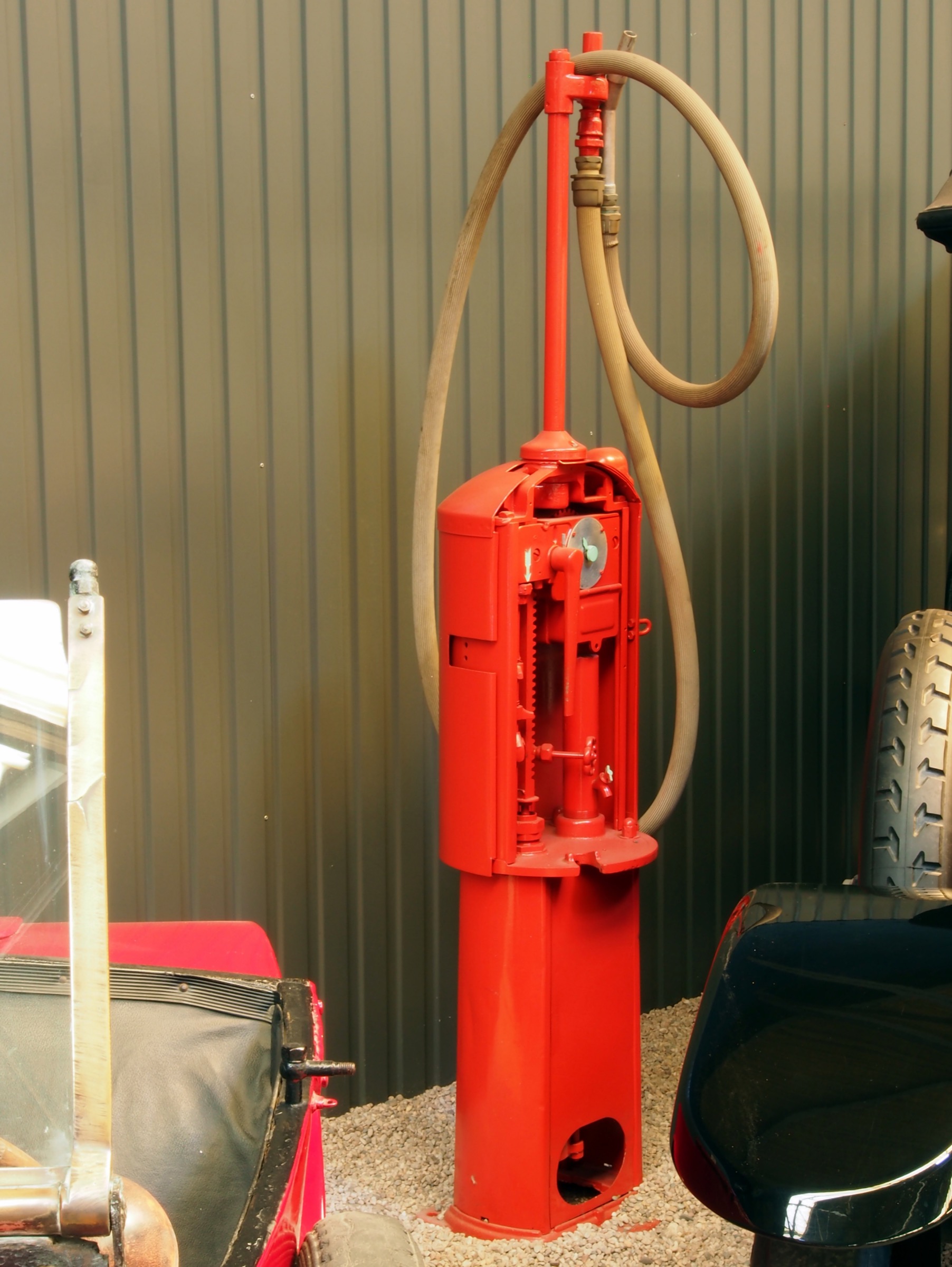
Vintage petrol pump preserved at the Reims Champagne Automobile Museum. Photo: Alf van Beem, Wikimedia Commons, CC0 licence. Image resized and metadata removed.
How to know if your engine really needs it?
1. Search for the original recommendation
Consult the manual, the manufacturer’s technical bulletins, period documents and information from a recognised marque club. Look for the fuel specification, the required octane rating and any updates published during the transition to unleaded fuel.
Avoid rules such as “before such a year, additive mandatory.” Two contemporary engines may use different materials, and a cylinder head may have been replaced during the vehicle’s life.
2. Check cylinder head refurbishment invoices
An invoice mentioning hardened inserted seats, compatible valves or a conversion to unleaded provides decisive information. A simple note “cylinder head refurbished” is not enough: ask which parts were fitted.
If the engine has been swapped, rely on its number and characteristics, not just the registration document or the bodywork year.
3. Have the valve clearances checked
On an engine with mechanical adjustment, an abnormal and repeated reduction in exhaust valve clearance may indicate recession. The check should be compared with the values and intervals specified by the manufacturer. Low compression can have several causes; it alone does not prove a seat problem.
4. Consult a model specialist
An engine specialist or workshop familiar with the engine family can identify the cylinder head and offer monitoring. When the history remains uncertain, this check is preferable to the systematic addition of several products.
What a lead substitute can — and cannot — do
A modern lead substitute generally does not mean putting lead back into the tank. It uses other compounds intended to form a protective layer at the valve seats. The FBHVC states that formulations based on potassium, phosphorus, manganese or sodium have shown effectiveness against recession under normal conditions, while emphasising that formulations evolve and it no longer endorses a permanent list of products.
| Product or property | Function | Not to be confused with |
|---|---|---|
| Lead substitute / VSR protection | Limit recession of vulnerable seats | Compatibility with ethanol |
| Octane booster | Increase knock resistance | Seat lubrication |
| Ethanol-related corrosion inhibitor | Reducing Certain Corrosive Effects | Protection of Incompatible Hoses |
| Fuel Stabiliser | Slowing Ageing During Storage | Replacement of Lead |
Shell recalls, in its technical documentation on aviation fuels, that automotive lead replacement additives primarily address valve seat recession and do not automatically raise the octane rating. Some products combine several functions, but only their technical datasheet can confirm this.
A substitute does not make an old fuel system compatible with ethanol either. It does not transform sensitive hoses, diaphragms, seals, floats or tanks into compatible parts. To choose between E5 and E10, please consult our separate guide on SP95‑E10 in a Classic Car.
How to Choose an Additive Without Mistakes?
Read the technical datasheet and the safety data sheet before purchase. Check the following points:
- the product is indeed intended for the protection of valve seats in a four-stroke petrol engine;
- compatibility with a catalytic converter and an oxygen sensor is explicitly stated if the car is equipped with them;
- the dosage is clear and measurable for the actual volume added;
- the intended function is identified: lead substitute, octane booster, corrosion protection or storage stabiliser;
- handling and storage precautions are respected;
- the product is not randomly mixed with another formulation.
The FBHVC warns that certain metallic compounds intended to protect against valve seat recession can clog a catalytic converter or disrupt an oxygen sensor. Therefore, the product label and the car’s configuration must be consistent.
What Dosage Should Be Used?
There is no universal dosage. You must apply the manufacturer’s instructions, based on the actual number of litres added to the tank. For example, Liqui Moly specifies a ratio of 1:1 000 for its Remplace-Plomb product, that is 250 ml for 250 litres of petrol. This value should not be applied to another brand.
Proceed as follows:
- estimate or note the volume of petrol added;
- measure the additive with the provided dosing device;
- follow the order of addition indicated on the label;
- record the product and quantity in the maintenance logbook;
- avoid underdosing, overdosing and mixing different products.
Overdosing does not necessarily provide more protection. It can increase deposits, costs and the risk of incompatibility. Never pour an additive “by eye” into a small tank.
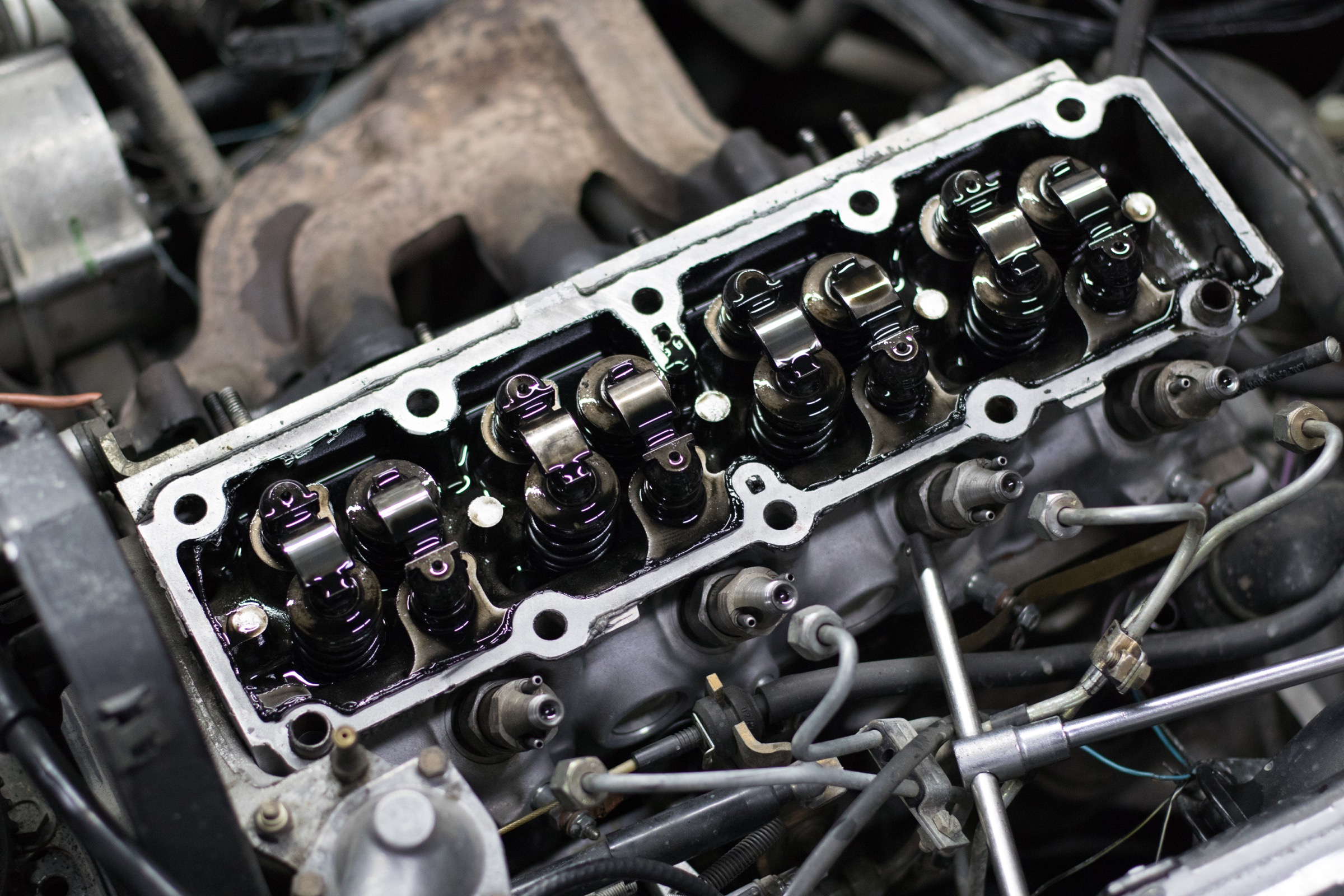
Rocker arms and valve springs of an automotive engine. Photo: Ivan Radic, Wikimedia Commons, licence CC BY 2.0. Image resized and metadata removed.
Which symptoms should lead to a mechanical inspection?
Advanced recession may manifest as rapidly decreasing valve clearance, loss of compression, irregular idling, misfires or loss of power. However, these symptoms are not specific: ignition, carburation, burnt valve or piston rings can produce similar effects.
A proper diagnosis involves checking the clearance, measuring compression and, if necessary, performing a cylinder leak-down test. Adding additive after damage has appeared will not restore a seat that is already deteriorated.
If the car has run without additive, should you panic?
No. The absence of additive during a few tanks of fuel does not automatically mean the cylinder head is damaged. First have the setup and clearances checked. Frequency of use and load endured are very important factors.
When putting a car back into service after a long period of inactivity, the fuel is only one of several checks. Our classic car restart checklist also covers lubrication, cooling, brakes and electrical systems.
The lasting solution: adapted valve seats
When a cylinder head needs renovation, fitting hardened exhaust valve seats can eliminate the need for a recession substitute. This modification should be entrusted to a skilled engine machinist: the choice of material, machining, seat tightening and valve geometry determine reliability.
It is not necessarily rational to remove a healthy cylinder head solely to avoid using an additive. The decision depends on usage, the engine’s authenticity value and any planned work. However, during a complete overhaul, compatibility with available fuel should be included in the specifications.
Check this point before buying a classic car
Before purchase, ask what fuel is used, whether an additive is added, when the valve clearance was last checked and if the cylinder head has been converted. Invoices are more valuable than verbal statements. These questions allow a clearer comparison of classic and prestige cars for sale, without turning the presence or absence of additive into an automatic verdict.
Frequently asked questions
Do all classic cars need a lead substitute?
No. The need depends on the engine, the valve seat material, the cylinder head’s history and usage.
Does the lead substitute actually contain lead?
Modern products generally use other protective compounds. Check the composition and safety data sheet of the chosen product.
Does the SP98 replace the additive?
Not necessarily. Octane rating and protection against valve seat recession are two different properties.
Does a substitute protect against ethanol?
Not automatically. Some formulations combine several functions, but a VSR product alone does not make seals and hoses compatible with ethanol.
Can two brands of additives be mixed?
It is better to avoid this unless explicitly stated in the technical instructions. Active ingredients, dosages and compatibilities may differ.
Should the product be added at every fill-up?
Follow the instructions. A product intended to protect valve seats is generally dosed according to the volume of fuel treated, but instructions vary.
Sources
- Federation of British Historic Vehicle Clubs — Fuels: valve seat recession, additive tests, limits regarding ethanol and catalysts.
- Shell — AVGAS Facts and the future of aviation fuel: distinction between automotive lead substitute and octane rating increase.
- TotalEnergies Services France — fuel for a classic car in the absence of SP95: recommendation to check vehicle compatibility and specifications.
- Liqui Moly — Lead Replacement: product purpose, dosage specific to this formulation and usage precautions.
Information and links verified on 9 October 2026. Commercial formulations may change: verification recommended at each purchase and annual editorial review.
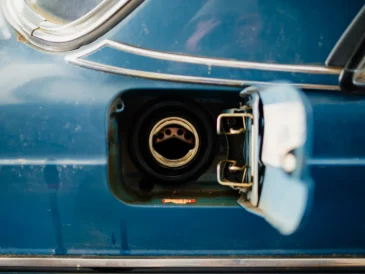
Featured image credit: open fuel flap of a classic car. Photo by Nenad Stojkovic, Wikimedia Commons, CC BY 2.0 licence. Image resized and metadata removed.