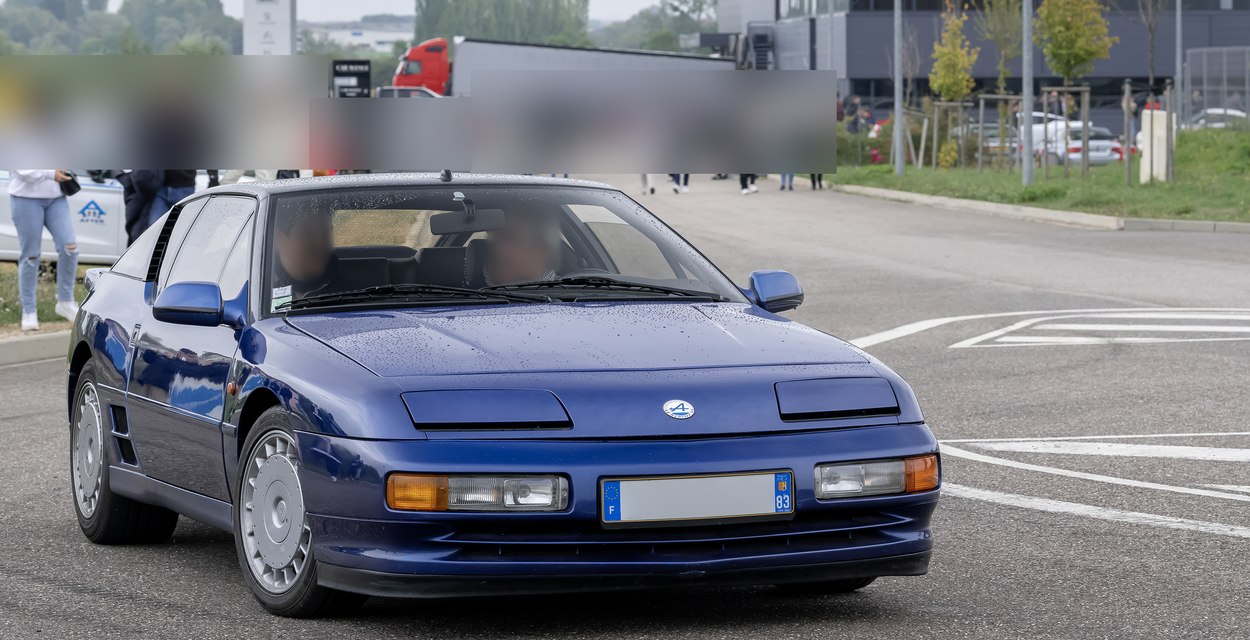
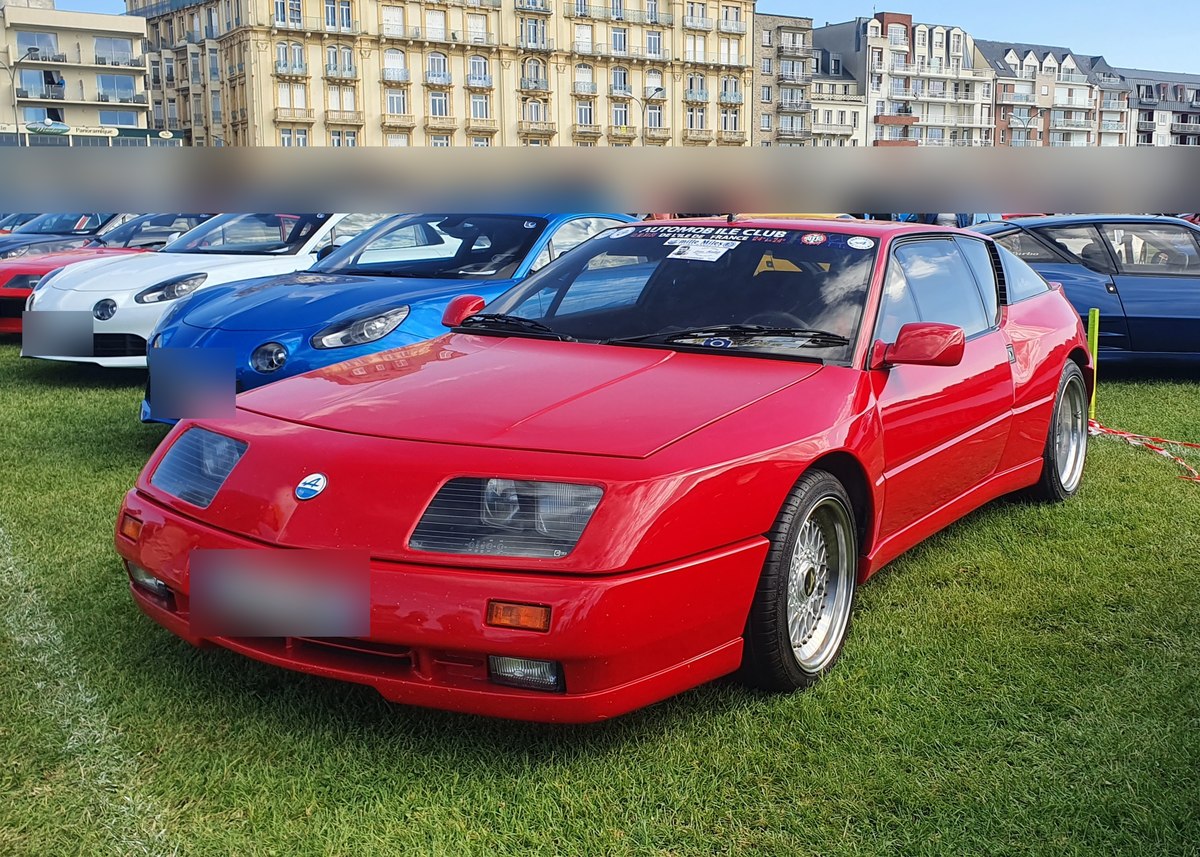
To tell an Alpine A610 from a GTA Le Mans, start at the front. The production A610 has pop-up main headlamps. The GTA Le Mans has fixed headlamps behind glass, despite its wider wings. The engine under the rear cover confirms the distinction: a 3.0-litre turbocharged V6 in the A610 and a 2.5-litre turbocharged V6 in the GTA Le Mans. If the photographs, engine description and paperwork do not tally, ask for the records before travelling.
Alpine A610 or GTA Le Mans: what to check in an advert
| Clue | Alpine A610 | Alpine GTA Le Mans |
|---|---|---|
| Introduction | 1991 Geneva Motor Show | GTA special edition introduced in 1990 |
| Main headlamps | Pop-up units with visible lids when closed | Fixed behind glass |
| Engine | 3.0-litre turbocharged PRV V6, 250 PS | 2.5-litre turbocharged PRV V6, with a catalytic converter as standard |
| First check from photos | Ask for a front view with the headlamps raised | Look for the glass covers, then examine the wings and wheels |
The comparison draws on Renault’s historical dossier, the contemporary Motor Sport report and model histories from the Club Alpine Dieppe and the Renault Alpine Owners Club.
Why do the two Alpines look alike?
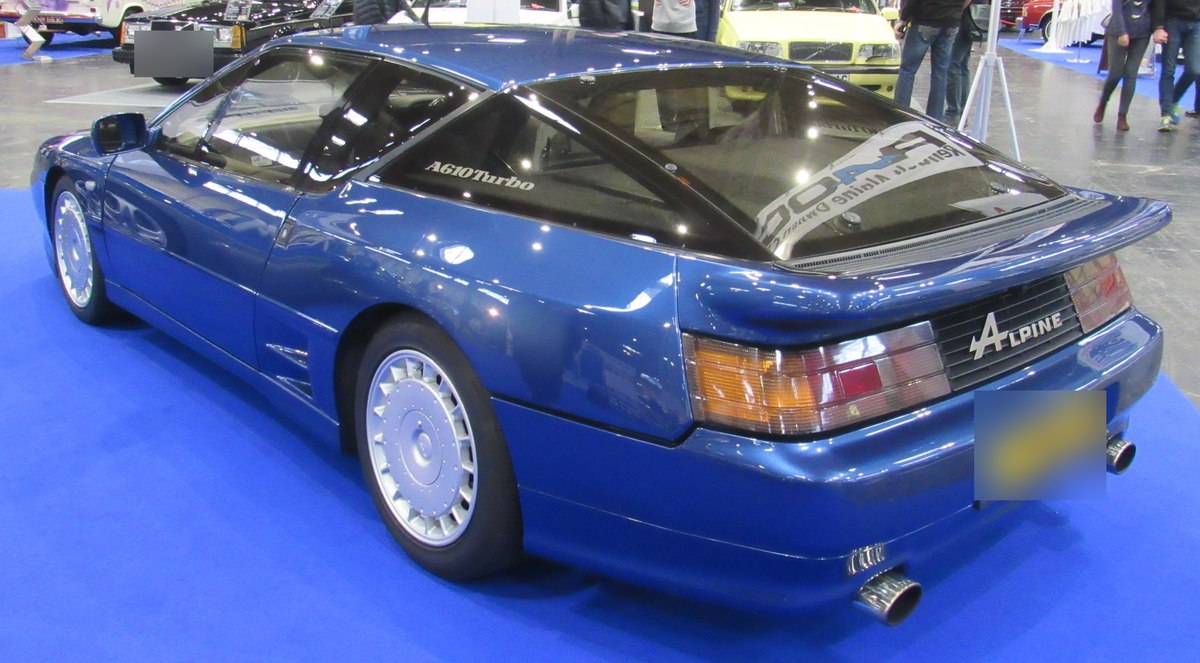
The A610 succeeded the GTA. It kept the outline of the Dieppe coupé and the rear-mounted V6, with a redesigned nose and a reworked structure. The GTA Le Mans already had wider bodywork than the GTA, so a side view can easily mislead. The differences go further than trim or wheels. The 250 PS output and three-litre engine are part of the production A610’s specification. Alpine history dossier, Renault press archive.
There is one exception to the headlamp clue. The GTA project intended for the US market already featured pop-up headlamps. If an advert claims it is one of those rare cars or shows a modified example, ask for evidence tied to the chassis. For more on the wider range, see our piece on the Alpine A310 Vision and its earlier namesake.
Three checks to make before shortlisting a car
- A video of the headlamps. On an A610 advertised in working order, ask to see both headlamps rise and close. It helps identify the nose and reveals a potential job to budget for.
- A chassis number that matches the file. Compare the stamped number and identification plates with the paperwork and invoices. If anything differs, ask a marque specialist to confirm the specification.
- Invoices that identify the engine. If the seller mentions a replacement or tuning work, ask for the engine reference and supporting paperwork. Our pre-purchase appraisal guide explains what checks to request.
Comparing several 1990s sports cars? Browse the classic and sports cars for sale at Plethore Cars.
Frequently asked questions
Is the GTA Le Mans an A610?
The GTA Le Mans is a GTA special edition. The A610 succeeded it in the range with a new front end and a 3.0-litre turbocharged V6.
How many Alpine A610s were produced?
Renault records 818. The British owners’ club register and an auction catalogue documenting an A610 give the same total.
Can the first registration date identify an A610?
A car can be first registered some time after it was built. Cross-check the paperwork with the chassis number and engine specification.
Opening photograph: blue Alpine A610 with its main headlamps closed. Alexandre Prevot, Wikimedia Commons, CC BY-SA 2.0 (cropped, resized and background blurred). Documentary sources checked on 28 November 2026.