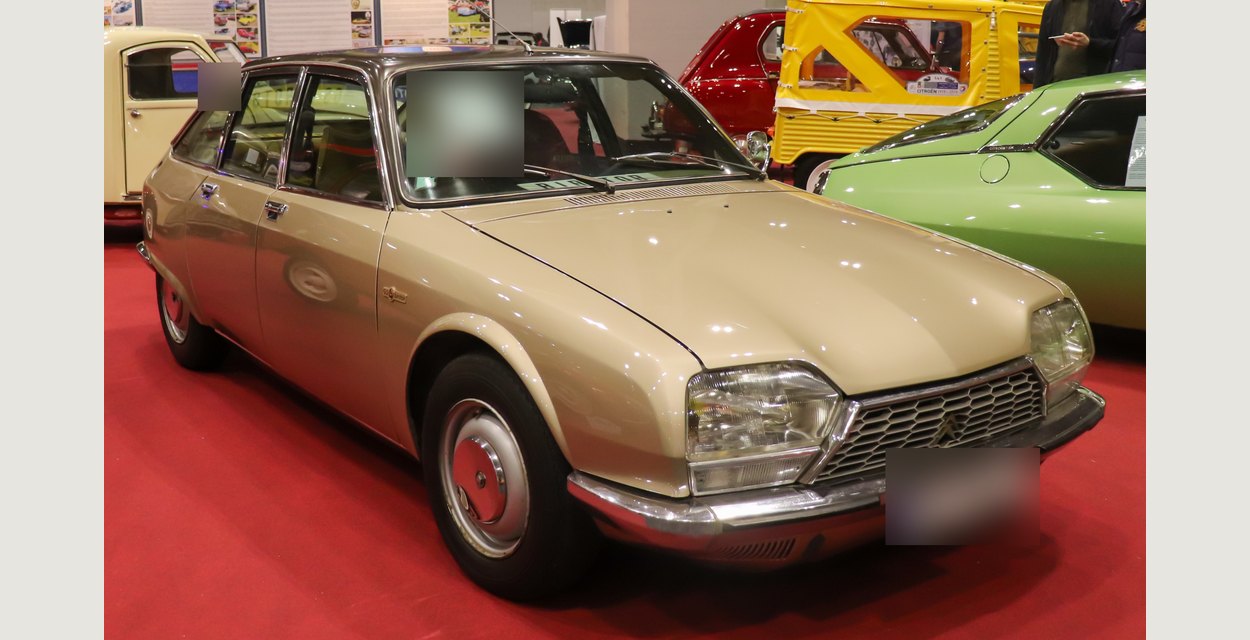
Citroën built 847 GS Birotors. Unveiled in 1973 and put on sale in March 1974, this version of the GS combined hydropneumatic suspension with a 107 DIN hp twin-rotor Comotor engine. If you are trying to identify one today, start with the wider wings. Then check the chassis number, the engine fitted and the invoices to establish what the car is.
Why Citroën put a rotary engine in the GS
Citroën had already tried a single rotor in the experimental M35 coupé. The Comotor venture, set up with NSU, supplied the GS with a twin-rotor engine. In its internal note of 25 July 1973, Citroën presented this engine as a new direction for a saloon already known for its suspension. The note scheduled appearances at Frankfurt and Paris. Citroën’s archive dates the start of sales to March 1974. 1973 Citroën note, Citroën–Stellantis archive, Citromuseum.
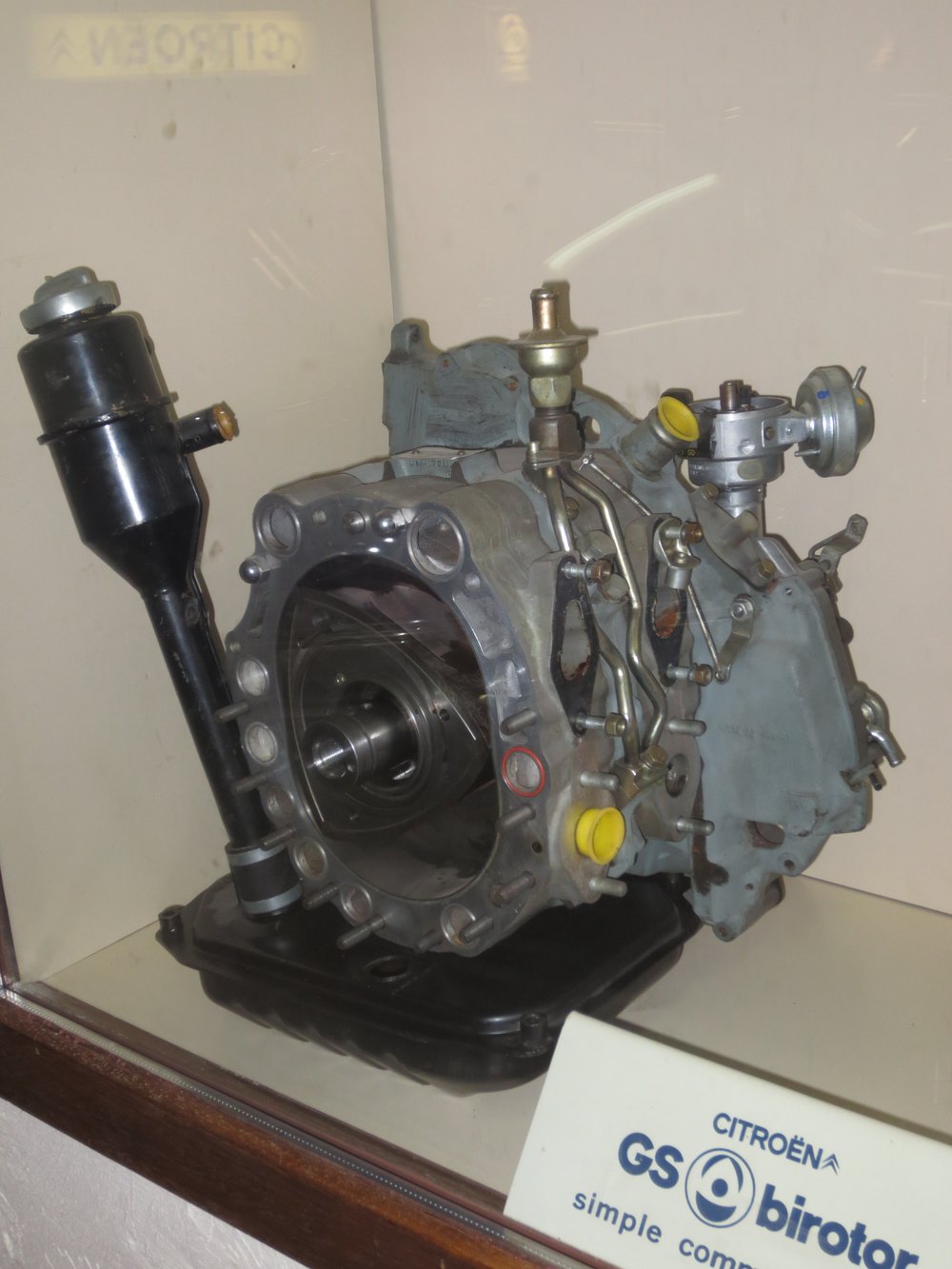
107 DIN hp and three gears: the specifications
| Specification | GS Birotor |
|---|---|
| Engine | Twin-rotor Comotor |
| Quoted power | 107 DIN hp at 6,500 rpm |
| Transmission | Three speeds with a torque converter |
| Suspension | Hydropneumatic |
| Total production | 847 cars |
In this engine, two rotors carry out the combustion cycles inside their housings. That is what distinguishes the Birotor from the conventional flat-four GS. For period specifications, see the brochures collected by GSAventure and the Club Citroën France model profile.
Why production ended after 847 cars
The timing worked against Citroën. The oil crisis struck in autumn 1973 as the car was approaching its launch. The rotary engine’s fuel consumption became a disadvantage. Citroën says the planned German launch was cancelled before the car went on sale there. Its archives, Club Citroën France and the Citromuseum agree on the figure of 847. Their accounts give slightly different dates for production and the sales period. The production figure does not tell us how many cars survive. Citroën heritage release, Ro 80 Club feature.
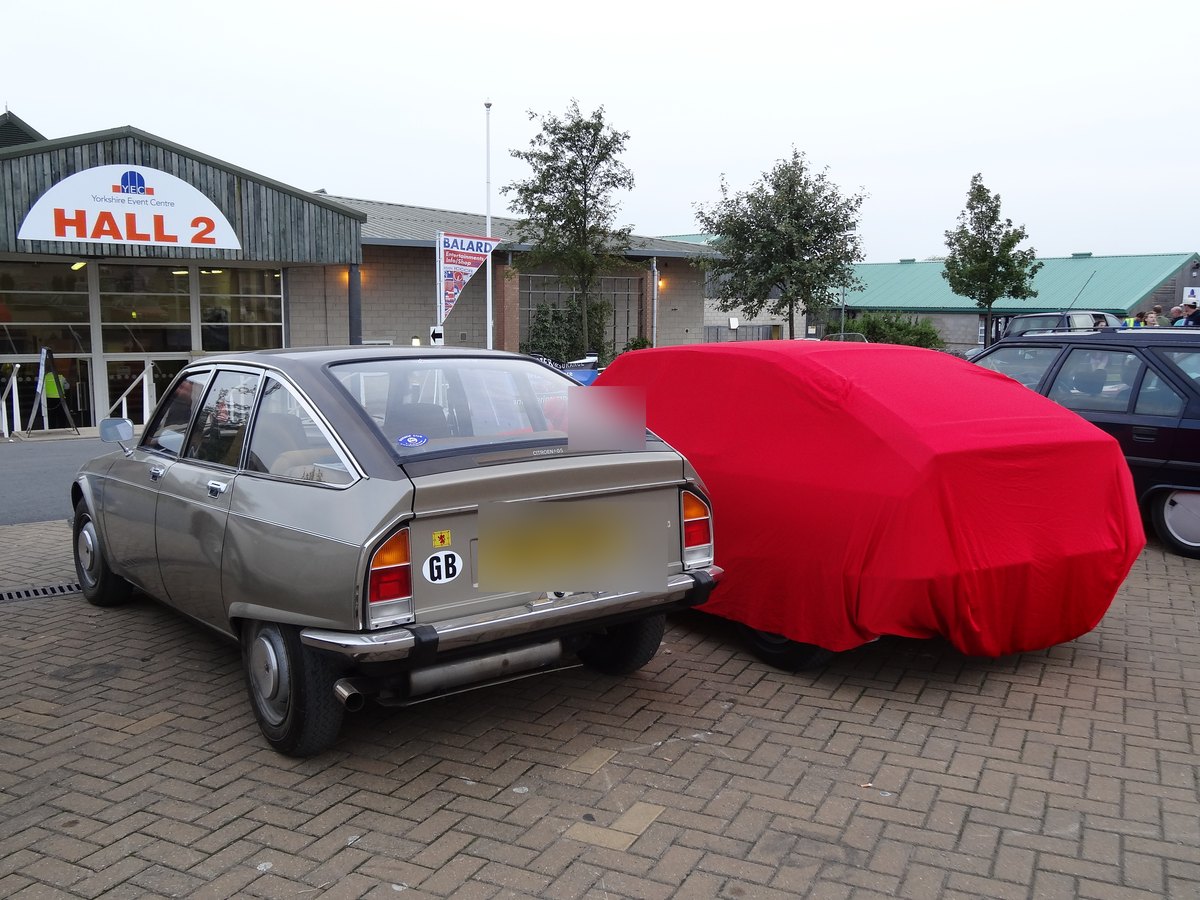
How to identify a genuine GS Birotor before buying
- Ask for photographs of the side and engine. The wider wings are a clue. Confirm the variant against the engine and the documents.
- Have the chassis number recorded and compare it with the paperwork and invoices. The Ro 80 Club register identifies GG as the Birotor code. Use this as one clue and check it against the complete file. See our guide to putting together a classic car’s history file.
- Before committing, ask a rotary specialist what they can check and which parts they can source. A pre-purchase appraisal can help you put a figure on the work needed.
Looking for a French classic from the 1970s? Browse classic cars for sale at Plethore Cars.
Frequently asked questions
How many Citroën GS Birotors were made?
847 cars, according to Citroën’s archives, Club Citroën France and the Citromuseum.
Did the GS Birotor come out in 1973 or 1974?
It was unveiled in 1973. Citroën dates the start of sales to March 1974.
What is the difference between the M35 and the GS Birotor?
The experimental M35 coupé has one rotor. The GS Birotor is a saloon with a twin-rotor Comotor engine.
Opening photograph: a 1974 GS Birotor at the 2019 NEC Classic Motor Show. Vauxford, Wikimedia Commons, CC BY-SA 4.0 (resized, side margins added and identifying details blurred). Sources checked on 27 November 2026.