Driven your classic car on a gritted road? Once the frost has lifted and the car has cooled, rinse the wheel arches, the lower edges of the wings and accessible parts of the underside with fresh water. Use a gentle flow to wash away deposits, then let the water drain before putting the car away or fitting a cover. If you find a badly corroded pipe, a leak or anything unusual about the brakes, have the car checked before driving again.
Why check the underside after driving on gritted roads?
Spray from the tyres reaches seams and exposed parts of the underside. Salt and mud can build up there while the bonnet still looks clean. Owner’s manuals from Nissan, Mazda and Kia all recommend removing deposits from the underside. Germany’s ADAC notes that older cars generally have less underbody protection than modern cars and that chips and damaged coatings encourage corrosion.
How to rinse away road salt without forcing water into gaps
- Pick a frost-free spell. Let the brakes and the area around the exhaust cool. If the car has to wait, park it somewhere ventilated and remove deposits when conditions allow.
- Rinse before washing by hand. Let water carry away grit and mud before running a sponge over the paintwork. Underneath, stick to surfaces you can reach from outside the car. Avoid directing a powerful jet at seals, drain holes or enclosed sections. The AAA warns that excessive pressure can drive deposits into small gaps.
- Let the water drain. Wipe accessible edges and seals. If a drain seems blocked or you find water inside the car, have the source investigated. Wait for the car to dry before fitting its cover. See our classic-car storage guide for ways to manage damp in the garage.
Which areas should you check first?
| Area | What to look for | When to ask a workshop |
|---|---|---|
| Wheel arches and wing lips | Deposits in accessible seams, flaking paint | The metal distorts, crumbles or has a hole. |
| Sills and underbody | Chips, blistering or a lifting protective coating | A structural area or jacking point appears affected. |
| Brake or fuel pipes | Signs of leaks or visible corrosion | A leak, heavy corrosion or an unusually soft pedal. Arrange recovery if the brakes appear compromised, as the AAA advises. |
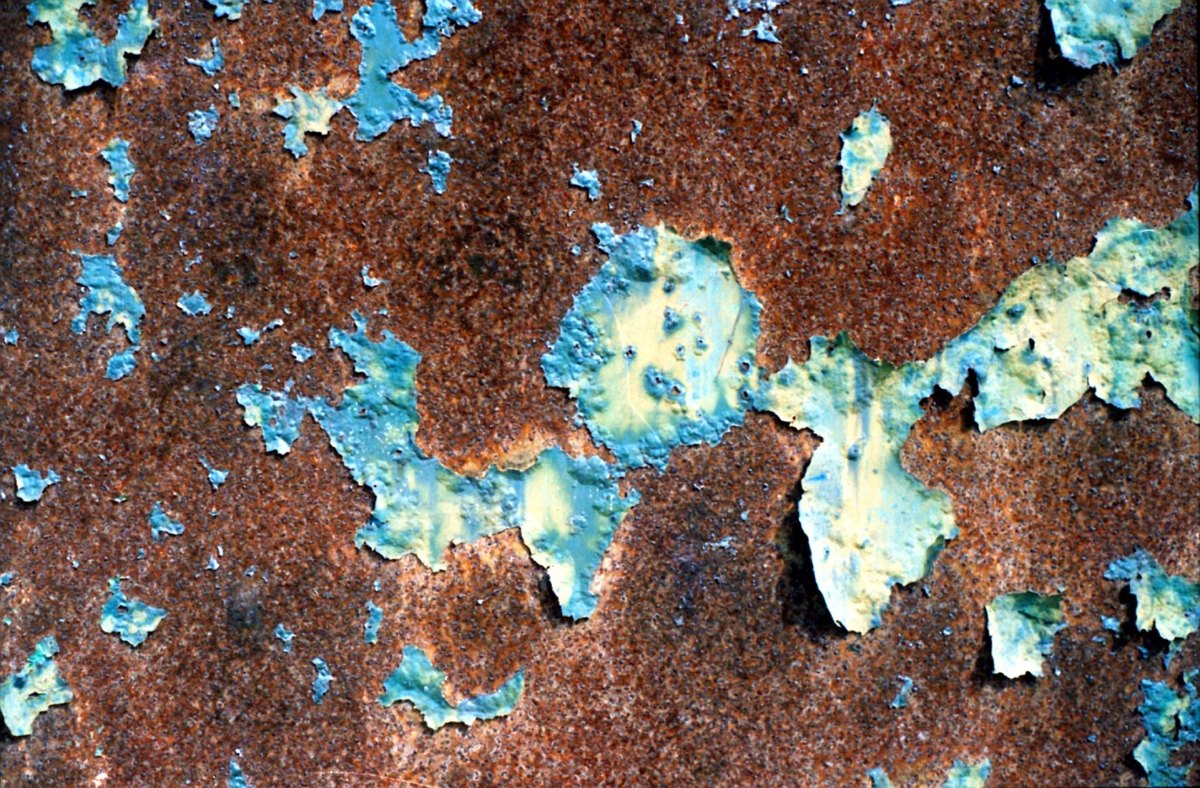
Rinsing clears accessible deposits. If a coating is damaged, ask a workshop to assess the metal before covering it. Our guide to spotting rust on a classic car explains what to look for. If you are comparing classic cars for sale, ask for recent photographs of the underside before you visit.
Frequently asked questions
Should I wash the car after every winter drive?
Base it on exposure. If you can see spray deposits or have driven on heavily gritted roads, rinse the car at the next frost-free opportunity. After a dry drive with no visible deposits, start with a visual check. The intervals given in owner’s manuals vary with the vehicle and its exposure.
Does rain wash road salt off?
Rain wets exposed surfaces. Check whether mud and spray deposits are still present in seams and wheel arches, then rinse any areas that remain dirty.
Can I use an underbody wash on a classic car?
Ask how the equipment applies the water. If your car already lets water in, has tired seals or has damage underneath, use a gentle flow on accessible surfaces or ask a workshop to clean it.
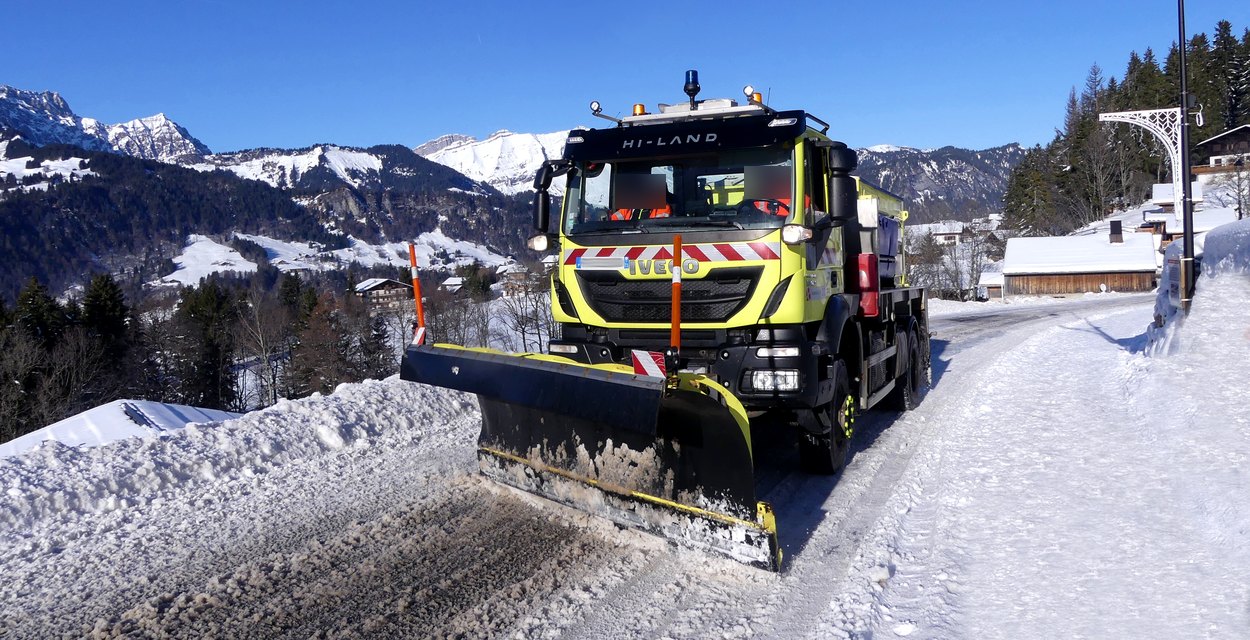
Opening photograph: a snowplough between Crest-Voland and Le Cernix, in Savoie. Florian Pépellin, Wikimedia Commons, CC BY-SA 4.0 (cropped, resized and faces blurred). Sources checked on 27 November 2026.