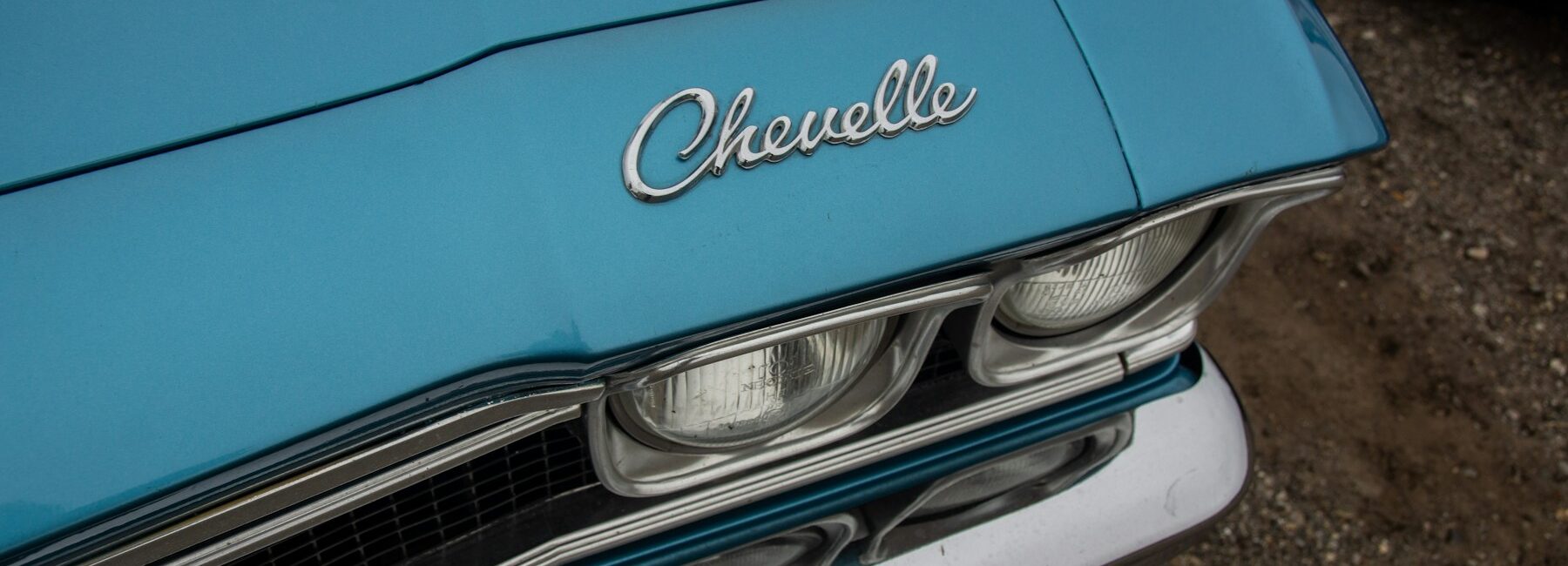
Good photos do not replace either a historical file or an inspection, but they often determine whether a serious buyer opens the listing, requests information, or moves on. To photograph a classic car for sale, prepare a coherent series of at least 20 sharp images, in landscape format: general views, interior, engine, accessible underside, documents and defects. For a rare car or one sold remotely, 30 to 40 useful photos are often preferable to ten flattering but incomplete images.
The essential rule is simple: the photographs must provide a faithful representation of the car. La Centrale’s guidelines also require that the main photo shows the entire vehicle and specifically reject blurry, dark images or those taken from a manufacturer’s catalogue. For a vintage car, you need to go further: show what informs about authenticity, condition and provenance.
Why photos matter more for a classic car
With a recent car, the buyer generally knows the standard configuration of the model. With a classic car, two examples of the same year can differ considerably: old or recent paintwork, original or reupholstered seats, replaced engine, period accessories, signs of corrosion, documented restoration or simple cosmetic refresh.
A well-illustrated listing therefore allows you to answer several questions even before the first call:
- does the paint appear uniform across all body panels?
- are the panel gaps regular?
- does the interior correspond to the announced version and year?
- does the engine bay appear complete, clean and consistent?
- are visible defects acknowledged and located?
- are the logbooks, invoices, spare keys and tools present?
Photos also establish a first level of trust. They do not alone prove the authenticity of a chassis number, engine or mileage, but they allow the buyer to prepare a more relevant inspection.
Preparing the car without hiding its history
Start with a wash appropriate to the car’s condition. Remove dust, fingerprints and personal items, vacuum the interior and clean the windows. However, avoid very shiny products on tyres, plastics and leather: they create reflections, give an artificial look and can conceal texture differences.
A consistent patina is not necessarily a defect. On a preserved classic car, cracked leather, slightly faded paint or a worn steering wheel can be part of its history. Clean without transforming. If a part has been repainted, restored or replaced, it is better to specify this in the listing and illustrate it.
Before the session, gather the accessories that will be photographed:
- main and spare keys;
- spare wheel, jack and tool kit;
- service book, manual and invoices;
- certificate of authenticity or expert report, if available;
- soft top, soft top cover, hard-top or dedicated luggage;
- original parts kept after a reversible modification.
A classic car historical file well presented enhances the informative value of the listing, provided personal data is concealed.
Choosing the right light and setting
The soft light of an overcast sky is ideal: it reduces harsh shadows and reflections. In clear weather, photograph early in the morning or late in the day. Avoid midday sun, which burns out bright areas and casts the lower bodywork into shadow.
Choose a simple, clean background set sufficiently far from the car. A neutral wall, an open courtyard or a quiet car park work better than a cluttered street. Do not photograph the vehicle in front of your home if the address, house number or very precise landmarks can be identified.
Place the car on level ground, with windows closed, doors and bonnets properly aligned. For the main photo, turn the wheels slightly outwards only if it looks natural. Above all, check that no post appears to emerge from the roof and that no other vehicle cuts across the silhouette.
Smartphone or camera: useful settings
A recent smartphone is sufficient for a quality listing. Clean the lens, activate the grid, use the maximum resolution and tap the bodywork on the screen to set focus and exposure. Step back rather than using digital zoom, which degrades detail.
Keep the same image format and favour horizontal orientation. Auto Trader recommends this orientation so that the vehicle properly fills the frame. The wide-angle mode can help in a narrow cabin, but it distorts wings, wheels and proportions when used too close to the bodywork.
Avoid filters, artificial blur and heavy retouching. A slight correction of brightness or white balance is acceptable if it does not alter the true colour. Always keep the original files: they allow you to respond to a specific request and keep proof of the date the photo was taken.
The list of essential photos
Here is an effective sequence to build a clear listing.
| Series | Photos to take | What the buyer must be able to verify |
|---|---|---|
| Main view | three-quarter front, entire car | silhouette, general presentation, colour |
| Bodywork | front, rear, both profiles, three-quarter rear | alignment, panels, ride height |
| Exterior Details | four wheels, tyres, headlights, chrome, badges | wear, conformity, visible defects |
| Openings | doors, bonnet, boot, seals | alignment, corrosion, condition of rebates |
| Interior | dashboard, instruments, seats, carpets, headliner | wear, displayed mileage, configuration |
| Mechanical | engine compartment, accessible plates and numbers | cleanliness, leaks, consistency, identification |
| Underside | sills, wheel arches, accessible underbody areas | corrosion, repairs, protections |
| Equipment | boot, spare wheel, tools, hard-top or soft-top | completeness and condition of accessories |
| History | service books, manuals, grouped invoices | traceability, without readable personal data |
| Defects | context view then close-up | location and actual significance of the defect |
Auto Trader recommends at least 20 photos and specifically mentions three-quarter views, profiles, wheels, the dashboard, seats, the boot, the engine, and any damage. For a classic car, add areas that might reveal restoration work or known weaknesses of the model.
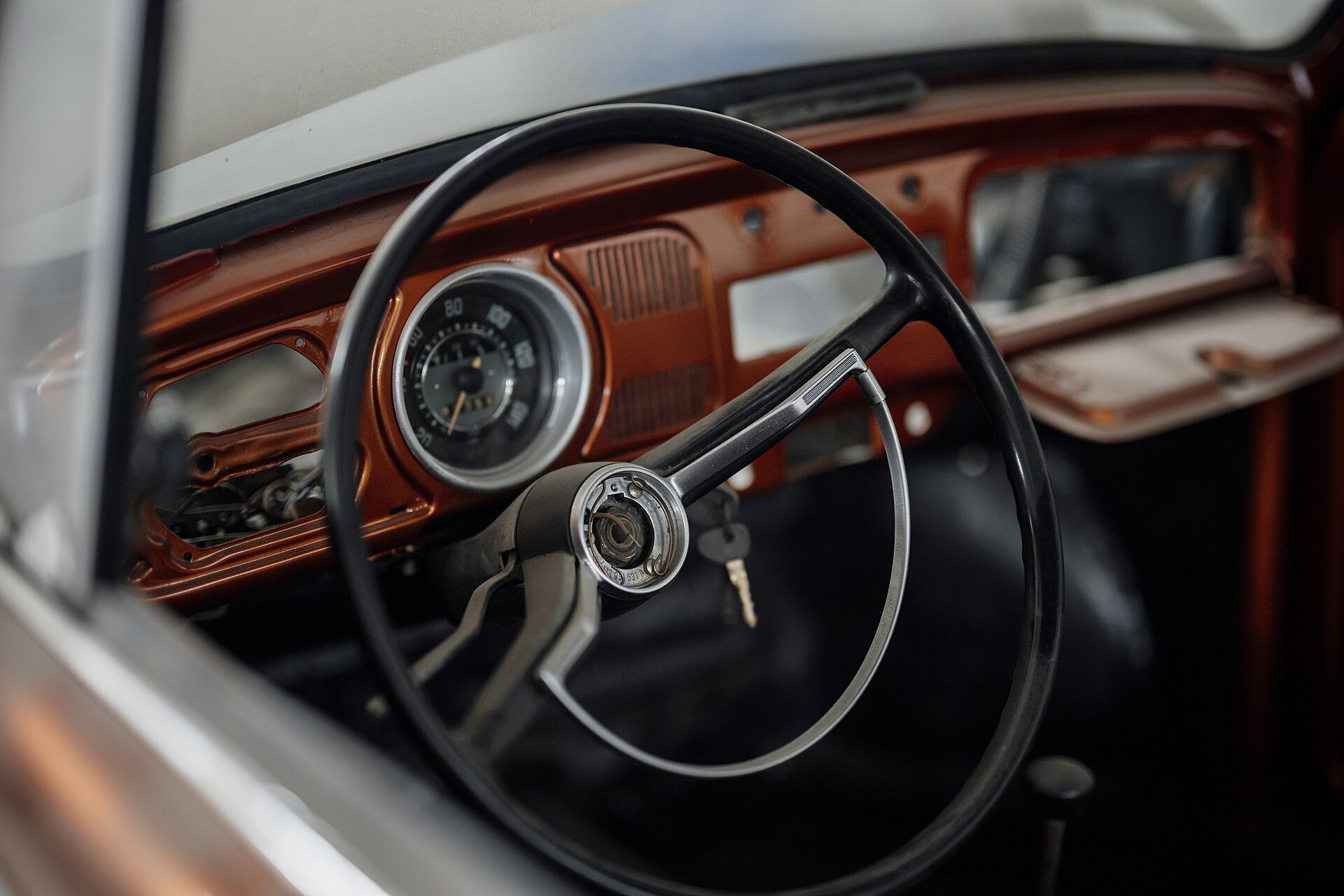
Photograph the interior as a buyer would examine it
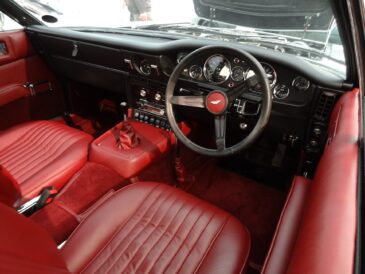
Open both doors and photograph the entire interior from each side. Add a view of the dashboard taken from the rear seat or from outside, without using an excessively wide-angle lens. The odometer must be legible, as well as the main instruments.
Document the seats, side bolsters, carpets, pedals, door trims, headliner and specific controls. For a convertible, show the hood closed then open, the rear window, the stitching and the mechanism. For a right-hand drive car or one with a rare gearbox, a clear photo avoids any ambiguity.
Do not hide a tear under an accessory or cover. Wear honestly photographed reassures more than framing that seems to avoid it.
Engine, chassis and authenticity details
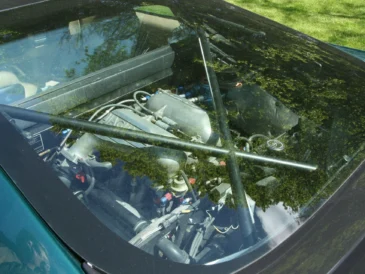
The engine compartment should be photographed as a whole, then in sections. Show the manufacturer plates, labels, filtration elements, wiring looms and any leaks. Useful details vary according to the model: engine number, chassis stamping, manufacturing date of the glass, wheel reference or carburettor markings.
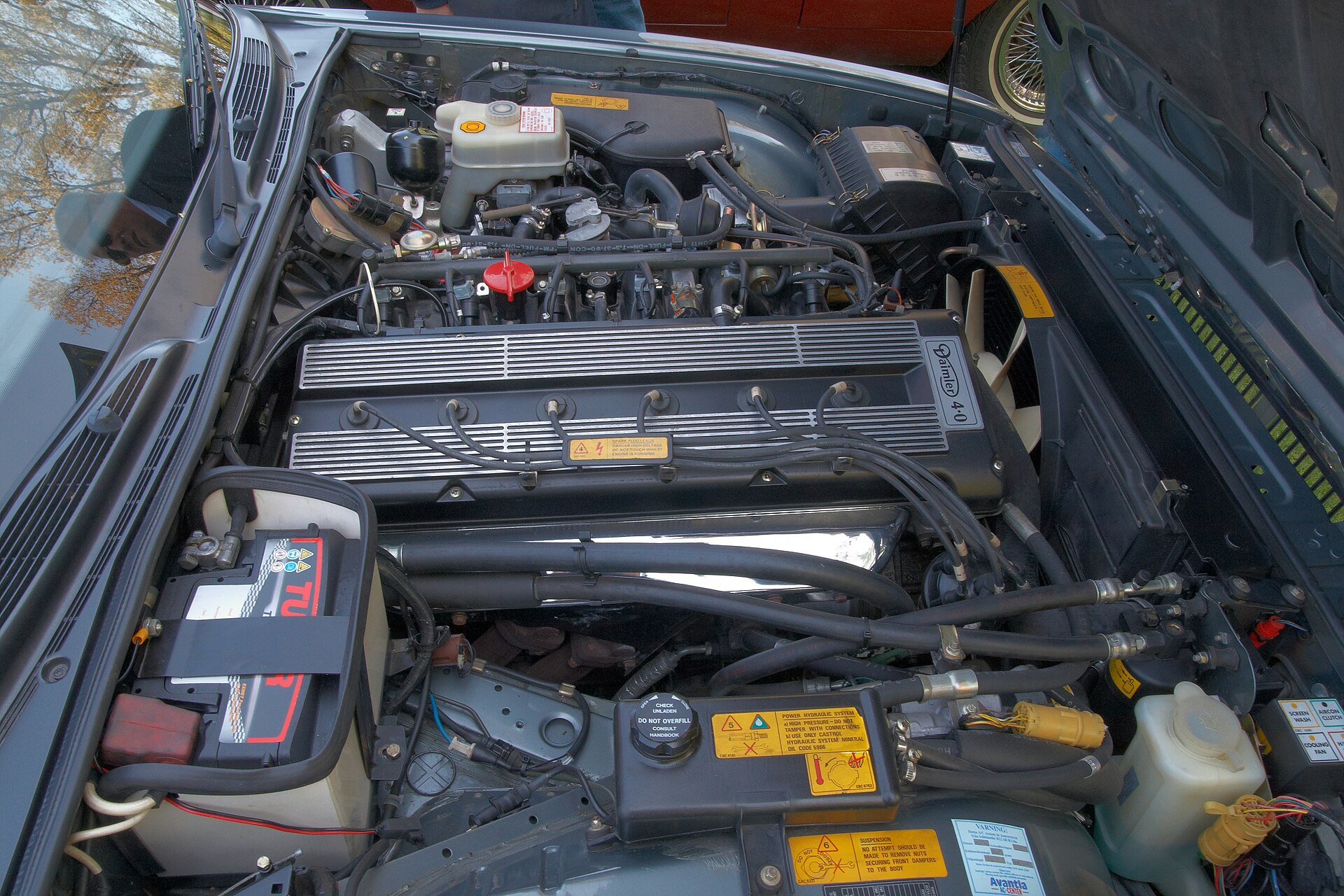
Avoid claiming “matching numbers” or “completely original” based solely on a photograph. These terms require documentary verification and, for an important vehicle, the opinion of a brand specialist. In the public advertisement, it is prudent not to display the full chassis number in very high definition; provide the complete details to a qualified buyer or the expert responsible for inspection.
Showing defects without devaluing the car
A well-documented defect is not a bad photo. It is information. For each scratch, chip, corrosion spot or visible repair, take two images: a wide enough view to locate the area and a sharp close-up to appreciate its extent. A coin can provide scale, without covering the defect.
The same method applies to interior defects, pitted chrome, cracked seals and old tyres. Do not wet the bodywork to mask micro-scratches and do not use retouching to erase a dent. Images must remain faithful to the vehicle offered, a principle also recalled by La Centrale’s photo charter.
If the condition strongly influences the price, compare the presentation with a valuation of the classic car’s sale price. A coherent series of photos will also facilitate the expert’s work.
Protect your data before publishing
Before uploading, examine each image in full screen. Sensitive information often appears in reflections or in the background. Mask or remove:
- home address, access badges and identifiable objects;
- faces of relatives or passers-by;
- registration certificate and identity documents;
- names, addresses, phone numbers and signatures on invoices;
- keys with codes, remote controls or storage tags;
- full chassis number when it is not publicly necessary.
The licence plate can also be obscured in public images if you wish to limit fraudulent reuse of the photos. Finally, check the geolocation metadata. Many platforms remove it, but this should not be assumed: disable location recording before the session or export a copy without GPS coordinates.
Keep the originals in a separate folder. The published version can be resized, but it must remain sufficiently sharp to examine the car. Add a discreet watermark only if necessary; a large watermark hinders analysis and gives a less professional impression.
In what order should the images be published?
The first photo should show the entire car, ideally in a three-quarter front view. The second can show the three-quarter rear, followed by the profiles, front and rear. Then group together the interior, engine, boot, wheels, undercarriage, accessories, documents and defects.
This progression mimics a real visit. It prevents the buyer from having to search for an essential view among repetitive images. Do not publish five almost identical shots: each photo must provide new information.
For a remote sale, add a short continuous video: a full tour, cold start, idle, instruments, lighting and operation of openings. A cold start must genuinely be performed with a cold engine and without deceptive editing. The video complements the photos but does not replace an independent inspection or a test drive. Also see our advice forbuying a classic car remotely, useful for anticipating the buyer’s requests.
Mistakes that cause loss of qualified contacts
- using old photos that no longer represent the current condition;
- using a manufacturer’s image or one of another vehicle;
- photographing only the attractive details without an overall view;
- publishing dark, vertical or overly compressed images;
- systematically avoiding the damaged side;
- allowing private data to appear in documents or reflections;
- retouching colour, gloss or defects;
- forgetting the boot, engine, underside and accessories;
- mixing photos from different dates without indicating it.
La Centrale’s charter also reminds sellers that they must have the necessary rights to the published images. Photographing your own vehicle remains the safest and most credible solution.
Preparing the sale with Plethore Cars
A beautiful series of images attracts attention; a documented presentation turns this attention into a qualified enquiry. Plethore Cars can assist with showcasing, valuing and selling a classic, sports or prestige automobile. You canhave your car valued for free or entrust its sale to Plethore Cars.
FAQ
How many photos are needed to sell a classic car?
Plan for at least 20 clear and distinct photos. For a rare, restored, or remotely sold car, 30 to 40 images are often more appropriate, provided each one conveys unique information.
What is the best photo for a car advertisement?
A horizontal three-quarter front view, taken at waist height, showing the entire car, with a simple background and soft lighting. It should represent the current condition of the vehicle, without any misleading filters or retouching.
Should the licence plate be obscured?
This is not the most useful photograph for the buyer. Obscuring it in a public listing limits the reuse of the image. Keep an original version and provide the necessary information in a secure setting.
Is it acceptable to photograph invoices and the maintenance logbook?
Yes, as they demonstrate the existence of the documentation, but mask names, addresses, phone numbers, signatures, bank details, and any personal data. Originals should be reviewed during a qualified exchange.
Should the car’s defects be shown?
Yes. Photograph each defect with both a contextual view and a close-up. This transparency reduces unnecessary visits and builds trust with a serious buyer.
Is a video useful for selling a classic car?
Yes, especially for remote sales. A continuous tour, a genuine cold start, and the operation of equipment effectively complement the photos. However, video does not replace inspection or test drives.