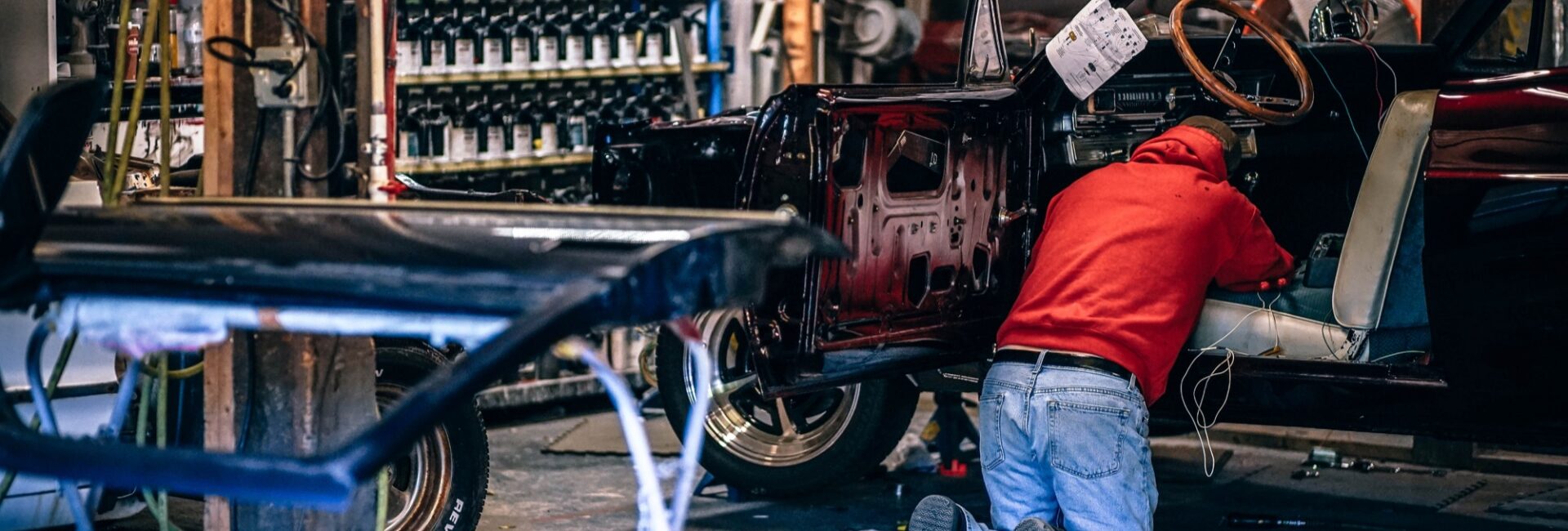
Yes, it is possible to repaint a classic car in a different colour.A simple change of shade generally does not alter the technical specifications listed on the registration certificate. However, the answer changes if the paintwork is accompanied by a body modification, a structural change, or elements likely to affect the vehicle’s approval. It is also important to distinguish what is legal from what preserves the authenticity and value of the car.
Before choosing a new shade, therefore check four points: the original configuration, the requirements of any FFVE certificate, the terms of the insurance contract, and the commercial impact of a colour not matching the model year.
Is it necessary to modify the registration document after a colour change?
Colour is not among the technical fields visible on the French registration certificate. A complete repaint, without modification of the structure or body type, therefore normally does not require issuing a new registration document.
Service-Public specifies that an update of the certificate is necessary within one month when a transformation affects the technical characteristics recorded: weight, dimensions, power, energy, braking, steering, emissions, category or bodywork, in particular. Minor modifications do not require this procedure.
The important distinction is as follows:
- repainting the existing bodyworkis a change of appearance;
- converting a coupe into a convertible, changing the body type, modifying the chassis or installing a structural kit constitutes a significant transformation;
- replacing panels identicallyas part of a repair does not have the same administrative effect as a vehicle transformation.
If the project goes beyond painting, request a written opinion from the DREAL or an authorised professional before starting work. The Ministry of Ecological Transition reminds that vehicles modified significantly may require an individual approval inspection.
Can a car with a classic registration change colour?
The “collection” designation does not physically prohibit repainting the vehicle. However, it implies a requirement for historical consistency. The FFVE states that a vehicle restored to obtain a certificate must correspond to its factory homologation sheet or the characteristics of its latest registration document.
A different shade but one available at the time may be easier to defend historically than a modern colour not listed in the catalogue. Nevertheless, colour is only one element of the dossier: the FFVE is mainly interested in identity, bodywork, engine, running gear and significant modifications.
For a vehicle already with a classic registration, keep evidence of the previous condition and the restoration. If a new certificate must be requested, if the vehicle’s identity is complex or if the bodywork has been modified, consult the FFVE before commissioning the painter.
Is it necessary to inform the insurer?
A simple colour change does not necessarily create an increased risk. However, the contract may include a vehicle description, an agreed value, photographs or specific conditions related to its condition. It is therefore prudent to inform the insurer and send photos after the work.
Article L113-2 of the Insurance Code obliges the insured to declare new circumstances that increase risks, create new ones or render inaccurate the answers given at subscription. Colour alone is rarely the critical point; a restoration accompanied by a significant increase in value, an engine change or a body modification can, however, alter the risk assessment.
After painting:
- send photos and the invoice to the insurer;
- request written confirmation that the warranties remain valid;
- update the insured value if the work has increased the vehicle’s value;
- keep all correspondence with the restoration file.
Does changing the colour reduce the value?
It depends on the model, its rarity, its initial condition, and the quality of the work. A paint job that does not match the factory original shade can diminish the appeal of a sought-after example prized for its authenticity, especially if its original colour was rare or well documented. On a more common car, a well-executed period-appropriate colour may have a limited impact.
The most important factors are:
- whether the original paint was still present before the work;
- the rarity of the body-interior combination;
- the conformity of the new shade to the model’s and year’s colour chart;
- the quality of the preparation and dismantling;
- painting of hidden areas: engine bay, boot, pillars and door interiors;
- traceability of the work;
- the possibility of restoring the original configuration.
A car repainted externally without treating the openings immediately reveals its former colour and can give the impression of a budget restoration. Conversely, a fully documented complete paint job, carried out after corrosion treatment, can improve the overall condition even if the shade differs from the original.
Before investing, compare the cost of the work to the vehicle’s value. A Plethore Cars valuation allows you to measure the gap between the current condition and the potential value after restoration.
How to find the original colour?
Start by searching for the paint code. Depending on the brand and era, it may appear on a manufacturer’s plate, a label in the engine bay, boot, door frame, or in production archives.
The most reliable method combines several clues:
- birth certificate or manufacturer’s production sheet;
- paint code and references from the period colour chart;
- dated old photographs;
- bodywork invoices;
- paint traces under seals, trims and plates;
- opinion of a brand club or a model specialist.
A hidden area is not always perfect proof: the vehicle may have been repainted in the past or received a replacement panel. Do not sand an intact part unnecessarily. For a historically important car, a layer analysis by a professional can help reconstruct the sequence of colours.
Our guide dedicated to the historical file of a classic car helps gather useful documents before any work.
Original shade, period colour or customised colour?
Reproducing exactly the factory original shade
This is the safest choice for authenticity. It is particularly suitable for rare cars, very well documented examples and models intended for concours events. Note: the original code alone does not guarantee the finish. Modern formulations, primers and varnishes can alter depth or gloss.
Choosing another colour available in the catalogue
This solution allows personalising the car while remaining consistent with its era. Check that the shade was indeed offered for the model, year and market concerned. A colour introduced several years later is not strictly correct for the vintage.
Opting for a modern or bespoke colour
This is legal if no technical characteristic is affected, but the impact on value may be more significant. Pearl, matte or special effect paints also require more complex future repairs. Keep the mix, exact reference and a sample card to facilitate touch-ups.
Preserving the original paint or repainting?
An old paint is not automatically a paint to be removed. The FIVA Turin Charter encourages preserving the historic material and coherent traces of the vehicle’s life. A stable patina can tell more than a new finish.
Conservation is relevant when:
- the original paint remains mostly present;
- corrosion is superficial and can be stabilised;
- defects do not prevent use or protection of the bodywork;
- the vehicle’s history justifies keeping its marks.
A complete repaint becomes more logical when corrosion progresses, when several incompatible touch-ups peel off or when metal protection is no longer ensured. Ask the bodyshop to distinguish areas that can be preserved from those that must be redone.
How much does a complete colour change cost?
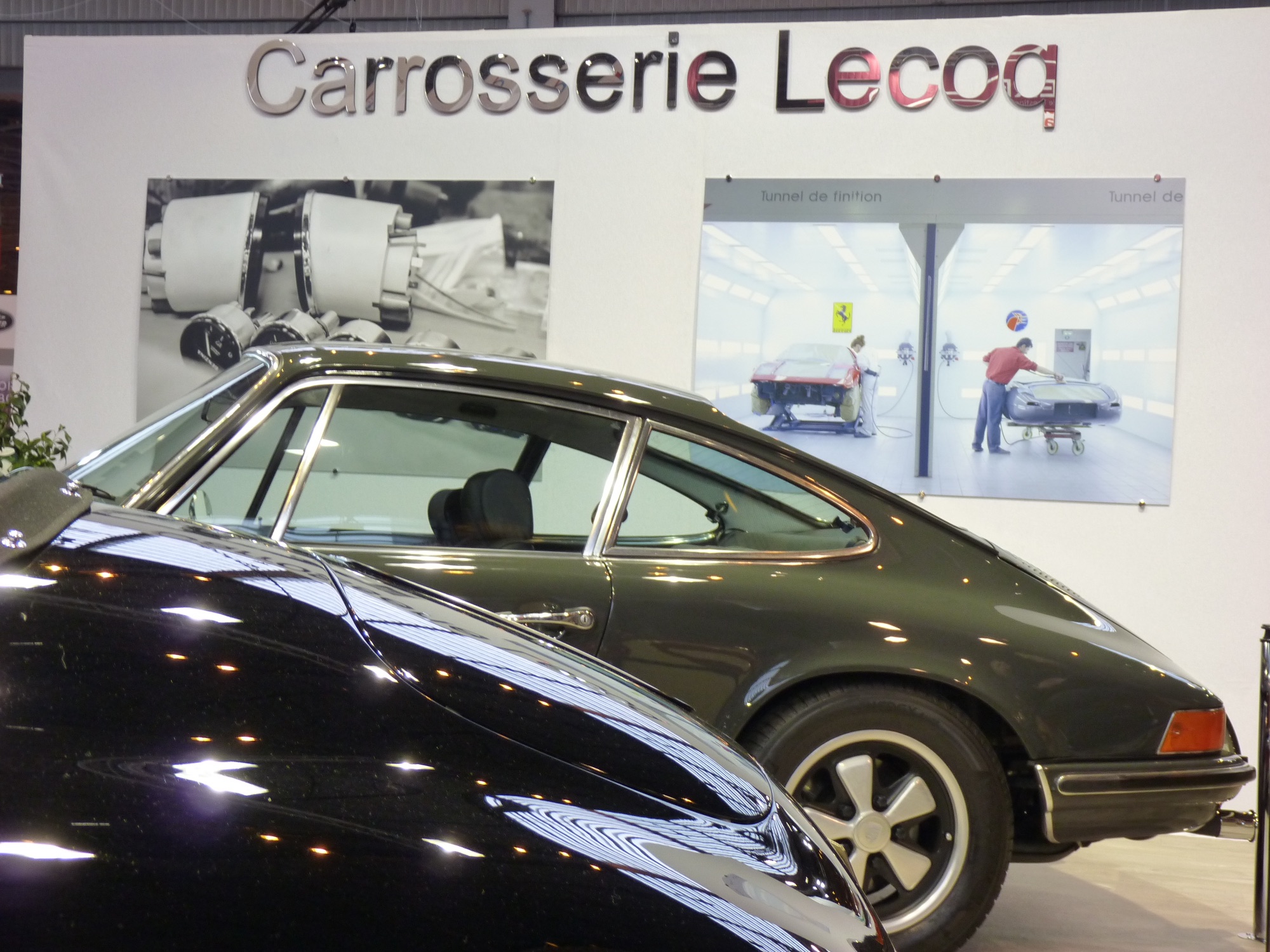
Changing the colour generally costs more than painting in the existing shade, because all visible areas must be treated. It is often necessary to remove glass, seals, handles, trims, lighting and sometimes the engine or interior to reach compartments.
The estimate must detail:
- dismantling and reassembly;
- stripping or preparation of the old paint;
- corrosion repair;
- primer and anti-corrosion treatments;
- exterior painting;
- engine compartment, boot, openings and wheel arches;
- replaced seals, clips and consumables;
- finishing and polishing time.
There is no universal price. Cosmetic painting and a complete colour change on a “bare shell” are not comparable. Demand a repair order and a written estimate. The DGCCRF recommends that the work, estimated cost, labour rate and timeframe be clearly indicated, along with client approval before any additional operations.
The 10 checks to carry out before choosing the colour
- Identify the factory code and original colour.
- Check whether the current paint is original, old or recent.
- Photograph all areas before dismantling.
- Look for corrosion beneath seals, sills and glazing.
- Define the objective: preservation, use, resale or competition.
- Consult the exact colour chart for the model year.
- Have a real sample prepared, viewed in sunlight and shade.
- Check compatibility with the upholstery, hood and carpets.
- Request an estimate specifying all painted areas.
- Confirm the situation in writing with the insurer if the value or characteristics change.
For a car you are considering buying, have apre-purchase inspectioncarried out. An attractive colour can conceal old repairs, filler or structural corrosion.
What to provide to the prospective buyer?
At the time of resale, transparency protects the value. Provide photos before, during, and after the work, paint references, the bodyshop invoice, and any removed parts kept. Clearly state that the colour has changed and specify the original colour when known.
The new colour must not be presented as “original” if it is not. A clear dossier reassures more than a restoration whose history is concealed. Also consult the classic cars for sale on Plethore Cars to observe how colours, restorations, and histories are described.
FAQ
Must a colour change be declared to the ANTS?
A simple repaint, without technical modification or bodywork change, generally does not require a new registration certificate. If the work modifies the body, structure, or a technical characteristic, a procedure may become mandatory.
Can a modern colour be applied to a car with classic registration?
Paint alone is not a technical modification, but a modern shade may reduce historical coherence and value. For a complex FFVE certificate request, contact the Federation before the work.
Should the insurer be informed?
It is prudent to do so, especially if the restoration increases the insured value or if other modifications accompany the paintwork. Provide photos, the invoice, and request written confirmation.
Does a different colour cause failure at the MOT?
Colour alone is not a reason for failure. The inspection focuses notably on safety, identification, and condition of components. An unregularised body modification is another matter.
Which colour maximises value?
There is no universal rule. The factory original colour, when rare and documented, is often the most reassuring for collectors. The quality of the work and coherence with the interior remain essential.
Is a vinyl wrap preferable to paint?
Vinyl wrapping is more reversible but does not address corrosion or degraded paint. On an older body, its application and removal can damage a fragile finish. Request a prior assessment.
Main sources
- Service-Public — Modified vehicle and registration certificate, modifications to declare, deadlines and required documents.
- France Titres — Registration certificate or vehicle registration document, role and characteristics recorded on the document.
- Ministry of Ecological Transition — Vehicle approval, notable modifications and individual approval.
- FFVE — Precautions before restoration, historical conformity and transformations.
- FIVA — Turin Charter, principles of preservation and restoration.
- Légifrance — Insurance Code, article L113-2, declaration of new circumstances aggravating the risk.
- DGCCRF — Repair order and automotive estimate, client information and additional work.
Information verified on 26 October 2026. In case of modifications exceeding the paintwork, request a written position from the authorities and your insurer before commencing work.