To trace the history of a classic car, it is necessary to cross-reference several types of evidence: the HistoVec report provided by the owner, technical inspection reports, maintenance and restoration invoices, previous registration documents, manufacturer or brand club archives, and, where possible, departmental archives.No single document alone tells the entire life story of a car.The correct approach is to establish a chronology, verify that dates, mileages and numbers match, then have any inconsistencies examined before purchase.
This investigation is not only to satisfy the collector’s curiosity. It can reveal a long period of inactivity, poorly documented restoration, identity changes, incomplete importation or mileage discrepancies. Conversely, a continuous and verifiable file builds confidence and can support the vehicle’s value.
Sources to prioritise gathering
| Source | What it can establish | What it does not prove on its own |
|---|---|---|
| HistoVec report | French administrative data, changes of ownership, administrative status, certain incidents, technical inspections and mileages | Maintenance, all repairs or the vehicle’s life before its entry into the SIV (Vehicle Registration System) |
| Technical inspection reports | Dates, recorded mileages, defects noted at the time of inspection | Usage between two inspections or complete mechanical authenticity |
| Invoices and maintenance logbook | Work carried out, dates, workshops, parts replaced, declared mileages | That all work was done properly or that the mileage is certain |
| Previous registration documents and import papers | Administrative identity, country of origin, successive owners or holders according to available documents | The actual condition of the vehicle or the complete continuity of its history |
| Manufacturer archives, registers and clubs | Factory configuration, chassis number, production or delivery date depending on the brand | All subsequent events |
| Independent appraisal | Physical consistency, repair traces, apparent authenticity, risk assessment | An absolute guarantee on an undocumented past |
1. Request the HistoVec report from the seller
HistoVec is the first reflex for a vehicle registered in France. This official and free service relies on data from the vehicle registration system.Only the owner can generate the report and share its link with a potential buyer: a buyer cannot freely query the database using a licence plate.
According to the official Service-Public page dedicated to HistoVec, the report can notably present the date of first registration, successive changes of ownership, administrative status, dates and results of technical inspections with mileage history, as well as accidents that led to a repair procedure overseen by an expert.
Ask the seller to create the report in your presence or to send you a recent link. If the link no longer works, they must generate a new one. For a vehicle still bearing an old registration number, the HistoVec FAQ specifies that certain information must be entered exactly as on the registration certificate, notably its issue date rather than the date of first circulation.
What the absence of events in HistoVec does not mean
A report without recorded accidents does not prove that the car has never been involved in an accident. The official scope covers certain incidents followed by a repair controlled by an expert; an old, private repair, carried out abroad or outside this system may not appear. Likewise, HistoVec is neither a maintenance log nor a comprehensive record of restorations.
Also check the consistency of the administrative status using our guide to the certificate of non-encumbrance for a classic car. HistoVec provides a solid foundation, but it is not the end of the investigation.
2. Reconstruct the chronology of technical inspections and mileage
The mileage displayed on a classic car should be read as an indicator, never as an isolated truth. A five-digit odometer can reset to zero after 99 999 km, an instrument cluster may have been replaced, and some cars have experienced long periods without inspection.
Start by recording all available mileages in a table: HistoVec, technical inspection reports, invoices, logbook, old adverts and dated photographs. Arrange them chronologically. A steady progression is reassuring; a decrease, an unexplained jump or several years without records require documented explanation.
If an old inspection report has been lost, Service-Public states that the centre which carried out the inspection can issue a duplicate or a certificate containing the essential information, provided they can locate the file. The owner must initiate the request.
Do not automatically conclude fraud in the event of an anomaly. Instead, note the discrepancy, look for an invoice for the replacement of the odometer, a dashboard restoration, or a conversion between miles and kilometres, then ask the expert to compare the declared mileage with the actual wear on the controls, seats, pedals, and mechanical components.
3. Auditing invoices, service book and restoration file
A good maintenance file is not judged by the thickness of the folder, but by its continuity. Examine each invoice and note:
- the date, mileage and identity of the vehicle;
- the name and contact details of the workshop;
- the precise nature of the parts and work carried out;
- the references of important replaced components;
- the presence of photographs before, during and after restoration;
- any estimates, expert reports and correspondence with specialists.
Be wary of vague descriptions such as “engine overhaul” without detail, series of invoices created over a short period to cover several decades, or documents where the vehicle designation changes. Contact workshops still in operation with the seller’s consent. They may not necessarily be able to provide data on a former client, but they can sometimes confirm the authenticity of an invoice or the general nature of a repair.
For a major restoration, look for evidence relating to the body shell, chassis, engine, gearbox, original colour and bodywork elements. A perfectly restored car can be excellent to drive while being less original than claimed. The file should allow distinction between restoration, reconstruction and simple maintenance.
4. Verifying the vehicle’s physical identity
The documentary history is only valuable if it relates to the car being examined. Compare the chassis or serial number with box E on the registration document, the manufacturer’s plate and model-specific archives. Photograph the markings without sanding or altering their surface.
Observe the font style, rivets, welds, layers of paint and signs of replacement around identification areas. Any inconsistency should be examined by a professional familiar with the brand. Our guide on the matching numbers of a classic car explains the difference between administrative identity, engine number and historical conformity of main components.
The term “matching numbers” does not have exactly the same meaning depending on the manufacturer and era. Therefore, ask for the source used by the seller: manufacturer’s certificate, recognised register, copy of a production sheet or simple declaration. A commercial claim without documentation should remain a hypothesis.
5. Searching departmental archives and old registers
For the oldest vehicles, departmental archives may hold registration registers predating modern systems. The holdings vary greatly depending on the department, period, destruction, classification and consultation rules.
An example published on FranceArchives describes registration registers preserved in Haute-Garonne for the period 1963-1977 and recalls the succession of former systems. This sheet illustrates the type of lead available; it does not mean that every department has a complete or digitised series.
The method is simple: identify the department corresponding to an old registration or an address appearing in the file, consult the finding aid of the relevant archives, then request access conditions. Provide the old number, make, model, probable period and any register reference already identified. Respect restrictions related to personal data and do not republish names or addresses of former owners without necessity or legitimate basis.
An old registration document, a dated photograph or a garage label can provide the starting point. Always keep a copy of the archive valuation and the URL of the record so that a future buyer can verify your discovery.
6. Contact the manufacturer, brand registers and clubs
Some brands have a heritage service capable of confirming a production date, factory configuration, colour, engine or delivery market. The service may be chargeable and require precise photographs. Before ordering a certificate, check exactly what it certifies: a copy of the factory sheet is not an appraisal of the current car.
For a defunct brand, look for the official club or the international model register. A reputable register explains its method, distinguishes observed data from declared information and protects owners’ contact details. Always compare its conclusions with physical markings and original documents.
The FIVA identity card offered by the FFVE can also document a vehicle over 30 years old. The FFVE presents it as a document describing the owner, characteristics, history and originality of the vehicle, valid for ten years and kept in an archive. It is a useful piece of the file, not a substitute for the registration document, HistoVec or a pre-purchase appraisal.
7. Use sales catalogues, adverts and old photographs
Auction catalogues, old magazines, club forums and copies of adverts can reveal a past colour, registration number, declared mileage or a previously mentioned restoration. Use a search combining the brand, model, chassis number when it can be legally published, an old registration and visible peculiarities of the car.
These sources are secondary: an advert sometimes copies an old error and a catalogue is not always a comprehensive appraisal. Record the URL, date of consultation and a lawful copy of useful elements. Compare photographs: wheels, mirrors, upholstery, competition stickers, bodywork defects and accessory layout can help recognise the same vehicle.
Special case of an imported classic car
HistoVec covers the administrative history recorded in France. For an imported car, also request the foreign title, customs clearance documents if necessary, applicable tax certificate, foreign technical inspections, invoices and proof of deregistration or export depending on the country.
Check that the chassis number is identical on all documents despite differences in presentation. A transcription error, a confused character or the historical use of an engine number can block French registration. Never alter a marking to match the paperwork: have the discrepancy clarified before purchase.
Build a provenance file that is genuinely usable
Create a timeline with five columns: date, mileage, country or place, event, proof. Then assign a level to each piece of information:
- Primary evidence : official document, identifiable original invoice, manufacturer sheet or dated and contextualised photograph.
- Corroborating evidence : several independent sources recount the same event.
- Clue : advert, testimony or undated photograph that remains to be confirmed.
- Statement : seller’s assertion without supporting evidence.
This hierarchy prevents turning an appealing legend into a certainty. Explicitly indicate any unknown periods. An honest history with an identified gap is better than an artificially complete biography.
Before concluding, entrust the vehicle and its dossier to an independent professional. Our article on thepre-purchase inspection of a classic cardetails the checks to be carried out. The expert must compare the paperwork with the car itself, not just comment on the documents provided by the seller.
Warning signs before purchase
- the seller refuses to generate HistoVec or only provides a partial screenshot;
- the chassis number differs from one document to another;
- the mileage decreases without an invoice for a replacement odometer;
- a major restoration is not accompanied by any photos or detailed invoices;
- original old titles are replaced by barely legible copies;
- the announced prestigious history is based solely on testimony;
- several years or countries appear without transitional documents;
- signs of welding, grinding or recent rivets surround the identifiers;
- the price implies an exceptional provenance that no one can confirm.
A warning sign does not always mean the purchase must be abandoned. However, it should alter the negotiation, the scope of the inspection, or the suspensive conditions. To compare your research with the current market, consult theclassic cars for sale on Plethore Cars.
Checklist: the 10 checks before signing
- Request a recent HistoVec link from the owner.
- Compare the registration document, manufacturer’s plate and chassis number.
- Record all mileages in chronological order.
- Check the apparent authenticity of important invoices.
- Identify periods without documents and request a written explanation.
- Verify foreign documents and the transition to French registration.
- Consult the heritage service, the relevant register or club.
- Search for old advertisements, sales, and photographs.
- Have the car and its file examined by an independent expert.
- Include in the contract the key assertions: mileage, origin, identity, and restoration.
FAQ
Can HistoVec be consulted with just a registration plate?
No. The vehicle owner must identify themselves on HistoVec, generate the report, then share the link with the buyer. This arrangement prevents free access to the history from just a registration plate.
Does HistoVec indicate all accidents?
No. The official service records incidents that resulted in a repair procedure overseen by an expert. An undeclared repair, an old one, or one carried out abroad may not appear.
How to verify the mileage of a classic car?
Cross-reference the HistoVec history and technical inspections with invoices, the service book, advertisements, and dated photographs. Take into account five-digit odometers and documented replacements. An assessment of wear remains essential.
Do departmental archives allow you to find all previous owners?
No. The collections and their access conditions vary depending on the department and the period. Some registers have disappeared or are not digitised, and personal data cannot be disclosed without caution.
Does a manufacturer’s certificate guarantee the current authenticity of the car?
Not necessarily. It may describe the factory configuration or a production date, but it is still necessary to verify that the vehicle presented materially corresponds to the document and to identify any subsequent modifications.
Should you give up on a car whose history is incomplete?
Not automatically. The absence of a file is common with older vehicles. However, it must be factored into the price, the appraisal, and the contract declarations. The more the value depends on a particular provenance or originality, the more critical the absence of proof becomes.
Sources and photographic credits
Information verified on 21 September 2026 with HistoVec, Service-Public — HistoVec report, Service-Public — technical inspection, FranceArchives — registration registers, FFVE — FIVA identity card and FFVE — history of a classic vehicle.
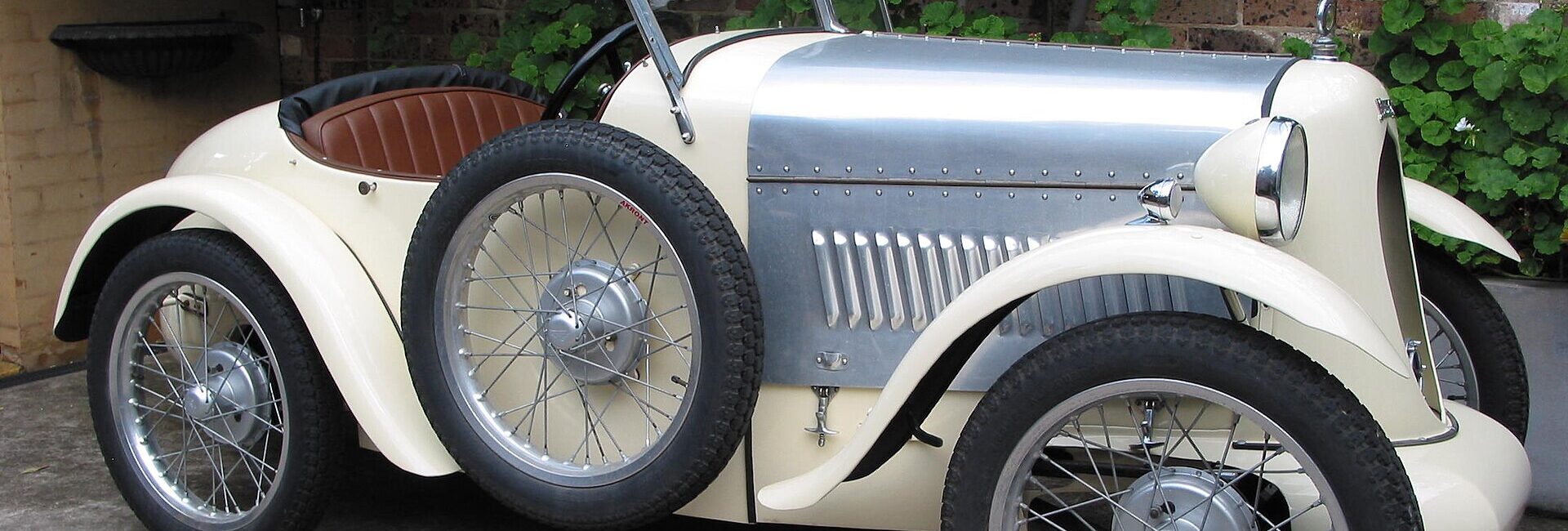
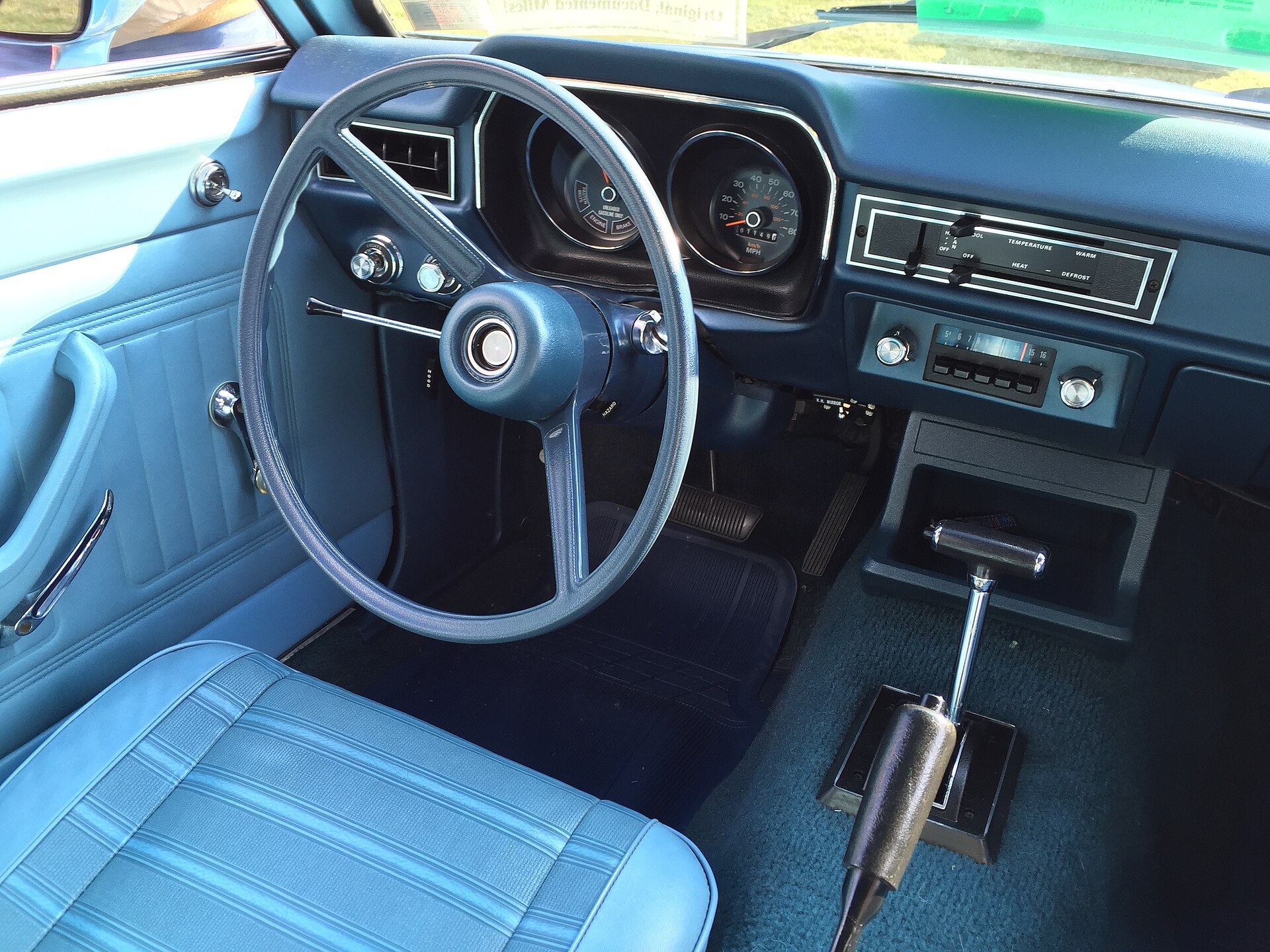
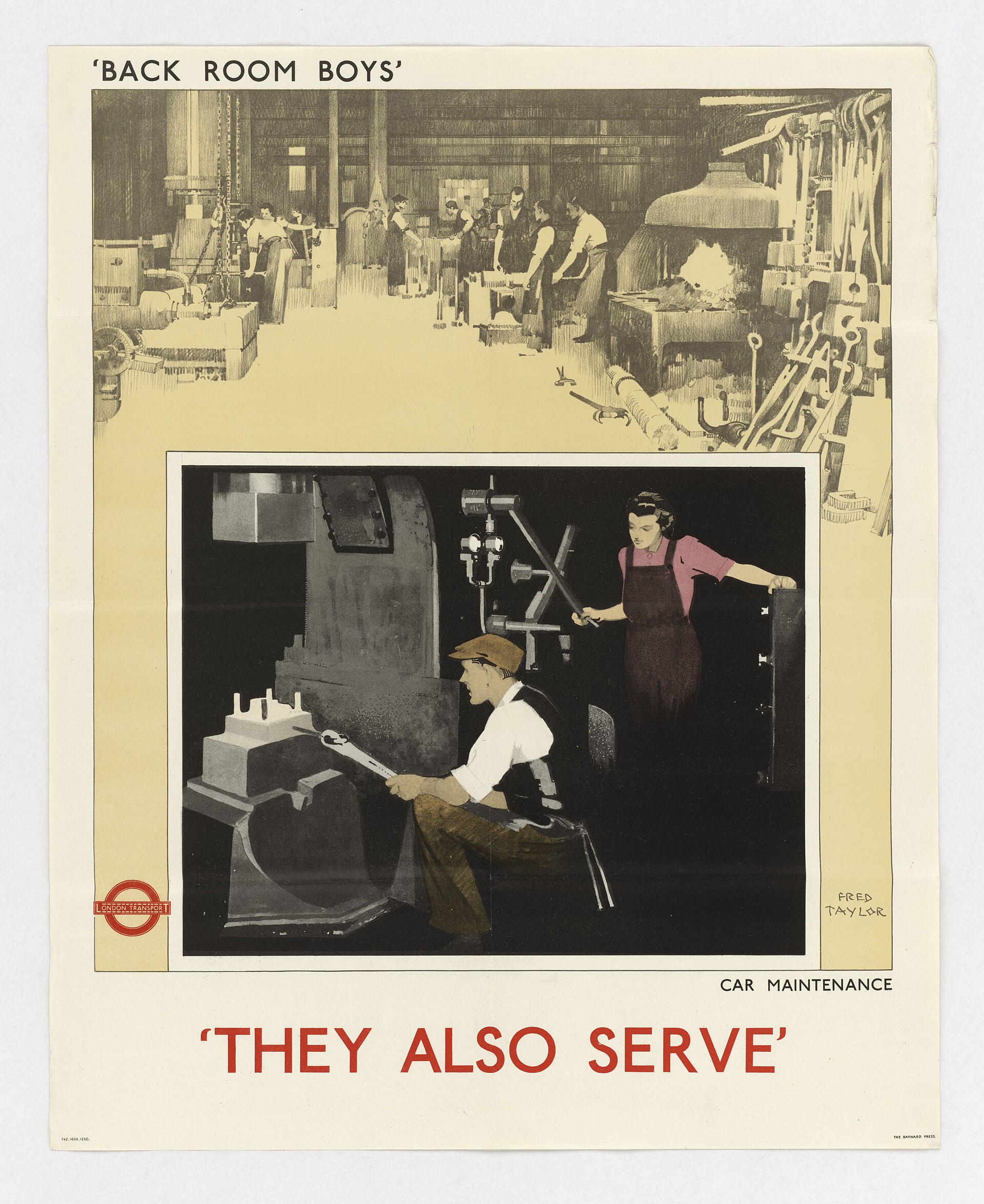
Photographs: “Austin Seven Meteor – Robinson & Co 1929”, Christopher Killalea, Wikimedia Commons, CC BY-SA licence 3.0 ; “1978 Ford Pinto hatchback at 2015 Rockville Show 5of5”, Christopher Ziemnowicz (CZmarlin), Wikimedia Commons, CC BY-SA licence 4.0 ; “Back Room Boys’ They Also Serve — Car Maintenance”, Office for Emergency Management / NARA, Wikimedia Commons, public domain.