Buying a classic car from a professional can be reassuring, but it does not exempt you from checking the vehicle, its history, and the contract. The main benefit is legal: when a private individual buys from a professional seller, they notably benefit from the legal guarantee of conformity, in addition to the guarantee against hidden defects. However, these protections do not replace a thorough inspection or a precise written file.
Here are the checks to carry out before signing, the guarantees that truly apply, and the procedure to follow if a defect appears after delivery.
What guarantee applies to a classic car purchased from a professional?
The short answer is clear: a used car bought by a consumer from a professional benefits from the legal guarantee of conformity for two years from the date of delivery. For a used item, a defect appearing within the first twelve months is presumed to have existed at the time of delivery, unless proven otherwise. Beyond this period, the guarantee can still be invoked within the two-year timeframe, but the question of proof becomes more significant.
The age of the car does not remove this guarantee. However, conformity is assessed taking into account the vehicle’s description, its age, its declared condition, its mileage, and the qualities promised in the advertisement or contract. Normal wear or a defect clearly indicated and accepted before the sale is not treated as an unforeseeable breakdown on a vehicle presented as sound.
Beware of the shortcut “three-month guarantee on engine, gearbox and axle.” The DGCCRF reminds that this phrase refers to a commercial guarantee and cannot replace legal guarantees.
The three protections to distinguish
| Protection | Principle | Key point |
|---|---|---|
| Legal guarantee of conformity | Protects the private individual who buys from a professional | Two years from delivery; twelve-month presumption for a used vehicle |
| Guarantee against hidden defects | Concerns a hidden defect, prior to the sale and sufficiently serious | The buyer must establish that the defect is hidden, prior and serious |
| Commercial Warranty | Optional commitment by the seller, sometimes limited to certain components | Its exclusions and duration must be read; it is in addition to legal warranties without reducing them |
Depending on the issue and legal conditions, the conformity warranty may lead to bringing the vehicle into conformity, then, if this is impossible, refused or does not occur under the stipulated conditions, to a price reduction or contract termination. Each case remains factual: the buyer must first notify the seller and allow them to inspect the vehicle.
Verify who is actually selling the car
A car displayed in a showroom may belong to the professional, be sold on consignment, or be offered by an intermediary. This distinction changes the legal analysis. Before any payment, ask for:
- the full identity of the seller appearing on the contract and invoice;
- the company’s SIREN or SIRET number;
- the exact role of the professional if the car is on consignment;
- the name of the payment beneficiary, which must correspond to the contracting party or be clearly justified;
- the contact details of the consumer mediator to whom the professional is subject.
Do not be satisfied with the brand logo or an oral presentation. The invoice, order form and transfer certificate must clearly indicate who is committing to you.
The file to request before visiting
Request the chassis number, copies of key documents and detailed photographs before the appointment. For a classic car, the ideal file includes:
- the registration certificate and the identity of the holder;
- a reportHistoVec, shared by the seller;
- maintenance and restoration invoices;
- available previous technical inspections;
- photographs of bodywork, upholstery or mechanical repairs;
- certificates of authenticity or announced attestations;
- the history of owners, when documented;
- the mileage status: certified, recorded on the odometer or not guaranteed;
- the list of parts not original and modifications.
Our guide dedicated to the history of a classic car details the useful cross-checks between chassis number, archives, invoices and technical inspections.
Have the car inspected, even if it is sold by a professional
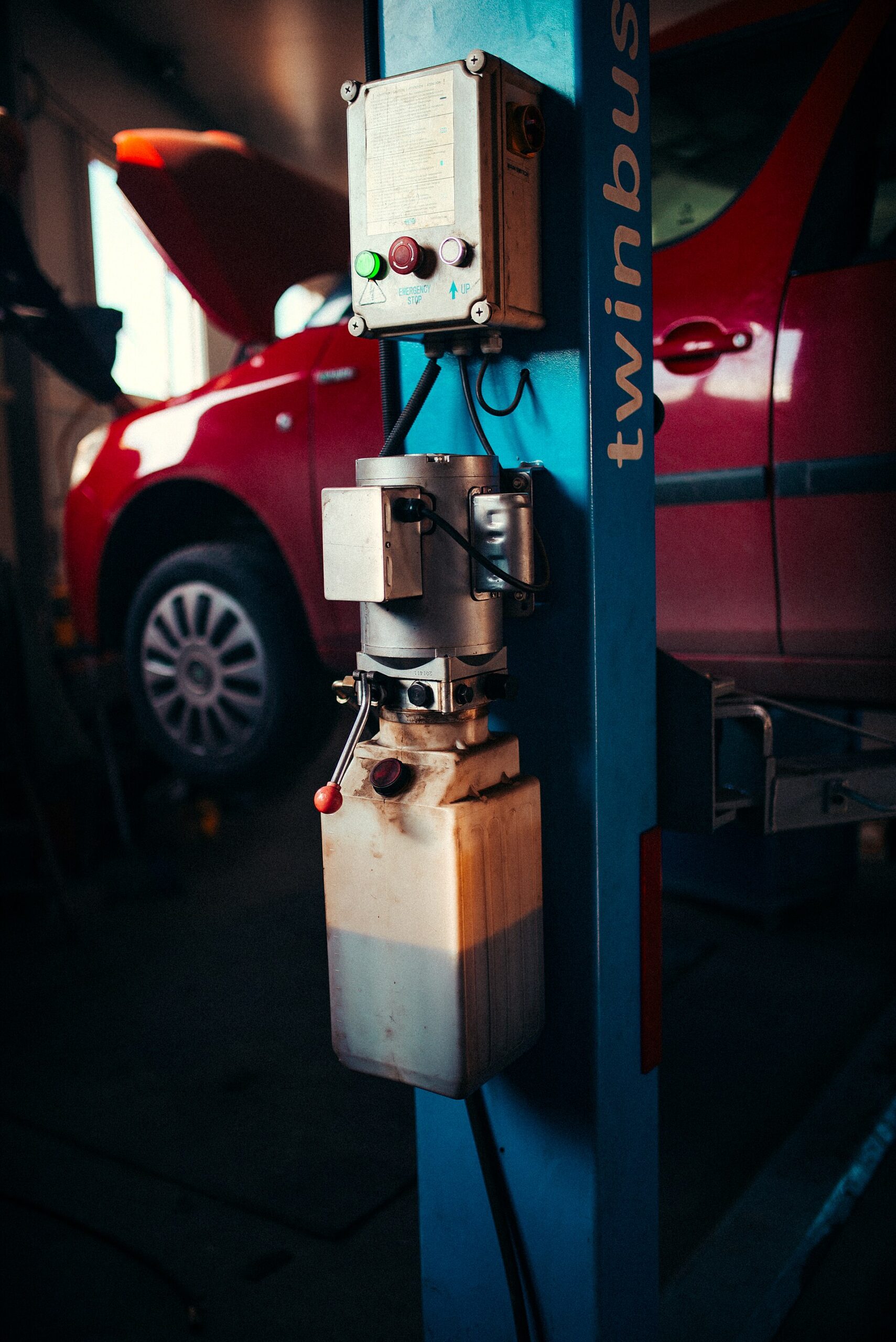
A professional seller is not necessarily a specialist in every model. An independent appraisal remains relevant, especially for a restored or high-value classic car. Ideally, it should include a cold start, a road test and an examination on a lift.
Prioritise checking structural corrosion, signs of accidents, welds, leaks, compression if the model warrants it, braking, running gear and electrical equipment. Also verify the consistency of engine, gearbox and chassis numbers when the listing mentions “matching numbers” components.
The expert must compare the car to what is promised, not just confirm that it runs. Find the methodological points in our article on appraisal before buying a classic car.
What the order form must specify
Any significant commitment must be in writing. The contract or order form should specify:
- the exact contact details of the professional seller and the buyer;
- the make, model, version, date of first registration and chassis number;
- the displayed mileage and how it is described;
- the total price including VAT and the breakdown of charged services;
- the declared condition, known defects, modifications and agreed work;
- the documents and accessories handed over;
- the date and conditions of delivery;
- the terms of the commercial warranty, if any;
- the contact details of the consumer mediator.
Keep a dated copy of the advertisement, emails and photographs. A precise promise — recent restoration, original engine, absence of corrosion or certified mileage — can be important in assessing conformity.
Which documents must be provided at the sale?
The professional must provide the documents necessary for the transfer: certificate of sale, crossed-out, dated and signed registration certificate, and administrative status certificate less than fifteen days old. A technical inspection report is required when the vehicle is subject to this obligation and legal conditions impose it.
Technical inspection rules can vary depending on the vehicle’s age, type of registration, and usage. It is therefore necessary to verify the specific situation of the car rather than mechanically applying the general rule. The official DGCCRF sheet on purchasing a used vehicle summarises the information obligations and common documents.
Purchase in showroom or remotely: is there a right of withdrawal?
There is no general right of withdrawal for a purchase concluded directly on the professional’s premises. However, a contract concluded entirely at a distance or outside the establishment generally opens a fourteen-day withdrawal period, subject to applicable rules and exceptions. For goods, the period usually starts from the date of receipt.
The boundary can be debated if negotiations began online but were completed in the showroom. Have the method of contract conclusion specified in writing. To prepare a purchase without immediately seeing the car, also consult our guide to buying a classic car remotely.
What to do if a breakdown or defect appears after purchase?
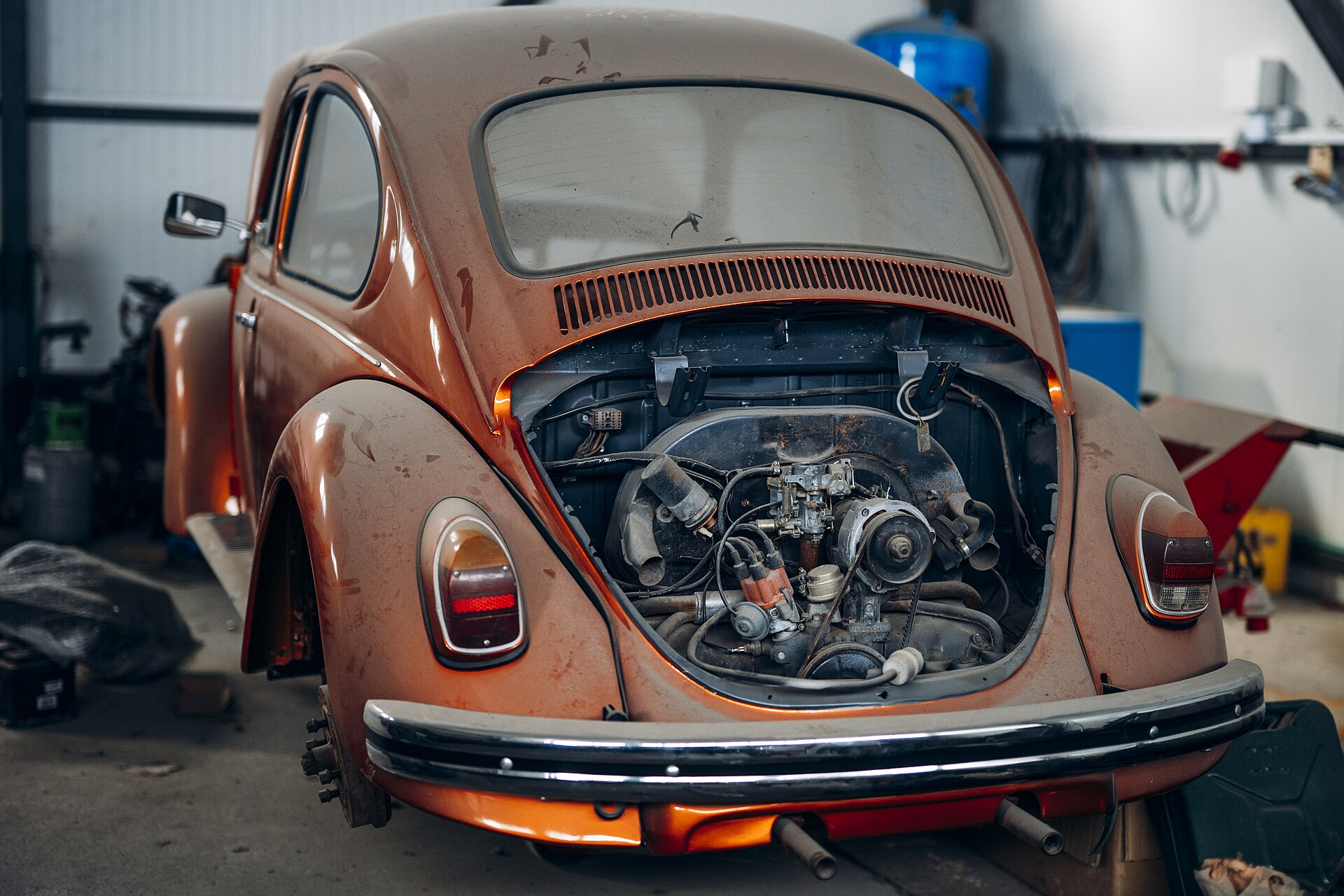
The priority is to preserve safety and evidence. Avoid dismantling or repairing the vehicle without informing the seller, except in cases of essential emergency.
- Immobilise the car if the breakdown could compromise safety or worsen the damage.
- Photograph the symptoms, keep messages, repair invoices, and diagnostics.
- Notify the professional promptly and request a written solution.
- If disagreement persists, send a formal complaint, preferably by registered letter with acknowledgment of receipt.
- If necessary, arrange a joint expert assessment by summoning the seller.
- After an unsuccessful written amicable attempt, contact the professional’s consumer mediator free of charge; a report can also be made on SignalConso.
- As a last resort, seek your legal protection, a consumer association, or a legal professional.
Chronology is essential. Unilateral repair can make it more difficult to determine the origin of the defect. The seller must be able to observe the problem, without obliging you to accept an oral or imprecise solution.
The right balance: select, document, and have it inspected
Buying from a professional provides a framework and additional recourse, but the best protection remains a coherent set: clearly identified seller, detailed contractual description, verified history, independent inspection, and traceable payment.
To compare available offers, consult the classic and prestige cars offered on Plethore Cars. A beautiful presentation should never replace the file, the test drive, and documentary checks.
FAQ
Is a classic car purchased from a professional guaranteed for two years?
Yes, when a private individual buys from a professional, the legal guarantee of conformity applies for two years from the date of delivery. For a used vehicle, a defect appearing within the first twelve months is presumed to have existed prior to the sale, unless proven otherwise.
Is the “engine, gearbox, axle” guarantee sufficient?
No. This is generally a limited commercial guarantee. It does not replace either the legal guarantee of conformity or the guarantee against hidden defects.
Can a purchase signed in a garage be cancelled?
Not through a general right of withdrawal: such a right does not automatically exist for a purchase concluded in-store. A right of withdrawal may exist for contracts concluded at a distance or off-premises, subject to legal conditions.
Does the technical inspection prove that the car is sound?
No. It checks regulatory points at a given moment, but does not constitute a historical appraisal, a certificate of authenticity, nor a guarantee against all mechanical or structural defects.
Who should pay for the pre-purchase appraisal?
In practice, the buyer often appoints and pays the expert of their choice. This investment can prevent a costly mistake and creates a documented condition report of the vehicle before the sale.
What should be done if the professional refuses any responsibility?
Submit a written complaint citing the invoked guarantee and attach evidence. If no solution is found, contact the consumer mediator after this preliminary step, then consider a contradictory appraisal and appropriate legal action.
Official sources consulted
- DGCCRF — Purchase of a used vehicle: seller’s obligations
- Service-Public — Legal guarantee of conformity
- DGCCRF — Legal guarantees of conformity and against hidden defects
- DGCCRF — Sale of used cars: beware of deception
- Service-Public — Vehicle transfer documents
- DGCCRF — Resolving a consumer dispute
Information verified on 20 October 2026. This guide provides general information and does not replace legal advice tailored to a specific case.