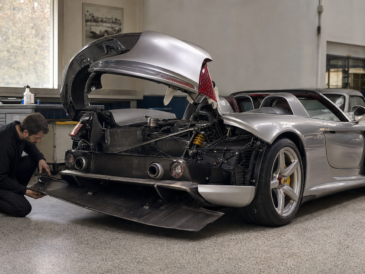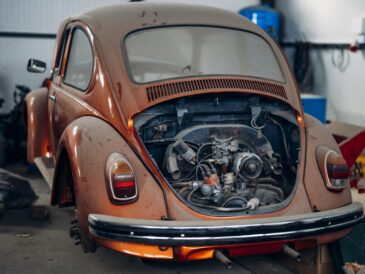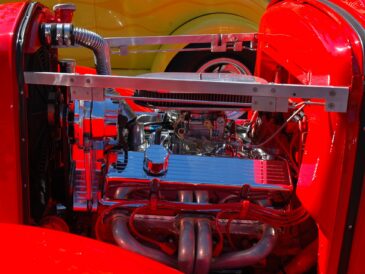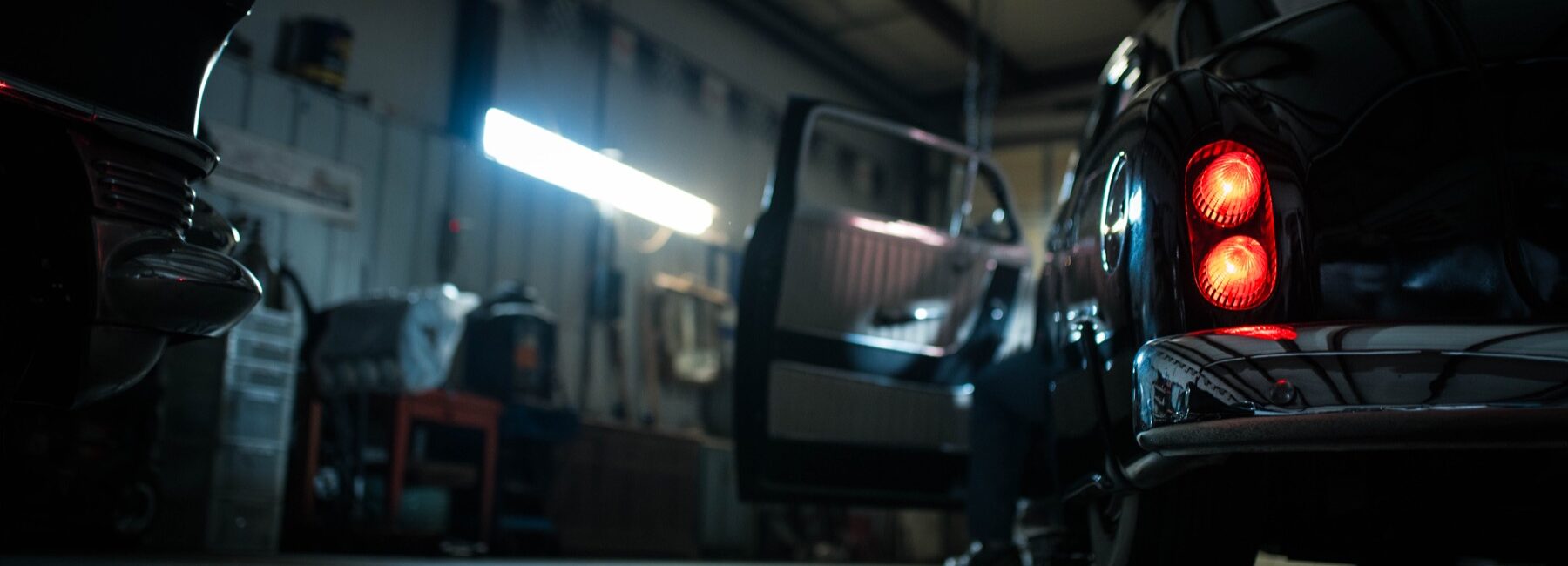
To store a classic car without damaging it, place itclean and perfectly dry in a dry, ventilated and stable space,check the fluids, protect its battery with a compatible charger maintainer, adjust the tyre pressures and use a breathable indoor cover. Before immobilisation, note all the operations carried out. When restarting, inspect the car before turning the key and only resume driving after checking the tyres, brakes, fluid levels and any possible leaks.
An old car is not preserved simply because it is not driven. Immobility encourages battery discharge, tyre flat spots, seizure of certain components and damage related to humidity. The most costly mistakes are often subtle: covering a bodywork that is still damp, letting a battery discharge deeply or running the engine for a few minutes without properly warming it up.
Quick answer: the goal is not to heat the garage at all costs, but to keep the car dry, clean and monitored. Always adapt the battery, fuel, lifting points and restart procedure according to the model’s manual.
Where to store a classic car?
The best location is a closed garage, clean, ventilated, protected from leaks and large humidity variations. A cold but dry space can be preferable to a heated area where condensation is poorly controlled.
TheCanadian Conservation Institute recommends maintaining relative humidity below 70 % to limit the acceleration of corrosion. It also reminds that excessively dry air can weaken certain wooden assemblies or leather elements under tension. For a large collection, a hygrometer therefore allows monitoring the space’s trend instead of relying on an impression.
Check in practice:
- absence of leaks through the roof, walls or floor;
- sufficient ventilation, without dust-laden drafts;
- a clean, stable floor not contaminated by oil or fuel;
- distance from solvents, chemicals, grinding work and sources of sparks;
- security of access, as well as maintaining insurance during immobilisation;
- enough space to inspect the car without bumping it.
A simple carport protects against vertical rain, but less well against humidity, wind, UV, pests and vandalism. Outdoor storage should remain a last resort solution with protection designed for this use and much more frequent monitoring.
Prepare the bodywork and interior
Wash the car, including wheel arches and areas exposed to salt, then dry it completely. Water trapped in a seal, a fold of metal or under a mat can cause more damage under a cover than a few weeks of dust. A wax compatible with the finish can provide additional protection, but it does not replace cleaning or drying.
Vacuum the interior and boot. Remove food, damp papers and soiled cloths. Examine the carpets, door bottoms and spare wheel well for signs of infiltration. Leather and trims should only receive products compatible with their nature and condition; an old or restored upholstery deserves the opinion of the specialist who knows it.
TheFFVE advises a thorough cleaning, drying, fluid check and storage in a dry, ventilated place. It also recommends a breathable cover rather than a waterproof tarp that could trap moisture.
Which cover should you choose?
For a garage, choose a soft, clean, breathable indoor cover that fits well. Place it only on a cold, dry bodywork free of any abrasive dust. Avoid plastic film in direct contact with the paint.
A cover should not conceal a problem with the premises. If the walls are dripping or if moisture is rising from the floor, the environment must first be treated or monitored. Regularly inspect underneath the cover: protection installed for six months should not render the car invisible for six months.
Battery: disconnect or use a charge maintainer?
A battery naturally discharges, while an alarm, clock, tracker or computer can continue to consume current. Two solutions are possible depending on the car: disconnection or intelligent charge maintenance.
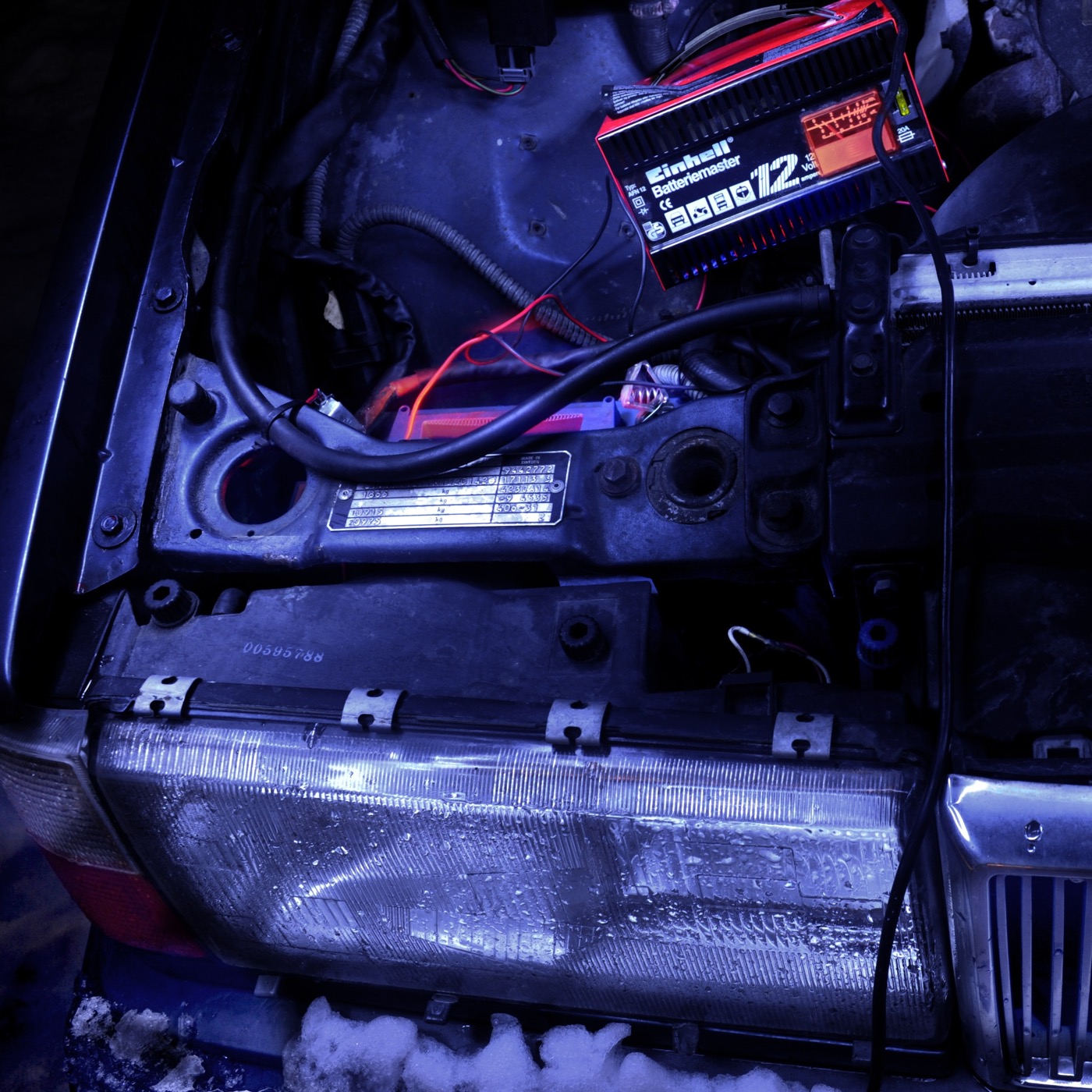
A charge maintainer must correspond to the voltage and technology of the battery. Photo: Tatu Kosonen, CC BY-SA 4.0, via Wikimedia Commons.
A regulated charge maintainer is generally the most practical solution when the manufacturer permits it. The manufacturerCTEK recommends an intelligent charger with maintenance function for seasonal vehicles. But the device must be suited to the voltage and chemistry of the battery: open lead, AGM, gel or lithium do not necessarily accept the same programme.
Before any connection:
- consult the vehicle manual and the charger manual;
- check the condition of cables, terminals and mains plug;
- ensure the ventilation required for the battery;
- keep away any flame or spark;
- do not use an old unregulated charger as a permanent maintainer;
- periodically check the installation rather than leaving it unattended for months.
Disconnecting the battery can disable an alarm or cause loss of settings, codes and electronic learnings. On some modern classic cars, a particular procedure is necessary. If the battery is removed, store it vertically in a suitable place and follow the manufacturer’s instructions.
Fuel: should you fill up or empty the tank?
For standard winter storage, the FFVE recommends a full tank of fresh fuel to limit condensation in the tank, with a stabiliser when storage is long. The product must be compatible with the fuel, circuit materials and manufacturer’s instructions, then dosed according to its label.
However, this rule should not become automatic for all classics. An old tank, an already contaminated circuit, a racing car, special fuel or immobilisation of several years may justify draining and professional preservation. A full tank also increases the amount of fuel present in the building.
The reasonable method is therefore:
- determine the expected duration of storage;
- check the condition of the fuel tank and hoses;
- consult the manual or a specialist for the model;
- use fresh fuel;
- record on a sheet the date, type of fuel and any additives added.
Do not mix several additives and do not attempt to drain a circuit if you cannot safely recover and dispose of the fuel.
Tyres: how to avoid flat spots?
A tyre kept under load in the same spot can deform.Continental explains that flat-spotting can become more pronounced after a month or more of immobilisation, especially with insufficient pressure or high temperature. The manufacturer recommends correct pressure and indicates that a limited increase of 0,2 bar can reduce the risk, without ever exceeding the maximum allowed pressure.
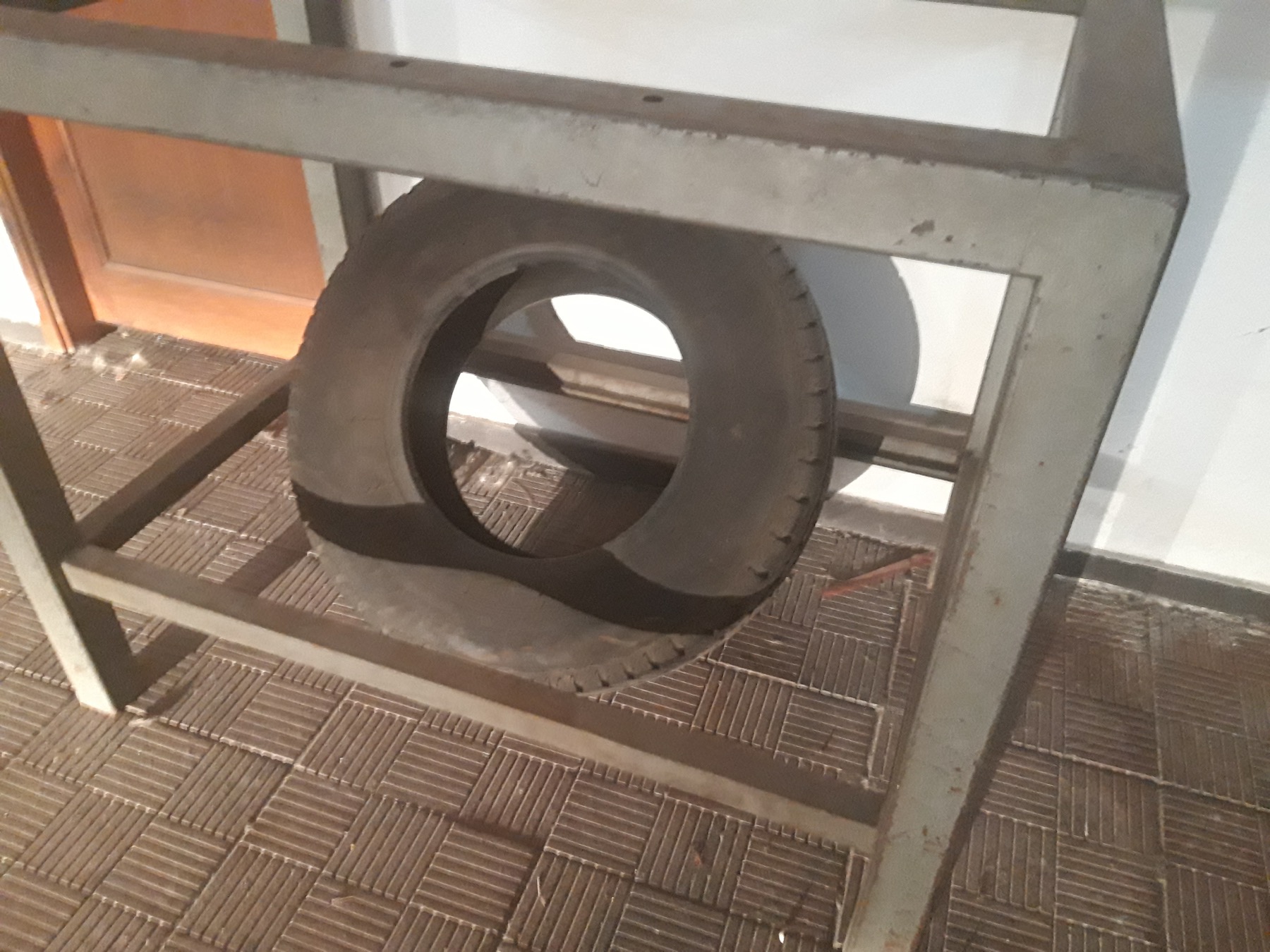
Tyres must remain clean, dry and away from hydrocarbons and ozone sources. Photo: Elduendesuarez, CC BY-SA 4.0 licence, via Wikimedia Commons.
Before storage, check cold pressure, cracks, deformations, cuts and the manufacturing date. Remove heavy loads from the boot. Curved tyre supports can distribute the load. For truly long-term immobilisation,Michelin recommends relieving the tyres of the vehicle’s weight, by properly raising the car or removing the wheels.
Using axle stands is not trivial. Use only the designated support points, on a flat and sturdy surface, with appropriately sized equipment. Some suspensions, old shells or wooden structures require specific precautions. Never leave a car on a hydraulic jack and seek professional advice if the lifting points are uncertain.
If the car remains on its wheels, check the pressure during storage and move it slightly when it can be done safely. Before driving, always return to the manufacturer’s recommended operating pressure.
Fluids, brakes and mechanical components
Before immobilisation, look for leaks and check the maintenance schedule. Check the engine oil, coolant and antifreeze protection, brake fluid, transmission and power steering if present. An upcoming service may justify intervention before storage, but it is not advisable to replace or drain all fluids without knowing the car’s specifications.
On a level surface, the FFVE advises not to leave the handbrake engaged for a long period to limit the risk of sticking, and to use wheel chocks. This practice must remain compatible with the manual, the gearbox and the safety of the location. The chocks must be stable and placed to prevent any movement in both directions.
Photograph any leaks and place, without contact with the hot exhaust, a clear support under the engine and transmission to spot new traces. It is used for monitoring, not to conceal a leak or replace a repair.
Should the car be started every month?
Periodic starting is only useful if it follows a proper procedure. Running the engine for five or ten minutes at idle may not bring the oil, exhaust and transmission to their normal temperature. This can leave condensation and does not exercise the brakes or bearings like a real outing.
Two strategies are preferable:
- leave the car properly prepared and do not start it until it is put back into service;
- take, in dry weather and without salt, a sufficiently long drive to bring the entire vehicle up to its normal temperature, if insurance, regulations and the condition of the car allow it.
The right choice depends on the engine, the duration and the recommendations of the manufacturer or specialist. Never start a car in a closed garage: exhaust gases, especially carbon monoxide, can be deadly.
Protecting the car from rodents
Inspect access points to the premises and avoid storing food there. Check the engine compartment, the boot, air intakes and the area around the exhaust. Removable mechanical protections can be used, but each sealing must have a very visible label on the steering wheel or key to be removed before starting.
Avoid products likely to stain materials, poison animals or create a risk for occupants. For a real infestation, treat the building with a professional rather than dispersing products inside the car.
Storage checklist according to duration
| Intended duration | Recommended level of preparation |
|---|---|
| A few weeks | Cleaning and drying, pressure and battery check, inspection of the premises |
| One to three months | Add charge maintenance or disconnection strategy, fluid checks, breathable cover and secure chocking |
| One season | Treat fuel and tyres according to the model, monitor humidity, pests, pressure and leaks |
| More than one year | Have a protocol established by a specialist: fuel, cylinders, cooling, brakes, tyres, seals and restart |
These durations serve to organise vigilance, not to replace the manufacturer’s instructions. A pre-war car with wooden structure, a sports car with dry sump and a very electronic youngtimer are not stored in the same way.
How to restart a classic car?
After several months, do not turn the key immediately. Proceed in this order:
- remove the cover, all seals, chocks and charge maintenance;
- look for a nest, chewed cables, a leak or signs of corrosion;
- check levels, hoses, belts and battery;
- inspect the tyres and restore their usual pressure;
- check that the brake pedal offers normal resistance;
- apply the starting procedure specific to the model, especially after a very long period of inactivity;
- observe the indicators, the oil pressure if displayed, any noises, smoke and leaks;
- undertake an initial cautious journey, with gradual braking, then check the car again.
A car that has been stationary for several years must be examined by a professional before any attempt to start it. Degraded fuel, seized brake circuits or aged belts are not always visible to the naked eye.
To establish a reference condition before or after winter storage, consult our guide:how to inspect a classic car. New owners can also avoid several bad habits thanks to our article onmistakes to avoid when starting out with classic cars.
Frequently Asked Questions
Can a classic car be stored in an unheated garage?
Yes, provided the space remains dry, ventilated, free from leaks and humidity is monitored. A low temperature alone is not the main danger; condensation and high humidity are more likely to promote corrosion.
Should the windows be left slightly open?
It depends on security and the environment. In a clean, dry space protected from pests, very slight ventilation may be considered. In a dusty garage or one accessible to rodents, it can create a new risk. Do not rely on open windows to correct a damp environment.
Should the tyres be overinflated?
A slight increase can limit flat spots: Continental recommends +0,2 bar for prolonged storage. Never exceed the maximum permitted pressure and restore the manufacturer’s recommended pressure before driving. For long-term storage, tyre relief supports may be preferable.
Does a plastic cover offer better protection?
No, when placed directly on the car. A waterproof material can trap moisture, rub the paintwork and encourage condensation. In a garage, use a breathable indoor cover on a perfectly clean and dry bodywork.
Can a charger be left connected all winter?
Only if it is a regulated maintenance charger compatible with the battery and approved by both the vehicle and device manufacturers. The electrical installation must be sound and subject to periodic inspections.
How much does specialised storage cost?
Prices vary greatly depending on the region, security level, climate control, insurance, surveillance and start-up services. Compare the contract, liabilities and reports provided rather than just the monthly fee.
Key Points
A well-stored classic car is one that is prepared, documented and regularly checked. Priorities are a dry, ventilated space, clean bodywork, maintained battery, tyres protected from prolonged load and a methodical restart.
Caution also means accepting differences between models. For fuel, lifting points, fluids or electronics, the manual and a specialist are better than a universal rule found online.
Sources
- FFVE — As winter approaches, how to properly store your vehicle?, 6 October 2025.
- Canadian Conservation Institute — Vehicle Care, accessed on 23 August 2026.
- Michelin — Tyre Storage: How to Store Your Tyres, accessed on 23 August 2026.
- Continental — Flat-spotting: Prolonged Parking and Storage, accessed on 23 August 2026.
- CTEK — Battery Maintenance During Winter Storage, accessed on 23 August 2026.
- FIVA — Guide for Responsible Use of Historic Vehicles, section “Storage”.
Photographic Credits
- Featured image: Vintage car garage (Unsplash), Logan Meis, licence CC0 1.0, resized without other modification.
- Battery charger: Car Battery Charger, Tatu Kosonen, licence CC BY-SA 4.0, resized without other modification.
- Tyre in a garage: Llanta, wheel in a garage, Elduendesuarez, licence CC BY-SA 4.0, resized without other modification.