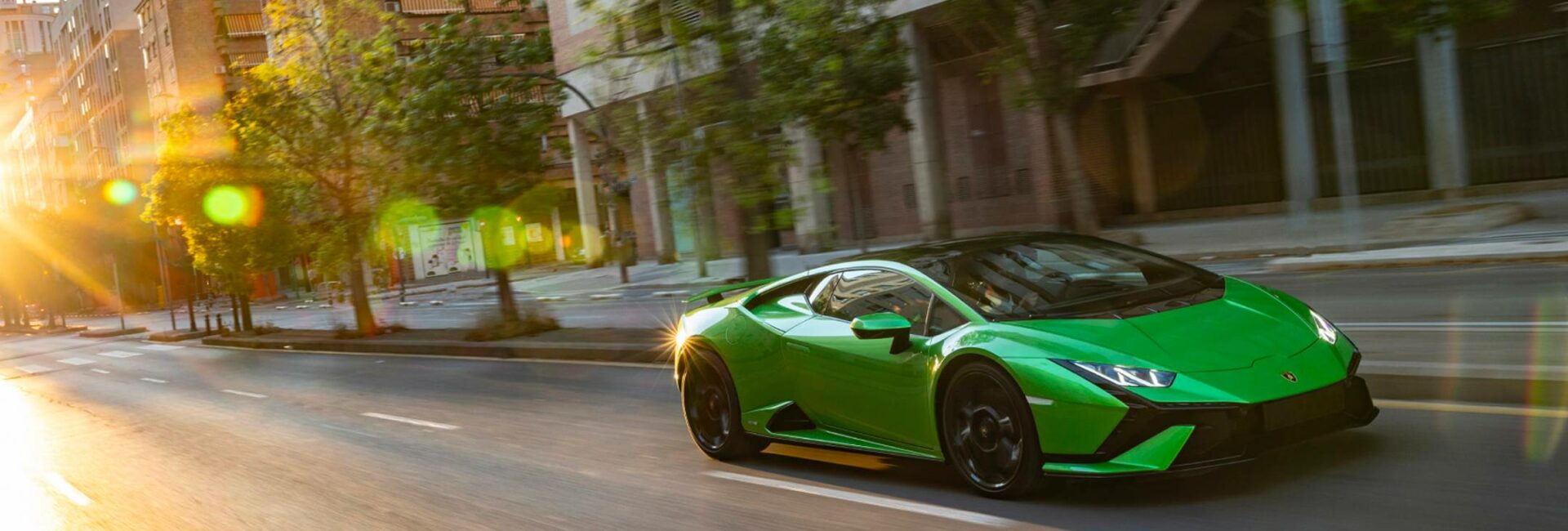
In brief:the best sports cars 2025 are the Porsche 911 GT3 (992.2), the Ferrari 296 GTB and the Chevrolet Corvette Z06, ahead of the McLaren 750S and the Lamborghini Huracán Tecnica. Ten sports cars, from naturally aspirated six-cylinder engines to plug-in hybrids.
The year 2025 marks a decisive turning point in the world of sports cars. Between the rise of electrification and the fierce resistance of the internal combustion engine, manufacturers are competing with ingenuity to offer ever more visceral machines. This year crystallises a fascinating tension: on one side, the guardians of tradition defend the raw emotion of the V8 or the naturally aspirated flat-six; on the other, a new generation of hybrids proves that performance and ecological awareness are not incompatible.
Between Italian supercars capable of brushing 350 km/h, accessible sports cars that democratise driving pleasure, and plug-in hybrids that reconcile power and technical innovation, the offering has never been richer. This ranking is not limited to raw figures: it celebrates the balance between objective performance, driving emotion, and that indefinable alchemy that makes a sports car an object of desire. Here is our selection of the ten best sports cars 2025, those that will write the automotive history of this pivotal decade.
1. Porsche 911 GT3 (992.2): German Orthodoxy at Its Peak
The Porsche 911 GT3 remains the gold standard of purist sports cars. Its naturally aspirated flat-six of 4,0 litres develops 510 horsepower according to the official Porsche.com website, power delivered at 8 500 rpm rewarding those who dare to flirt with the redline. The 0 to 100 km/h sprint is completed in 3,4 seconds, while the top speed reaches 193 mph (approximately 311 km/h).
To delve deeper into this subject, consult our article dedicated to luxury car 4×4: our ranking 2025.
What sets the GT3 apart from its competitors? A holistic approach to performance. The swan-neck rear wing generates considerable aerodynamic downforce without compromising efficiency, thanks to a design borrowed directly from the GT3 Cup. The front double wishbone suspension, inherited from racing, provides surgical precision in corner sequences.
Behind the wheel, the GT3 demands constant dialogue. The steering transmits every road imperfection with disarming fidelity. The engine roars behind you with a metallic sound unique to it, climbing up to 9 000 rpm according to manufacturer data. It is a car that demands your full attention and rewards you with a rare man-machine communion in 2025. The contained weight of 1 420 kg testifies to meticulous work on every gram. Starting from 158 200 £ (approximately 222 500 $ according to the Porsche Club of America), it represents the pinnacle of the analogue sporting experience.
2. Ferrari 296 GTB: Maranello’s Hybrid Revolution
Ferrari reaches a symbolic milestone with the 296 GTB, the first V6 plug-in hybrid berlinetta in its history. The 6 twin-turbo V2,9 litre engine (or 3,0 litres according to some sources) combined with an electric motor delivers an impressive combined power output. According to Car and Driver, the total power reaches 819 horsepower, while Motor Trend cites a figure of 818 horsepower, and the French Wikipedia mentions 830 horsepower for the initial versions. The combustion engine alone produces 663 horsepower at 8 000 rpm according to Wikipedia, paired with an electric motor of 167 horsepower.
This berlinetta of approximately 1 470 kg accelerates from 0 to 100 km/h in just 2,9 seconds according to EV Central. The technical architecture fascinates: the electric motor is integrated between the V6 and the 8-speed dual-clutch gearbox, allowing up to 25 km of range in pure electric mode according to Ferrari.com. The 7,45 kWh battery offers real versatility of use.
But it is the combined eDrive mode that reveals the genius of this mechanism: the instant electric boost fills the slight turbo lag, creating a stunning linearity of power. The 296 GTB also reinvents the sound pleasure with its “Hot Tube” exhaust system, which amplifies the harmonics of the V6 to recreate the emotional texture of a naturally aspirated V12. The top speed peaks at 330 km/h. Priced from 604 000 Australian dollars according to EV Central (approximately 280 000 € in Europe), it proves that hybridisation can enhance the Ferrari experience rather than dilute it.
3. Chevrolet Corvette Z06: The Ultimate Naturally Aspirated V8
The Corvette Z06 represents the swan song of large naturally aspirated V8 engines. Its LT6 of 5,5 litres, inspired by the endurance engines of the C8.R, develops 670 horsepower at 8 400 rpm, with a torque of 460 lb-ft (approximately 623 Nm) delivered at 6 300 rpm according to Car and Driver. This flat-plane crank engine, hand-assembled at the Performance Build Center in Bowling Green according to Motor Trend, pushes the limits of the American naturally aspirated engine.
The performance is astonishing: the 0 to 100 km/h (0-60 mph) sprint is completed in 2,6 seconds, two tenths faster than a Porsche 911 GT3 according to the same tests. The rev limiter set at 8 600 rpm provides an intoxicating sound reminiscent of the greatest European V8 engines.
The mid-engine architecture of the Z06 gives it formidable dynamic balance. The 15,7-inch carbon-ceramic brakes at the front offer braking power worthy of a hypercar. The Magnetic Ride Control system 4.0 reads the road every millisecond and adapts in 10 to 15 milliseconds. With a base price of 112 100 $ according to Tyrrell Chevrolet (or 127 185 $ in the tested configuration according to Car and Driver), the Z06 offers an unmatched performance-to-price ratio. It proves that Detroit can compete with Stuttgart and Maranello.
4. McLaren 750S: The Surgical Evolution
McLaren refines its formula with the 750S, an evolution of the legendary 720S. The 4,0-litre twin-turbo V8 now develops 750 horsepower and 800 Nm of torque, propelling this British car weighing 1 277 kg from 0 to 100 km/h in 2,8 seconds.The top speed reaches 332 km/h.
What impresses about the 750S is the radical nature of its approach. McLaren has lightened the car by 30 kg while increasing power. The carbon monocoque guarantees exceptional structural rigidity, while the ProActive Chassis Control II hydraulic suspension system provides an almost perfect road-to-track compromise.
The minimalist interior focuses on the essentials: a steering wheel, carbon bucket seats and a clean digital instrument panel. The butterfly doors remain a strong visual signature. On the track, the 750S shows clinical precision, responding instantly to the driver’s inputs. It embodies McLaren’s philosophy: pure performance, without compromise.
5. Lamborghini Huracán Tecnica: The Swan Song of an Icon
The Huracán Tecnica probably represents the ultimate evolution of this lineage before the arrival of its electrified successor. Its naturally aspirated 10 V5,2-litre engine develops640 horsepower at 8 000 rpm, a figure that almost stands as resistance against the downsizing wave.
What makes the Tecnica special is its positioning halfway between the Huracán EVO rear-wheel drive and the radical STO. The aerodynamics have been completely revised with a new front bonnet, a redesigned rear diffuser and the absence of a fixed rear wing, replaced by an integrated active system. The result: 35 % more downforce and 20 % less drag compared to the EVO RWD.
The pure rear-wheel drive provides a playful character that rewards experienced drivers. The LDVI system (Lamborghini Dinamica Veicolo Integrata) anticipates the driver’s intentions by analysing all dynamic parameters in real time. At approximately 240 000 €, the Tecnica celebrates what Lamborghini does best: raw emotion.
6. Porsche 718 Cayman GT4 RS: The Scalpel for Winding Roads
The Cayman GT4 RS pushes the mid-engine coupe concept to its peak. Powered by a version derived from the 4,0-litre flat-six of the 911 GT3, it develops500 horsepower and boasts a power-to-weight ratio of 2,8 kg/hp thanks to a contained weight of 1 415 kg.
What makes the GT4 RS exceptional is its agility. With a shorter wheelbase than the 911 and a lowered centre of gravity due to the central engine position, it offers stunning trajectory precision. The standard PCCB (Porsche Ceramic Composite Brakes), the fixed swan-neck rear wing and the PASM (Porsche Active Suspension Management) chassis make this Cayman the ultimate tool for mountain roads.
The engine can rev up to 9 000 rpm, providing an addictive soundtrack. On the track, the GT4 RS proves more incisive than a 911 GT3, its agility compensating for the slight power deficit. At approximately 166 000 €, it represents the very essence of what a modern sports car should be: light, precise, communicative.
7. Audi R8 V10 Performance: Brutal Elegance
The Audi R8 V10 Performance celebrates the naturally aspirated engine in all its splendour. This 10 V5,2-litre engine shared with the Lamborghini Huracán develops 620 horsepower and 580 Nm of torque. The 0 to 100 km/h sprint is dispatched in 3,1 seconds, while the top speed reaches 331 km/h.
What sets the R8 apart from its Italian rivals is its dual character. With its Quattro all-wheel drive, it proves usable on a daily basis, even in rain or on cold roads. The aluminium and carbon chassis guarantees exemplary rigidity for a weight of 1 595 kg.
The Virtual Cockpit interior illustrates Ingolstadt’s technological philosophy. Everything is digital, configurable, and operates with German precision. The R8 may perhaps lack Italian soul, but it compensates with superior reliability and practicality. It remains the supercar you can use every day without fear. At around 218 000 €, it represents rational luxury applied to high performance.
8. Mercedes-AMG GT Black Series: Refined Brutality
The Mercedes-AMG GT Black Series embodies the quintessence of Affalterbach’s expertise. Its 8-litre biturbo V4,0 pushed to the extreme develops 730 horsepower and 800 Nm of torque. The 0 to 100 km/h sprint is achieved in 3,2 seconds according to Mercedes-Benz, but it is especially the top speed of 325 km/h that impresses.
This Black Series stands out with its aggressive aerodynamics: oversized rear wing with two positions, prominent underbody diffuser, gaping air intakes. The aerodynamic downforce reaches 400 kg at 250 km/h, granting this 1 520 kg GT astonishing stability at high speed.
The interior blends exposed carbon and Alcantara, creating a racing cockpit atmosphere. The carbon bucket seats provide perfect support. On the track, the Black Series delivers astonishing lap times, thanks notably to its electronically limited-slip rear differential and 402 mm ceramic brakes at the front. Limited production, price around 380 000 €: an investment for discerning collectors.
9. Alpine A110 R: French Lightness Sublimated
The Alpine A110 R represents the antithesis of muscular supercars. Weighing 1 082 kg and powered by its 4-cylinder turbo 1,8-litre engine delivering 300 horsepower, it favours agility over raw power. The 0 to 100 km/h sprint in 3,9 seconds and a top speed of 285 km/h are more than sufficient on the road.
What makes the A110 R magical is its philosophy: lighten rather than add. Polycarbonate windows, Sabelt carbon bucket seats, absence of superfluous soundproofing: everything contributes to creating a 300 horsepower car that feels like 400.
The chassis benefits from adjustable Öhlins dampers and specific anti-roll bars. The unassisted steering provides exceptional feedback. On a winding mountain road, the A110 R humiliates cars twice its power with its liveliness and precision. At around 120 000 €, it proves that France still knows how to create exceptional sports cars.
10. Lotus Emira V6: The Renewal of Hethel
The Lotus Emira marks a turning point for the British marque. The ultimate combustion sports car before Lotus’s 100 % electric shift, it is powered by the Toyota supercharged V6 3,5-litre engine developing 400 horsepower. The 0 to 100 km/h in 4,3 seconds and the 290 km/h top speed reflect elevated performance.
What appeals about the Emira is its balance. Lotus has finally created a car usable daily without betraying its DNA of lightness and handling. The contained weight of 1 405 kg, perfect driving position and excellent visibility make it a true modern Lotus.
The interior has taken a major qualitative leap: refined finishes, central screen, leather upholstery. Gone is the Spartan austerity of the Elise and Exige. On the road, the Emira is playful yet accessible. The ultra-communicative hydraulic steering recalls that Hethel has not forgotten its expertise. Starting at around 82 000 €, it represents one of the best deals in the segment.
Comparison Table: The 10 Best Sports Cars 2025
| Model | Power | 0-100 km/h | Top Speed | Weight | Indicative Price | Engine |
| Porsche 911 GT3 (992.2) | 510 hp | 3,4 s | 311 mph | 1 420 kg | 222 500 $ | Flat-6 4,0L naturally aspirated |
| Ferrari 296 GTB | 830 hp | 2,9 s | 330 mph | 1 470 kg | 280 000 € | V6 3,0L biturbo + electric |
| Chevrolet Corvette Z06 | 670 hp | 2,6 s | ~320 mph | ~1 560 kg | 112 100 $ | V8 5,5L naturally aspirated |
| McLaren 750S | 750 hp | 2,8 s | 332 km/h | 1 277 kg | ~280 000 € | V8 4,0L biturbo |
| Lamborghini Huracán Tecnica | 640 hp | 3,2 s | 325 km/h | 1 379 kg | 240 000 € | V10 5,2L naturally aspirated |
| Porsche 718 Cayman GT4 RS | 500 hp | 3,4 s | 315 km/h | 1 415 kg | 166 000 € | Flat-6 4,0L naturally aspirated |
| Audi R8 V10 Performance | 620 hp | 3,1 s | 331 km/h | 1 595 kg | 218 000 € | V10 5,2L naturally aspirated |
| Mercedes-AMG GT Black Series | 730 hp | 3,2 s | 325 km/h | 1 520 kg | 380 000 € | V8 4,0L biturbo |
| Alpine A110 R | 300 hp | 3,9 s | 285 km/h | 1 082 kg | 120 000 € | 4-cyl 1,8L turbo |
| Lotus Emira V6 | 400 hp | 4,3 s | 290 km/h | 1 405 kg | 82 000 € | V6 3,5L supercharged |
Prices are indicative and vary depending on markets and options.
Conclusion: A Pivotal Year for the Sports Car
The year 2025 will go down in history as one of contrasts: on one side, naturally aspirated V8 and V10 engines pushed to their limits; on the other, hybridisation proving it can enhance the sporting experience. The Porsche 911 GT3 embodies the perfection of purism, while the Ferrari 296 GTB brilliantly paves the hybrid path. The Corvette Z06 demonstrates that America now masters the codes of the European supercar.
These ten cars share a common denominator: they prioritise emotion and driving pleasure over a frantic horsepower race. They remind us that the best sports car 2025 is not necessarily the most powerful, but the one that establishes the most intense dialogue with its driver. Whether it weighs 1 082 kg like the Alpine or develops 830 horsepower like the Ferrari, the essence lies in that subtle alchemy between chassis, engine, and sensations.
2025 celebrates pure mechanics one last time before the impending electric revolution. Each of these sports cars deserves to be driven, felt, loved. For in a few years, these witnesses of a bygone era will be collected as the last representatives of a golden age.
At Plethore, we celebrate automotive passion in all its forms. Explore our other features on design icons, the history of great brands, and tests of models that have marked their era. Join our community of discerning enthusiasts.
And you, what is your favourite sports car of 2025? Share your opinion in the comments!
image source: https://www.lamborghini.com/en-en/models/huracan/huracan-tecnica#val-ht