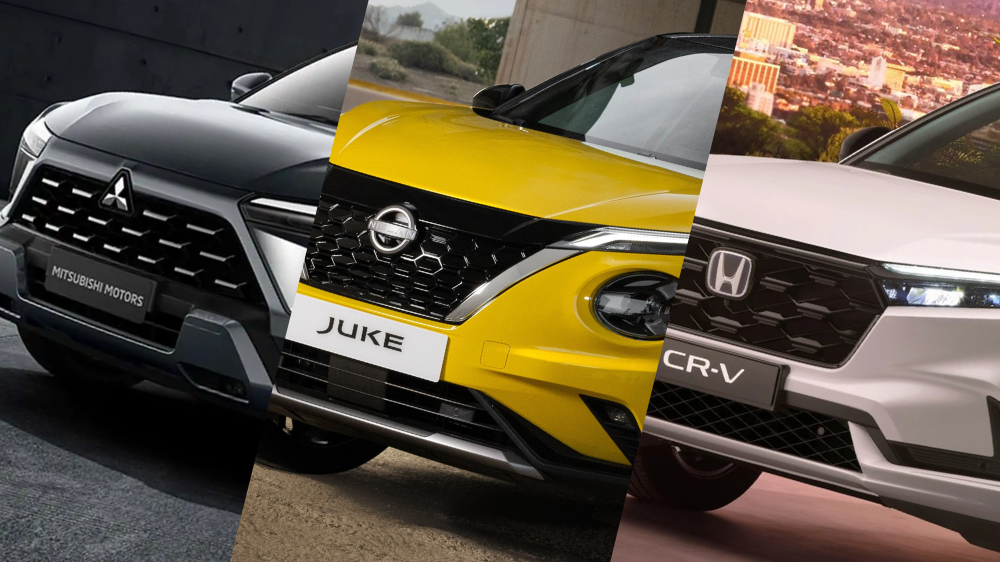
The automotive industry is in constant transformation, marked by technological changes and major environmental challenges. In this context, strategic collaborations between manufacturers are increasing. The alliance between Honda, Nissan, and Mitsubishi represents a new step in the pursuit of innovation and sustainability, while strengthening the competitiveness of the brands on the global market.
An alliance to respond to the challenges of tomorrow
1. Objectives of the alliance
The Honda-Nissan-Mitsubishi alliance aims to:
- Share the technologies: Reduction of development costs for electric vehicles (EVs), autonomous driving systems, and hybrid technologies.
- Improve competitiveness: Face off against giants like Toyota or Tesla by combining the strengths of the three companies.
- Reduce production costs: Mutualization of platforms, engines, and supply chains to increase efficiency.
2. Context of the collaboration
Historically, Nissan and Mitsubishi were already part of an alliance with Renault. Honda’s entry marks a new dynamic, responding to the need to strengthen investments in cutting-edge technologies, particularly for electrification and alternative energy. On the French side, the same technological battle is being fought in the urban car market:the new Renault Clio VI.
The pillars of the alliance
1. Electrification of the ranges
- Honda: Known for its hybrid models such as the Honda Insight, the brand plans to launch several electric models in the coming years.
- Nissan: A pioneer with the Leaf, she continues to invest massively in high-range batteries.
- Mitsubishi: Leading in rechargeable hybrids with the Outlander PHEV, it brings its expertise in electric SUVs.
Common objective:Develop modular platforms to reduce the cost of electric vehicles and accelerate their adoption on the global market.
2. Autonomous driving technologies
The alliance is working on advanced autonomous driving systems, integrating:
- TheProPilot technologyfrom Nissan.
- Honda’s advanced assistance systems.
- Mitsubishi’s expertise in embedded software.
3. Platform and component sharing
- Development of common platforms for SUV, sedans and city car segments.
- Centralization of production chains in Asia and Europe to optimize capacities.
The strategic advantages of the alliance
- Cost reduction: Sharing resources reduces the expenses related to development and manufacturing.
- Acceleration of innovation: By combining their expertise, the three brands can launch new products more quickly.
- Global positioning: The alliance covers key markets, including Asia, Europe, and North America.
The challenges of the alliance
Despite the advantages, this collaboration raises important challenges:
- Internal competition: The risk of cannibalization of sales between brands if the models are not clearly differentiated.
- Harmonization of corporate cultures: The differences in strategy and management between Honda, Nissan, and Mitsubishi can slow down decision-making.
- Environmental pressure: Regulations on emissions impose an accelerated pace for electrification, which requires massive investments.
Impact on the market and future prospects
The Honda-Nissan-Mitsubishi alliance could redefine the automotive landscape. With a strategy centered on electrification, autonomous technologies, and a global presence, this collaboration could compete with leaders like Toyota and Volkswagen. These manufacturers have also produced models that have become collectible:five Japanese icons to buy with method.
Perspectives:
- 2025 :Launch of several co-developed electric models.
- 2030 :Goal of carbon neutrality for the three brands.
- Long term:Become an essential player in the new mobilities, including hydrogen and shared transport solutions.
The alliance between Honda, Nissan, and Mitsubishi is a major turning point in the automotive industry. By combining their strengths, these three manufacturers aim to address the environmental, technological, and economic challenges of tomorrow. While the challenges are numerous, their complementarity and ambition could make them one of the most fruitful collaborations in the automotive sector.