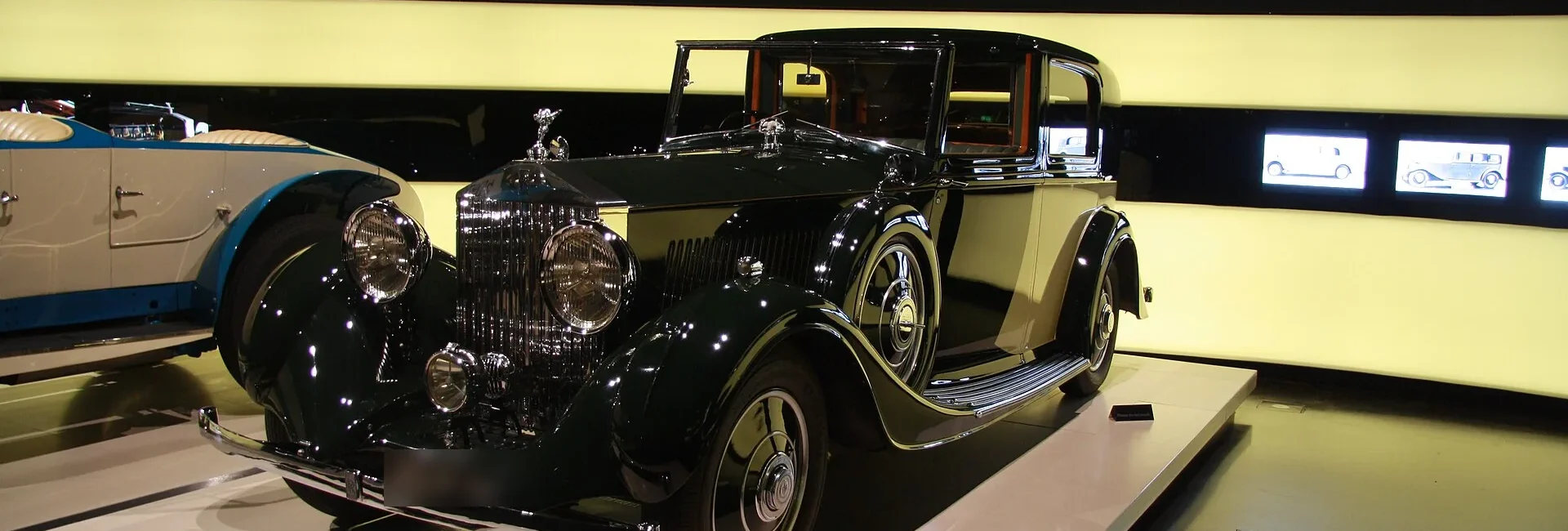
The Rolls-Royce 20/25 is the most widely produced pre-war Rolls-Royce and one of the most accessible entry points to a car built on a chassis and then bodied by a coachbuilder.Produced from 1929 to 1936, it combines a six-cylinder engine of 3 669 cm³, a four-speed manual gearbox, and a wide variety of body styles. Its purchase price may seem reasonable today; however, the condition of the wooden structure, the authenticity of the bodywork, and the quality of maintenance determine the actual cost far more than the price alone.
A good purchase therefore begins with three checks: precisely identifying the chassis and its coachbuilder, examining the frame and openings with a specialist, then checking the mechanical operation when warm. A sound, complete, and documented 20/25 is a great touring car. A tired car can become a restoration disproportionate to its market value.
Rolls-Royce 20/25: the essential facts
| Item | Key data |
|---|---|
| Production period | 1929 to 1936 |
| Layout | Separate chassis, front engine, rear-wheel drive |
| Engine | Inline six-cylinder with overhead valves, 3 669 cm³ |
| Gearbox | Four-speed manual; synchromesh introduced during production |
| Bodywork | Commissioned from independent coachbuilders |
| Published production | Approximately 3 800 cars; 3 792 or 3 827 depending on sources and counting conventions |
| Successor | Rolls-Royce 25/30 |
Why Rolls-Royce created the 20/25
The 20/25 is a direct descendant of the Rolls-Royce 20 H.P., nicknamed the “Twenty.” Rolls-Royce recalls that this model, launched in 1922, was designed to be driven by its owner, not exclusively by a chauffeur. Like other Rolls-Royces of the period, the manufacturer delivered a rolling chassis which the customer had bodied to their taste.
This freedom had a downside: some closed bodies became heavy. To preserve driving pleasure, Rolls-Royce replaced the Twenty in 1929 with the 20/25, whose engine was increased to 3 669 cm³. The documentation from the 20 H.P. register specifies a bore of 3¼ inches and a stroke of 4½ inches. The model retains the “small horsepower” philosophy: a Rolls-Royce more compact than contemporary Phantoms, but built with the same standards of silence and finish.
The 20/25 evolved during its production. Synchromesh on the gearbox appeared in 1932 on the upper gears according to the register’s technical documentation. The radiator shutters also became thermostatic. In 1936, the 25/30 succeeded it with an increased displacement of 4 257 cm³.
How many Rolls-Royce 20/25 were produced?
The most frequently cited figure is 3 827 units. This number appears notably in summaries by Classic & Sports Car and British Classic Cars. However, a historic edition of the manual dedicated to Rolls-Royce models from 1925 to 1939 gives 3 792 chassis. The discrepancy is small enough not to alter the model’s place in the brand’s history, but it is worth noting.
The difference may arise from the scope considered, whether chassis were completed, delivered, or counted by series. In practice, it is more accurate to speak of approximately 3 800 cars and to retain the source associated with the figure used. In either case, the 20/25 is generally presented as the most produced pre-war Rolls-Royce.
The same engine, very different cars
The bodywork is central to the identity and value of a 20/25. Park Ward, Hooper, Barker, H. J. Mulliner, Thrupp & Maberly, Freestone & Webb, and Gurney Nutting notably worked on this chassis. You will find saloons, limousines, coupés, town sedancas, dropheads, and open bodies. Two cars from the same year can therefore have very different silhouettes, weights, and uses.
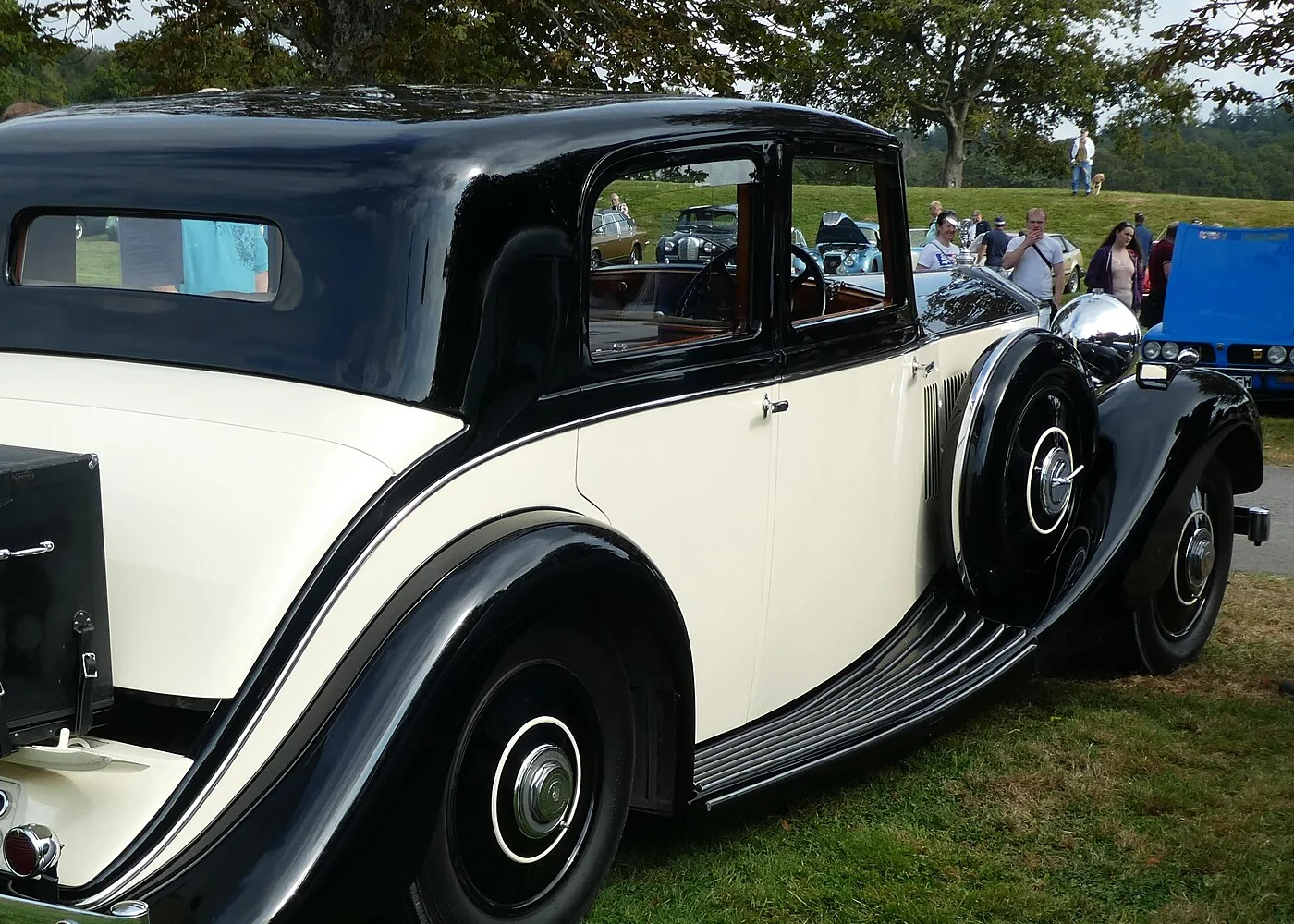
The prestigious name of a coachbuilder alone is not enough to set the price. The quality of the design, authenticity, condition of the structure, conformity of modifications, and desirability of the bodywork matter more. Open bodies are often more sought after, but a very sound closed saloon can be a better purchase than a convertible rebuilt without clear documentation.
How to verify the authenticity of a 20/25
Start by noting the chassis number and body references. Request previous registration documents, invoices, photographs, correspondence, and ownership histories. Technical archives and club registers can help match the chassis to its delivery configuration.
A replaced or modified body is not necessarily a deal-breaker, provided it is honestly described and the price reflects this. However, a car presented as a rare original convertible without documentary proof requires an independent appraisal. You should also check the numbers, coachbuilder plates, and chronological consistency of documents, without relying on a simple badge.
Price and valuation of a Rolls-Royce 20/25 in 2026
The valuation varies greatly because each body is different. British Classic Cars indicates, on 183 public sales specifically attributed to the 20/25, a historic median price of 29 250 £ and a central range of approximately 20 568 to 42 238 £. The same source gives for 2025 a median of 20 615 £ on 40 sales of the 20 H.P./20/25/25/30 family, then a provisional level of 17 496 £ in 2026. These British data are auction results, not an official French valuation.
On 20 November 2026, Plethore Cars also presents a Rolls-Royce 20/25 from 1934 for sale at the listed price of 28 000 €. This asking price should not be directly compared to a median auction price without examining the bodywork, condition, sales fees, and recent work.
The main value factors are the authenticity of the chassis-body pairing, structural quality, rarity and elegance of the bodywork, left- or right-hand drive according to the market, historical documentation, and the amount of work already carried out. For an owner, a classic car valuation must be based on the specific vehicle, not a generic average.
Points to check before purchase
1. The body frame and openings
Many bodies from the period use an ash wood frame covered with metal panels. Check the alignment of the doors, their sagging when opened, creaks, uneven gaps, and signs of repair. A glossy paint finish does not guarantee a sound structure. Restoring a frame requires rare skills and can exceed the value of an average saloon.
2. The chassis and lubrication
Inspect the chassis, body mountings, lifting points, and signs of impact or corrosion. Regular greasing is essential on a car of this generation. Lack of maintenance history, dry joints, or significant play should lead to estimating the cost of refurbishment before purchase.
3. The engine cold then hot
The six-cylinder should start properly, maintain stable oil pressure, and hold its temperature. Period technical documentation indicates a normal temperature of 70 to 90 °C and describes manual advance and mixture controls that require skilled driving. Smoke, bottom-end noises, unstable pressure, overheating, or significant leaks require the opinion of a specialist.
4. The gearbox, clutch and braking
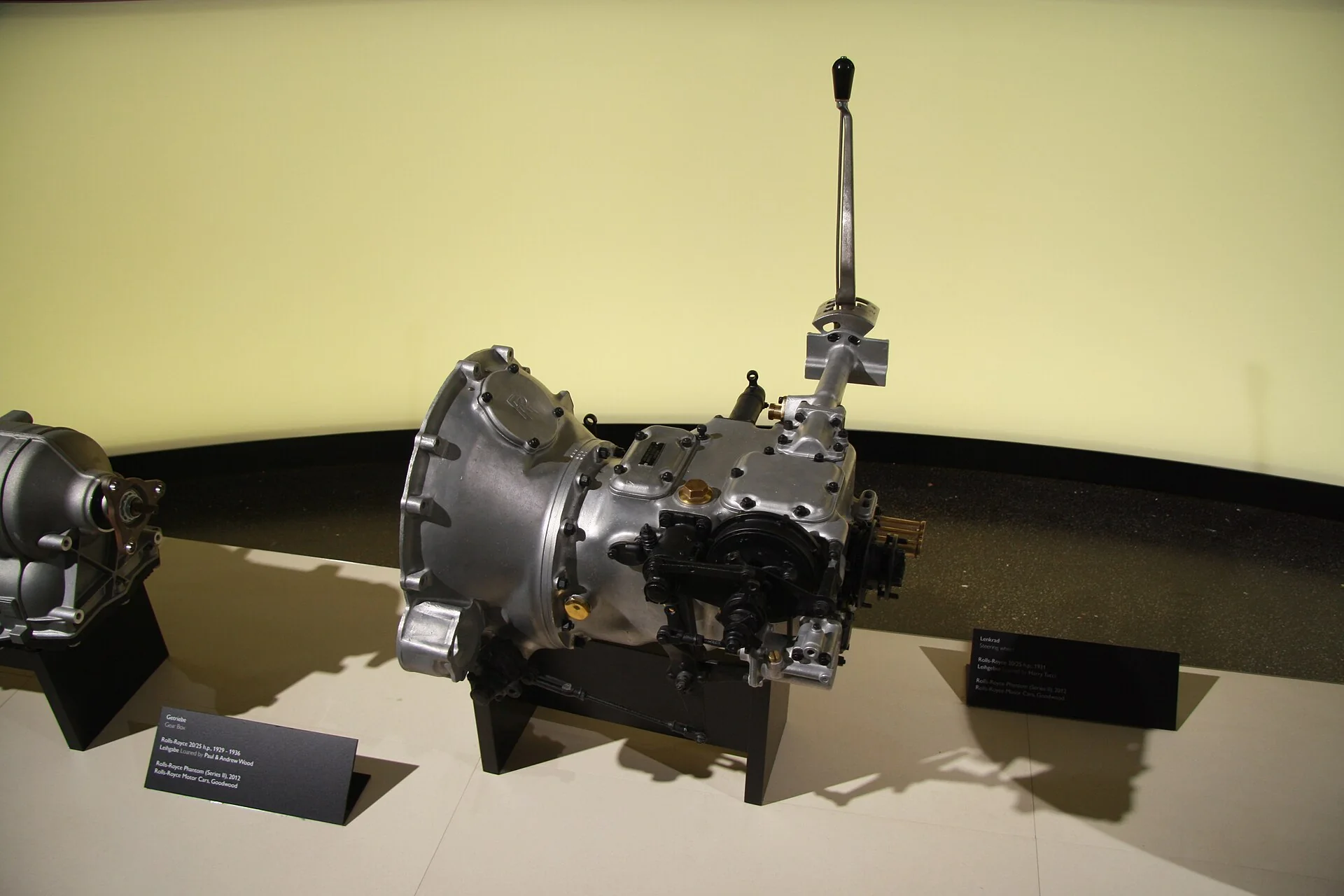
The four-speed gearbox is not operated like a modern transmission. Depending on the year, synchronisation may be absent or partial; double declutching remains useful. Check the clutch, transmission noises, and gear selection on the road. The servo-assisted mechanical braking should be examined by a professional familiar with these systems, as an unusual feel should never be attributed solely to the car’s age without diagnosis.
5. Modifications and electrics
Spot electrical circuit modifications, modern accessories, fuel conversions, and non-compliant parts. A well-documented upgrade can facilitate use, but makeshift installations complicate diagnosis and reduce historical interest. Operate the lighting, instruments, starter, charging system, and all installed accessories.
What budget to plan after purchase?
The car’s price is only the first line of the budget. Plan for a specialist inspection, a full service if the history is incomplete, fluids, suitable tyres, hoses, braking, ignition, and cooling. Parts and documentation exist thanks to clubs and specialists, but bodywork, cabinetmaking, and vintage mechanical labour can be lengthy.
A rational purchase therefore consists of paying more for a running, documented, and already reliable car. A 20/25 regularly used is often preferable to one immobilised for years, even if its displayed mileage seems attractive.
Is the Rolls-Royce 20/25 right for you?
Yes, if you are looking for a pre-war Rolls-Royce to drive peacefully, if you accept an engine that requires attention, and if you have a competent specialist. No, if you want modern performance, predictable maintenance, or a low-cost restoration project.
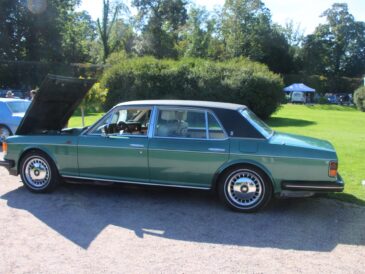
To compare with a more recent generation, the guide Rolls-Royce Silver Spirit and Silver Spur shows how much the brand’s philosophy has evolved. The selection of classic cars for sale also allows placing the 20/25 alongside other available models.
Frequently asked questions
What is the engine capacity of the Rolls-Royce 20/25?
Its inline six-cylinder engine has a capacity of 3 669 cm³. It replaces the 3,1 litre engine of the Twenty and precedes the 4 257 cm³ of the 25/30.
How many Rolls-Royce 20/25 were manufactured?
Sources report 3 792 or 3 827 cars depending on their counting method. The most cautious phrasing is therefore “approximately 3 800 units.”
What is the price of a Rolls-Royce 20/25?
The observed British results cover a very wide range. The bodywork, condition and history matter more than an average. Any comparison must distinguish between asking price and final sale price.
Can you drive a 20/25 regularly?
Yes, if it is properly maintained and driven according to the practices of its era. An inspection of the cooling system, brakes, lubrication and tyres is essential before undertaking sustained journeys.
What is the most costly weakness?
A structurally fatigued bodywork can lead to very extensive cabinetmaking and bodywork repairs. Examination of the frame and openings should precede cosmetic analysis.
Method and sources
Article verified on 20 November 2026 based on Rolls-Royce historical documentation, the technical manual distributed by the 20 H.P. register, public auction data and the Plethore Cars offering. Market data are dated and do not constitute individual expertise nor a price guarantee.
- Rolls-Royce Motor Cars PressClub — history of the Twenty and transition to the 20/25
- Rolls-Royce Enthusiasts’ Club 20 H.P. Register — 1925-1939 manual
- British Classic Cars — history, production and guide to the 20/25 family
- British Classic Cars — sales results and valuation methodology
- Wikimedia Commons — source pages and photograph licences